18 hours agoSocial
29LENS
2 SourcesNorth Sentinel Island, India
 thebalanced.news
North Sentinel Island: Legal Protections and Risks Surrounding Isolated Sentinelese Tribe
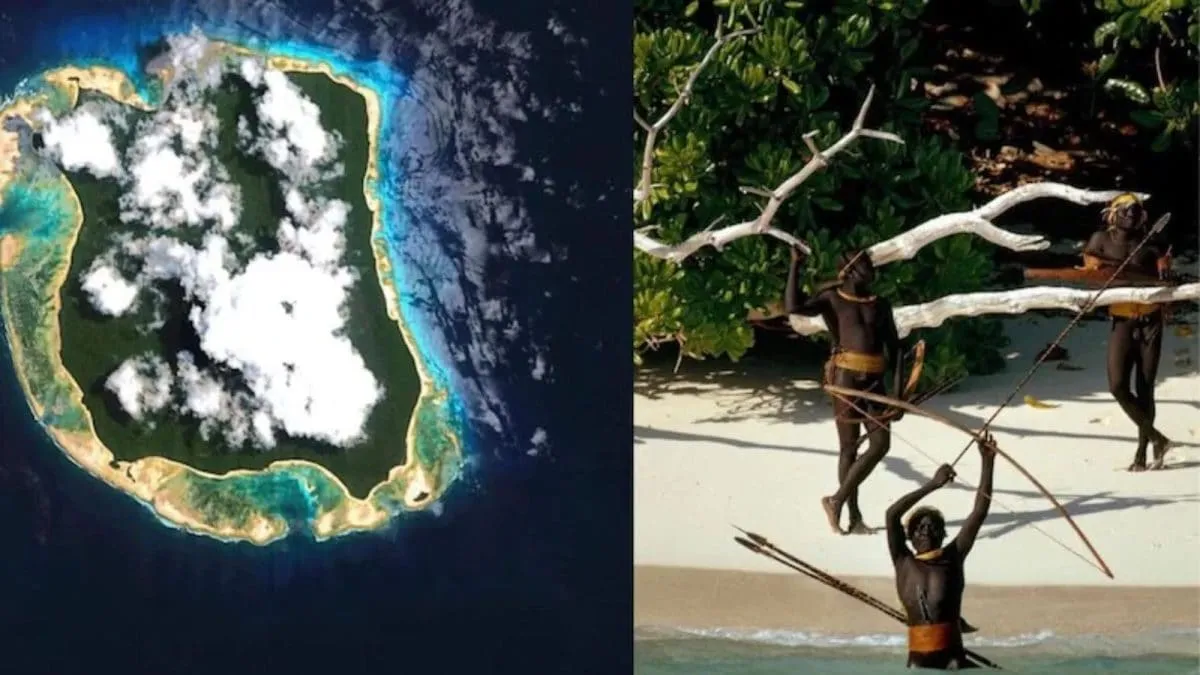
North Sentinel Island, part of India’s Andaman and Nicobar chain, is home to the Sentinelese, one of the world’s last uncontacted tribes living in isolation for thousands of years. Indian law prohibits visits to the island to protect the tribe’s survival, as they lack immunity to common diseases. The Sentinelese have consistently resisted contact, sometimes using force to warn off outsiders. The 2018 death of an American who tried to reach the island highlights the risks and legal restrictions in place.
Political Bias
0%100%0%
Sentiment
50%
AI Analysis
Political bias across 2 sources
● Left 0%● Center 100%● Right 0%
The articles present a largely neutral perspective focused on legal and safety aspects of North Sentinel Island. They emphasize government regulations protecting the tribe and the tribe’s own resistance to contact, without political framing. The coverage includes official policies and incidents involving outsiders, reflecting a consensus on the importance of preserving the tribe’s isolation.
Sentiment — Neutral (50/100)
The tone across the articles is cautious and factual, highlighting the dangers of contact for both the Sentinelese and outsiders. While the narrative includes tragic events, such as the 2018 death, it avoids sensationalism, focusing instead on the rationale behind protective laws and the tribe’s desire for isolation. Overall, the sentiment is serious and respectful.
How 2 sources covered this story
Each source's own headline, political lean, and sentiment — so you can see framing differences at a glance.
| Source | Their headline | Bias | Sentiment |
|---|---|---|---|
| news18 | Why is it illegal to visit North Sentinel Island in India? All about the world's most isolated tribe | Center | Neutral |
| indiatoday | North Sentinel Island: India's forbidden land where contact might mean death | Center | Neutral |
Coverage timeline
indiatoday broke this story on 17 Apr, 09:50 am. Other outlets followed.
- 1indiatoday17 Apr, 09:50 amNorth Sentinel Island: India's forbidden land where contact might mean death
- 2news1817 Apr, 12:59 pmWhy is it illegal to visit North Sentinel Island in India? All about the world's most isolated tribe
Lens Score breakdown
29/100
Public interest0/100
Coverage gap100%
Well-covered story — coverage matches public importance.
Who's involved
Institutions and figures named across source coverage.
Government
Andaman and Nicobar Islands Administration
Story context
- Category
- Social
- Location
- North Sentinel Island, India
- Sources analysed
- 2
- Last analysed
- 17 Apr 2026
- Key entities
- SentineleseNorth Sentinel IslandUncontacted peoplesTribeIndiaAndaman and Nicobar IslandsInfluenzaInfectionAndaman IslandsAboriginal AustraliansJohn Allen Chau
Related Coverage
Select a news story to see related coverage from other media outlets.