1 hour agoSocial
30LENS
2 SourcesDelhi, India
 thebalanced.news
Challenges and Efforts in Promoting Cycling Culture in Indian Cities
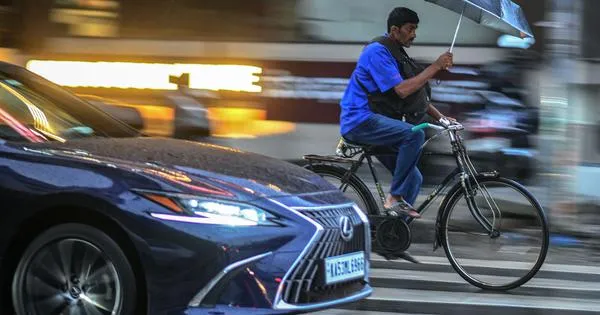
Indian cities face challenges in promoting cycling as a daily mode of transport despite its benefits for reducing pollution and traffic. While officials and advocacy groups highlight cycling's role in achieving climate goals, studies reveal barriers such as inadequate infrastructure, safety concerns, social stigma, and urban expansion. Although cycle tracks and sharing programs exist, cycling remains largely recreational rather than a common commuting choice, reflecting a shift from past norms and ongoing policy and cultural gaps.
Political Bias
25%70%5%
Sentiment
45%
AI Analysis
Political bias across 2 sources
● Left 25%● Center 70%● Right 5%
The articles present perspectives from government officials, advocacy groups, and researchers without favoring any political ideology. They highlight official endorsements of cycling for environmental goals alongside critiques of policy implementation and infrastructure shortcomings. The coverage balances government intentions with civil society observations, reflecting a range of viewpoints on urban transport and environmental policy.
Sentiment — Neutral (45/100)
The overall tone is mixed, combining positive recognition of cycling's environmental benefits and government support with critical assessments of practical barriers and cultural resistance. The articles acknowledge progress such as infrastructure projects but emphasize ongoing challenges, resulting in a nuanced portrayal rather than purely optimistic or pessimistic sentiment.
How 2 sources covered this story
Each source's own headline, political lean, and sentiment — so you can see framing differences at a glance.
| Source | Their headline | Bias | Sentiment |
|---|---|---|---|
| scrollin | Bicycles help ease traffic and pollution - but Indian cities aren't built for them | Center | Neutral |
| news18 | Pedal Paradox: Indian Cities Have Cycle Tracks, But No 'Cycle To Work' Culture. Why? | Center | Neutral |
Coverage timeline
news18 broke this story on 14 May, 08:20 am. Other outlets followed.
- 1news1814 May, 08:20 amPedal Paradox: Indian Cities Have Cycle Tracks, But No 'Cycle To Work' Culture. Why?
- 2scrollin14 May, 02:10 pmBicycles help ease traffic and pollution - but Indian cities aren't built for them
Lens Score breakdown
30/100
Public interest0/100
Coverage gap100%
Well-covered story — coverage matches public importance.
Accountability flags
TBN's analysis identified the following accountability dimensions in this story.
- systemic failure
This story points to a failure in institutional processes — regulation, safety, oversight, or service delivery breaking down at scale.
- public safety issue
This story involves a risk to public safety — infrastructure failure, regulatory lapse, hazardous conditions, or emergency mishandling.
Who's involved
Institutions and figures named across source coverage.
Government
NTR District CollectorMinistry of Housing and Urban AffairsMinistry of Youth Affairs and Sports
Story context
- Category
- Social
- Location
- Delhi, India
- Sources analysed
- 2
- Last analysed
- 14 May 2026
- Key entities
- Cycling infrastructurePollutionBicycleCyclingDelhiIndiaPhysical fitnessSustainable transportGurgaonChennaiBangalorePune
Related Coverage
Select a news story to see related coverage from other media outlets.