1 hour agoSocial
28LENS
3 SourcesAustralia
 thebalanced.news
Study Projects Increasing Extreme Climate Events Impacting Wildlife Habitats by 2085
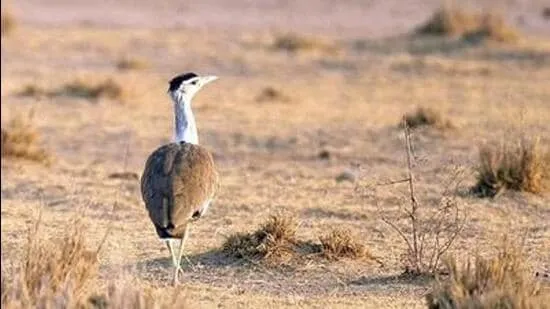
A study analyzing nearly 34,000 terrestrial vertebrate species projects that by 2050, 74% of their habitats will face heatwaves, with additional exposure to wildfires, droughts, and floods. By 2085, over a third of land animal habitats could experience multiple extreme climate events, especially in biodiversity hotspots like the Amazon, Africa, and Southeast Asia. Researchers emphasize that rapid emissions reductions could significantly limit these impacts and improve conservation outcomes.
Political Bias
0%100%0%
Sentiment
37%
AI Analysis
Political bias across 3 sources
● Left 0%● Center 100%● Right 0%
The articles present scientific findings from an international research team without political framing. They emphasize the role of emissions scenarios and highlight the potential benefits of emission reductions, reflecting a consensus on climate change impacts. The coverage includes expert statements but does not engage in partisan debate or policy advocacy, maintaining a neutral, fact-based approach.
Sentiment — Neutral (37/100)
The overall tone is cautionary and informative, focusing on the risks posed by extreme climate events to wildlife habitats. While the findings highlight serious environmental threats, the inclusion of mitigation possibilities through emission cuts introduces a hopeful element. The sentiment is balanced, combining concern about future impacts with recognition of potential positive actions.
How 3 sources covered this story
Each source's own headline, political lean, and sentiment — so you can see framing differences at a glance.
| Source | Their headline | Bias | Sentiment |
|---|---|---|---|
| economictimes | Extreme weather could endanger over one-third of land animal habitats by 2085, study warns | Center | Negative |
| indianexpress | Extreme events could impact 36 of land animal habitats by 2085, says new study | Center | Neutral |
| hindustantimes | Large wildlife habitat worldwide likely to be hit by extreme weather by 2050: Study | Center | Neutral |
Coverage timeline
hindustantimes broke this story on 24 Apr, 01:46 pm. Other outlets followed.
- 1hindustantimes24 Apr, 01:46 pmLarge wildlife habitat worldwide likely to be hit by extreme weather by 2050: Study
- 2indianexpress24 Apr, 05:26 pmExtreme events could impact 36 of land animal habitats by 2085, says new study
- 3economictimes24 Apr, 07:06 pmExtreme weather could endanger over one-third of land animal habitats by 2085, study warns
Lens Score breakdown
28/100
Public interest0/100
Coverage gap100%
Well-covered story — coverage matches public importance.
Story context
- Category
- Social
- Location
- Australia
- Sources analysed
- 3
- Last analysed
- 24 Apr 2026
- Key entities
- Heat waveDroughtWildfireFloodEcoregionSpeciesVertebrateHabitatSoutheast AsiaAfricaAustraliaPotsdam Institute for Climate Impact Research
Related Coverage
Select a news story to see related coverage from other media outlets.