2 hours agoSocial
25LENS
2 SourcesAhmedabad, India
 thebalanced.news
Strategies to Enhance Heat Action Plans for Protecting Women in South Asia
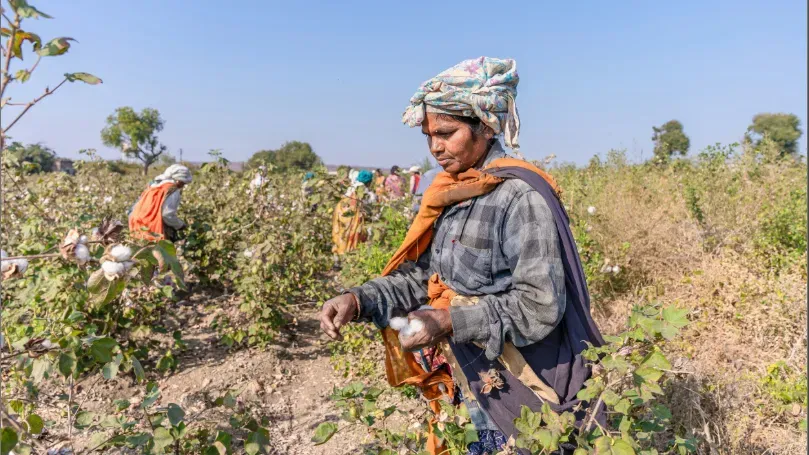
Women in South Asia face disproportionate risks from extreme heat due to their concentration in informal, climate-exposed work, unequal unpaid care responsibilities, and limited access to cooling and public services. Heat action plans often overlook these social vulnerabilities by focusing mainly on temperature and geography. Experts suggest four key steps to improve these plans, including ensuring early warning systems effectively reach women, to better protect those most at risk and address gender-specific impacts such as increased preterm birth rates.
Political Bias
60%40%0%
Sentiment
55%
AI Analysis
Political bias across 2 sources
● Left 60%● Center 40%● Right 0%
The articles present a policy-focused perspective emphasizing social equity and gender-specific vulnerabilities without partisan framing. They highlight systemic issues affecting women in South Asia related to informal employment and public service access, reflecting a developmental and social justice viewpoint common in policy and advocacy discussions.
Sentiment — Neutral (55/100)
The tone across the articles is analytical and informative, focusing on challenges posed by extreme heat to women and proposing constructive policy measures. The sentiment is neutral to cautiously concerned, aiming to raise awareness and encourage effective adaptation strategies without emotional or sensational language.
How 2 sources covered this story
Each source's own headline, political lean, and sentiment — so you can see framing differences at a glance.
| Source | Their headline | Bias | Sentiment |
|---|---|---|---|
| theprint | 4 ways India, Pakistan can protect women from extreme heat risk | Left | Neutral |
| theprint | 4 ways India, Pakistan can protect women from extreme heat risk | Left | Neutral |
Coverage timeline
theprint broke this story on 3 May, 08:55 am. Other outlets followed.
- 1theprint3 May, 08:55 am4 ways India, Pakistan can protect women from extreme heat risk
- 2theprint3 May, 09:10 am4 ways India, Pakistan can protect women from extreme heat risk
Lens Score breakdown
25/100
Public interest0/100
Coverage gap100%
Well-covered story — coverage matches public importance.
Who's involved
Institutions and figures named across source coverage.
Government
Local Adaptation Plans of ActionAhmedabad Heat Action Plan
Story context
- Category
- Social
- Location
- Ahmedabad, India
- Sources analysed
- 2
- Last analysed
- 3 May 2026
- Key entities
- South AsiaHeat waveInformal economyEarly warning systemSocial protectionPreterm birthGenderPollutionPublic serviceGeographyTemperatureEquity (finance)
Related Coverage
Select a news story to see related coverage from other media outlets.