1 hour agoSocial
26LENS
2 SourcesHarappa, Pakistan
 thebalanced.news
Ancient Water Management Practices Offer Insights for India's Groundwater Crisis
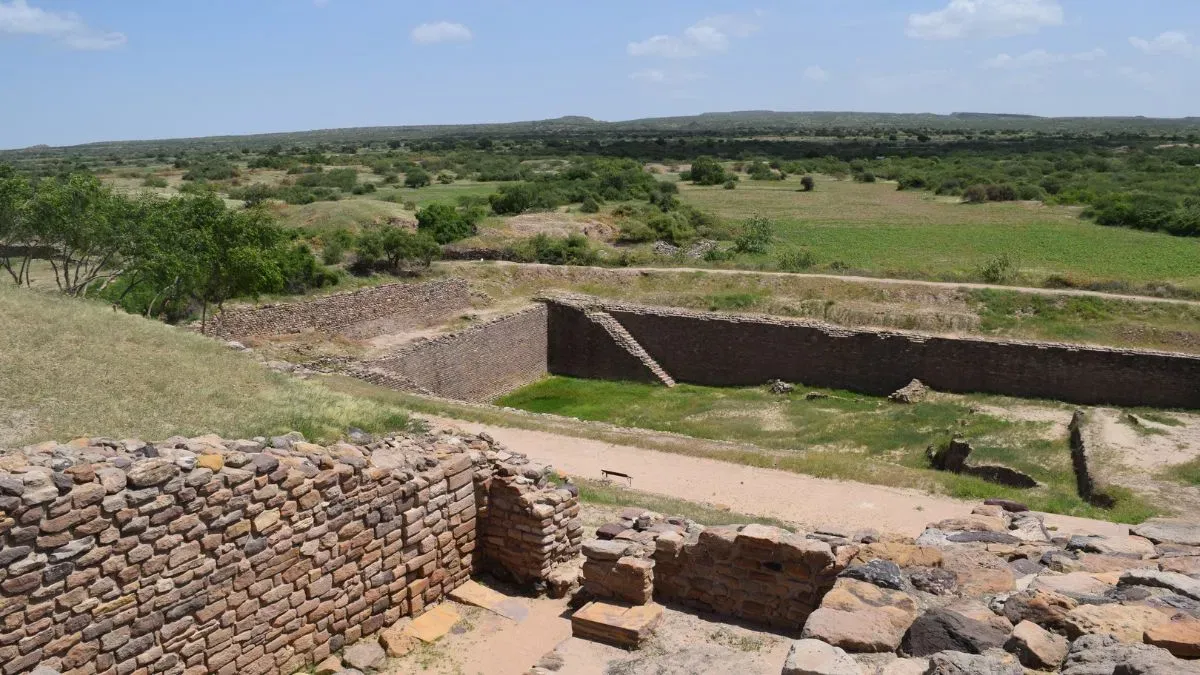
India faces severe groundwater depletion, with states like Punjab, Haryana, and Rajasthan experiencing critical stress due to over-extraction. Major cities including Delhi, Chennai, Bengaluru, and Hyderabad rank among the world's most water-stressed. Experts suggest adopting community-led groundwater management and investing in natural water systems. Archaeological evidence from ancient sites like Dholavira reveals sophisticated rainwater harvesting and recharge methods, highlighting the potential of traditional ecological knowledge to address modern water challenges.
Political Bias
10%85%5%
Sentiment
68%
AI Analysis
Political bias across 2 sources
● Left 10%● Center 85%● Right 5%
The articles primarily present an environmental and scientific perspective, emphasizing expert opinions and archaeological findings without political framing. They focus on systemic water management issues affecting multiple states and cities, avoiding partisan viewpoints or government criticism. The coverage highlights the need for sustainable solutions, reflecting a consensus on ecological challenges rather than political debate.
Sentiment — Positive (68/100)
The tone across the articles is cautiously concerned, acknowledging the severity of India's groundwater depletion while offering constructive insights through historical and expert perspectives. The sentiment balances urgency about water stress with optimism about leveraging traditional knowledge and community efforts, resulting in a measured and informative narrative.
How 2 sources covered this story
Each source's own headline, political lean, and sentiment — so you can see framing differences at a glance.
| Source | Their headline | Bias | Sentiment |
|---|---|---|---|
| theprint | This Harappan city holds the solution to India's water crisis | Center | Neutral |
| theprint | This Harappan city holds the solution to India's water crisis | Center | Positive |
Coverage timeline
theprint broke this story on 25 May, 11:25 am. Other outlets followed.
- 1theprint25 May, 11:25 amThis Harappan city holds the solution to India's water crisis
- 2theprint25 May, 11:40 amThis Harappan city holds the solution to India's water crisis
Lens Score breakdown
26/100
Public interest0/100
Coverage gap100%
Well-covered story — coverage matches public importance.
Who's involved
Institutions and figures named across source coverage.
Government
Indian Council Of Historical ResearchNITI AayogTelangana State Government
Story context
- Category
- Social
- Location
- Harappa, Pakistan
- Sources analysed
- 2
- Last analysed
- 25 May 2026
- Key entities
- StepwellDholaviraGroundwater rechargeTankGroundwaterReservoirArchaeologyEcologyClimateIndiaMonsoonHydraulics
Related Coverage
Select a news story to see related coverage from other media outlets.