2 hours agoSocial
30LENS
2 SourcesIndia
 thebalanced.news
Cerebral Malaria Risks and the Role of Vaccination in Malaria Prevention
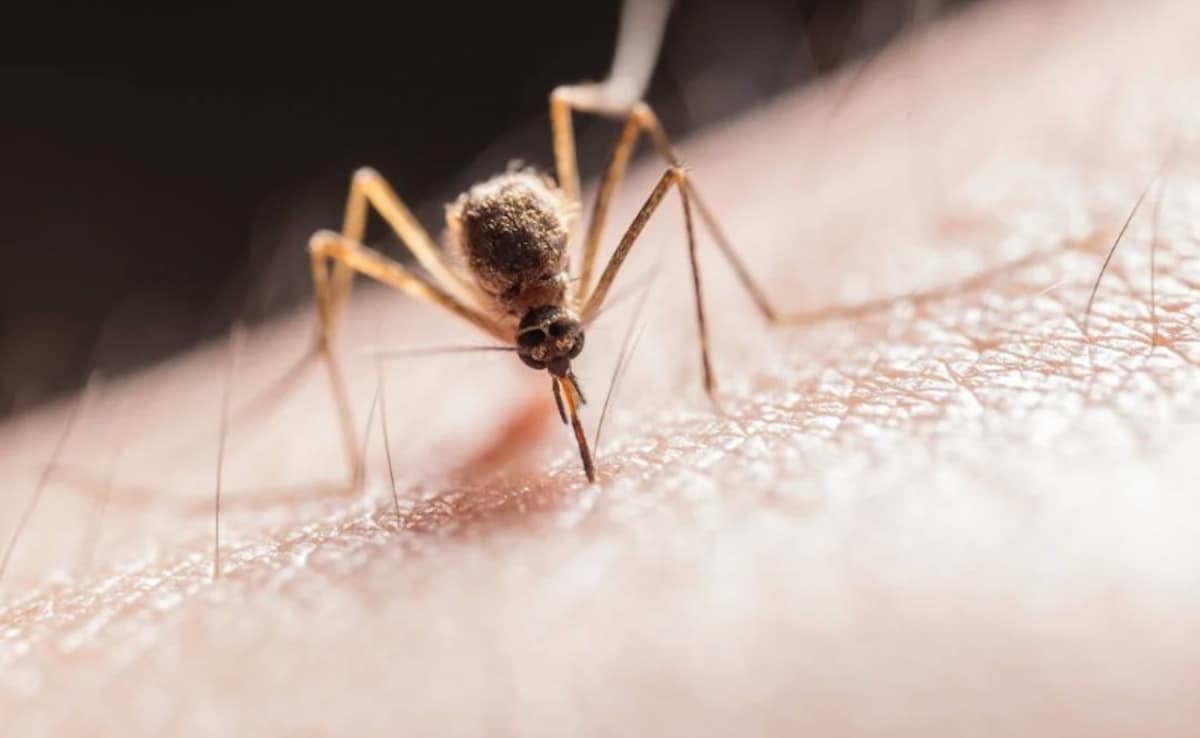
Cerebral malaria, caused by Plasmodium falciparum, is a severe brain complication leading to symptoms like seizures and coma, primarily affecting children and pregnant women in high-transmission areas. Early treatment is critical to prevent fatal outcomes and long-term cognitive impairments. Globally, malaria remains a major health issue with millions of cases and deaths annually. While India currently lacks malaria vaccines in its immunization program, vaccines like RTS-S and R21 Matrix-M show promise in reducing cases alongside mosquito control and treatment efforts.
Political Bias
0%100%0%
Sentiment
60%
AI Analysis
Political bias across 2 sources
● Left 0%● Center 100%● Right 0%
The articles present a health-focused perspective emphasizing scientific and medical information without political framing. They highlight global and national health challenges, vaccine development, and prevention strategies, reflecting public health and policy considerations without partisan viewpoints. The coverage centers on expert insights and official data, maintaining neutrality on policy debates.
Sentiment — Neutral (60/100)
The overall tone is informative and neutral, focusing on raising awareness about cerebral malaria's severity and the importance of prevention through vaccination and mosquito control. The sentiment balances concern over malaria's impact with optimism about vaccine advancements, avoiding sensationalism or alarmism.
How 2 sources covered this story
Each source's own headline, political lean, and sentiment — so you can see framing differences at a glance.
| Source | Their headline | Bias | Sentiment |
|---|---|---|---|
| ndtv | What Is Cerebral Malaria? Everything You Need To Know | Center | Neutral |
| ndtv | How Vaccinations Play A Crucial Role In Malaria Prevention | Center | Positive |
Coverage timeline
ndtv broke this story on 24 Apr, 12:46 pm. Other outlets followed.
- 1ndtv24 Apr, 12:46 pmHow Vaccinations Play A Crucial Role In Malaria Prevention
- 2ndtv24 Apr, 02:08 pmWhat Is Cerebral Malaria? Everything You Need To Know
Lens Score breakdown
30/100
Public interest0/100
Coverage gap100%
Well-covered story — coverage matches public importance.
Who's involved
Institutions and figures named across source coverage.
Government
National Centre for Vector Borne Disease Control
Story context
- Category
- Social
- Location
- India
- Sources analysed
- 2
- Last analysed
- 24 Apr 2026
- Key entities
- MalariaInfectionMosquitoImmunity (medical)SeizureFeverBrainFatigueChillsPlasmodium falciparumUnconsciousnessHeadache
Related Coverage
Select a news story to see related coverage from other media outlets.