9 hours agoSocial
28LENS
2 SourcesIndia
 thebalanced.news
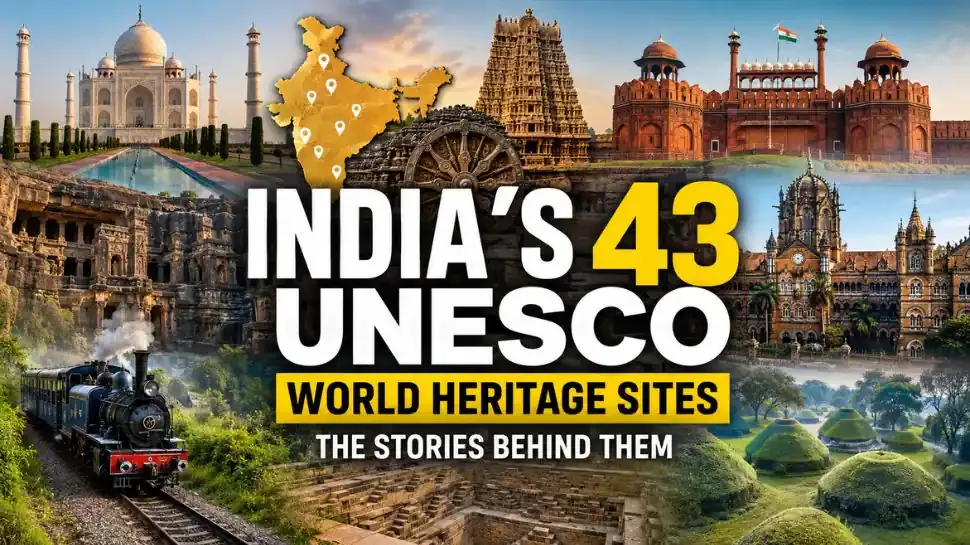
India's 44 UNESCO World Heritage Sites Highlight Cultural and Natural Heritage
India has 44 UNESCO World Heritage Sites as of 2026, spanning 18 states and union territories. These sites include cultural, natural, and mixed heritage locations that showcase the country's diverse history, architecture, religion, and natural environment. Notable examples are the Ajanta and Ellora Caves in Maharashtra, which feature ancient Buddhist paintings and monuments representing Buddhist, Hindu, and Jain traditions. These sites attract travelers, historians, and nature enthusiasts worldwide.
Political Bias
0%100%0%
Sentiment
75%
AI Analysis
Political bias across 2 sources
● Left 0%● Center 100%● Right 0%
The articles present a neutral cultural and historical perspective, focusing on India's heritage without political framing. They emphasize the significance of UNESCO recognition and the diversity of sites, reflecting a shared appreciation across sources without partisan viewpoints or political commentary.
Sentiment — Positive (75/100)
The tone across the articles is positive and celebratory, highlighting the richness and diversity of India's heritage sites. The coverage encourages interest and appreciation, using descriptive language that conveys pride in cultural and natural landmarks without criticism or controversy.
How 2 sources covered this story
Each source's own headline, political lean, and sentiment — so you can see framing differences at a glance.
| Source | Their headline | Bias | Sentiment |
|---|---|---|---|
| zeenews | UNESCO World Heritage Sites in India 2026; See full list of 44 recognized sites | Center | Positive |
| timesnow | India's 10 Most Remarkable UNESCO World Heritage Sites | Center | Positive |
Coverage timeline
timesnow broke this story on 8 May, 02:37 am. Other outlets followed.
- 1timesnow8 May, 02:37 amIndia's 10 Most Remarkable UNESCO World Heritage Sites
- 2zeenews8 May, 04:04 pmUNESCO World Heritage Sites in India 2026; See full list of 44 recognized sites
Lens Score breakdown
28/100
Public interest0/100
Coverage gap100%
Well-covered story — coverage matches public importance.
Story context
- Category
- Social
- Location
- India
- Sources analysed
- 2
- Last analysed
- 8 May 2026
- Key entities
- IndiaWorld Heritage SiteBuddhismAjanta CavesUNESCOAgra FortTaj MahalStates and union territories of IndiaEllora CavesHindusJainismMaharashtra
Related Coverage
Select a news story to see related coverage from other media outlets.