2 hours agoSocial
23LENS
2 SourcesSaskatoon, Canada
 thebalanced.news
Study Links Polar Bear Visits to Human Sites with Arctic Ice Loss, Not Human Activity
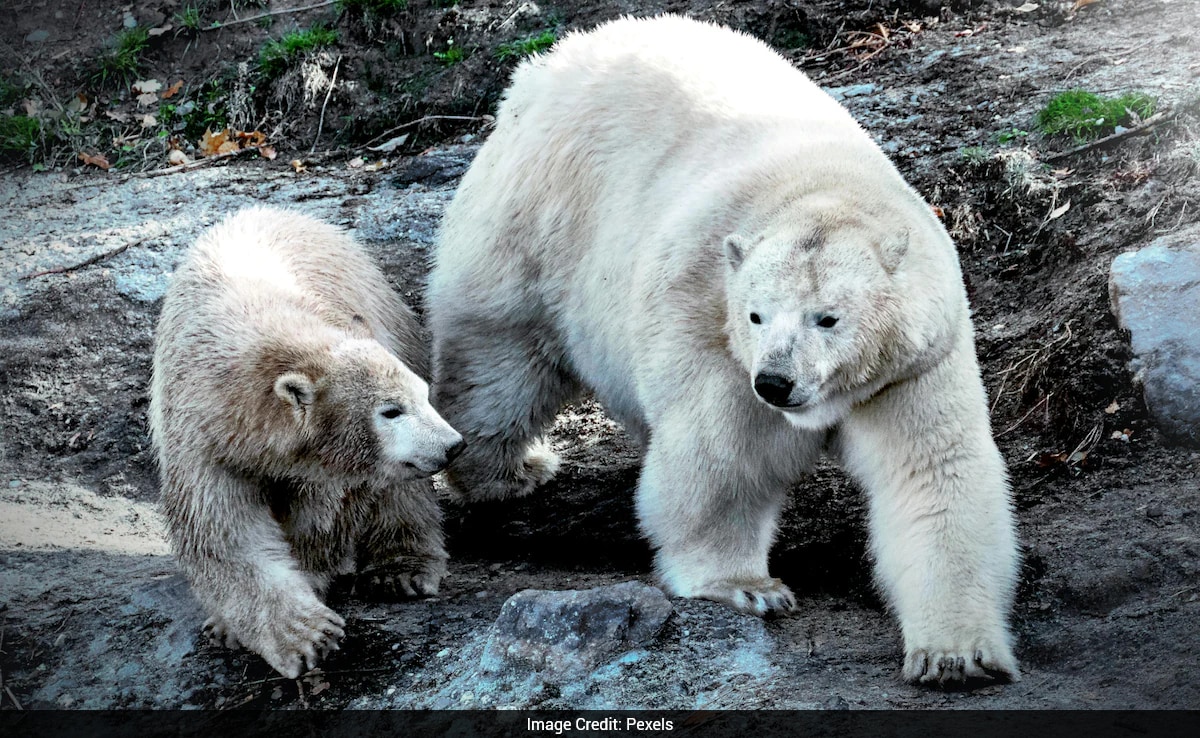
Research conducted between 2011 and 2021 in Wapusk National Park and Churchill Northern Studies Centre, Canada, used trail cameras to monitor polar bear visits to human camps. Findings indicate that human presence did not influence bear visits, but the length of the ice-free season significantly affected their presence. As Arctic ice diminishes, polar bears spend more time onshore, potentially increasing interactions with humans due to nutritional stress and habitat changes.
Political Bias
0%100%0%
Sentiment
55%
AI Analysis
Political bias across 2 sources
● Left 0%● Center 100%● Right 0%
The articles present a scientific perspective focusing on environmental and wildlife research without political framing. They emphasize ecological factors affecting polar bear behavior, avoiding political or ideological interpretations. The coverage reflects environmental and conservation viewpoints, highlighting climate change impacts without partisan commentary.
Sentiment — Neutral (55/100)
The tone across the articles is neutral and informative, presenting research findings without emotional language. While the topic involves concerns about climate change and wildlife risks, the coverage maintains an objective stance, focusing on data and observed patterns rather than expressing alarm or optimism.
How 2 sources covered this story
Each source's own headline, political lean, and sentiment — so you can see framing differences at a glance.
| Source | Their headline | Bias | Sentiment |
|---|---|---|---|
| ndtv | Why Polar Bears Approach Human Infrastructure? It's All About Ice | Center | Neutral |
| hindustantimes | Why do polar bears approach human infrastructure? Answer is more complex than we thought | Center | Neutral |
Coverage timeline
hindustantimes broke this story on 1 May, 05:05 am. Other outlets followed.
- 1hindustantimes1 May, 05:05 amWhy do polar bears approach human infrastructure? Answer is more complex than we thought
- 2ndtv1 May, 08:40 amWhy Polar Bears Approach Human Infrastructure? It's All About Ice
Lens Score breakdown
23/100
Public interest0/100
Coverage gap100%
Well-covered story — coverage matches public importance.
Who's involved
Institutions and figures named across source coverage.
Government
Parks Canada
Story context
- Category
- Social
- Location
- Saskatoon, Canada
- Sources analysed
- 2
- Last analysed
- 1 May 2026
- Key entities
- Polar bearHudson BaySea iceClimate of the ArcticWapusk National ParkParks CanadaPinnipedSaskatoonManitobaChurchill, ManitobaFastingPredation
Related Coverage
Select a news story to see related coverage from other media outlets.