1 hour agoSocial
28LENS
2 SourcesKolkata, India
 thebalanced.news
Hindu Kush Himalaya Snow Cover Hits 23-Year Low, Raising Water Supply Concerns
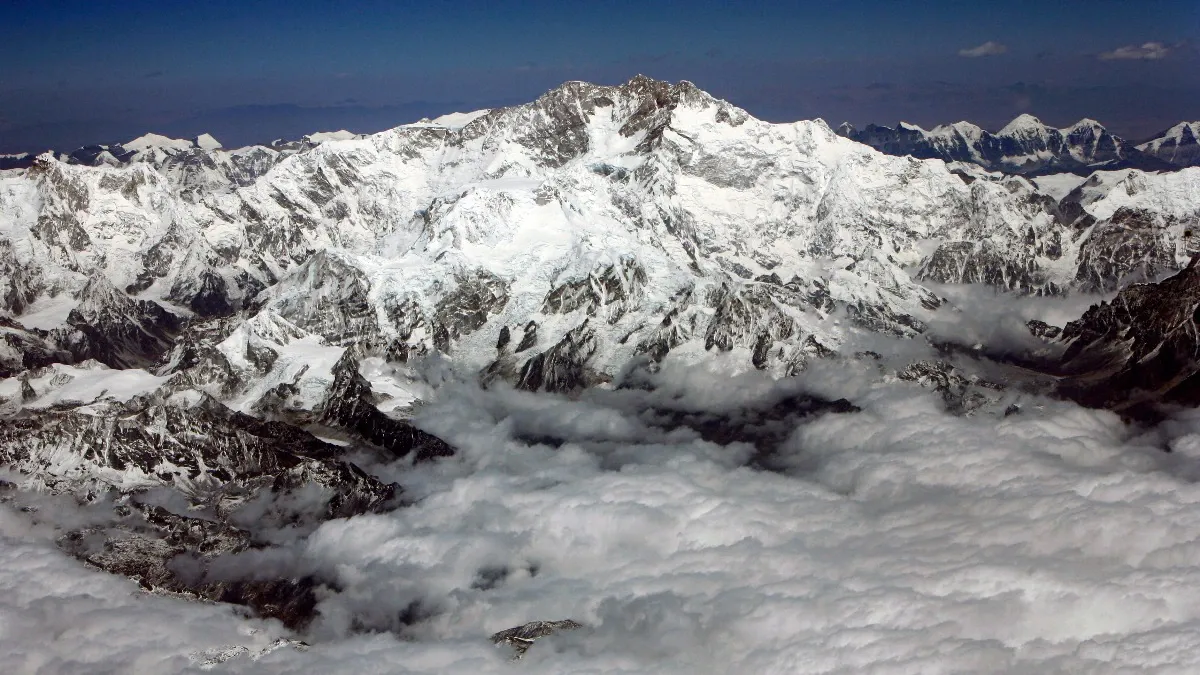
A report by the International Centre for Integrated Mountain Development reveals that snow cover across the Hindu Kush Himalaya has dropped to its lowest level in over 20 years, with snow persistence 27.8% below the long-term average between November 2025 and March 2026. This decline threatens water supplies for nearly two billion people relying on 12 major river basins. While the Mekong and Tibetan Plateau saw significant decreases, the Ganges basin experienced a 16.3% increase, offering temporary relief. Accelerated glacier melting raises concerns about future water shortages.
Political Bias
10%85%5%
Sentiment
32%
AI Analysis
Political bias across 2 sources
● Left 10%● Center 85%● Right 5%
The articles present a scientific and environmental perspective without evident political framing. They focus on data from a regional research body and highlight the potential impact on populations across multiple countries. Both sources emphasize the environmental and humanitarian implications, avoiding partisan viewpoints or policy debates.
Sentiment — Negative (32/100)
The tone across the articles is cautious and concerned, reflecting the seriousness of declining snow levels and potential water crises. While noting some regional variation and temporary relief in the Ganges basin, the overall sentiment underscores environmental challenges and risks, maintaining a neutral and informative approach without sensationalism.
How 2 sources covered this story
Each source's own headline, political lean, and sentiment — so you can see framing differences at a glance.
| Source | Their headline | Bias | Sentiment |
|---|---|---|---|
| wion | Himalayas running dry? Snow levels hit over 20-year low, water crisis sparks fears for 2 billion people | Center | Neutral |
| indiatoday | Himalayan snow hits 23-year low, water crisis looms for 2 billion lives | Center | Negative |
Coverage timeline
indiatoday broke this story on 26 Apr, 01:55 pm. Other outlets followed.
- 1indiatoday26 Apr, 01:55 pmHimalayan snow hits 23-year low, water crisis looms for 2 billion lives
- 2wion27 Apr, 07:56 amHimalayas running dry? Snow levels hit over 20-year low, water crisis sparks fears for 2 billion people
Lens Score breakdown
28/100
Public interest0/100
Coverage gap100%
Well-covered story — coverage matches public importance.
Story context
- Category
- Social
- Location
- Kolkata, India
- Sources analysed
- 2
- Last analysed
- 27 Apr 2026
- Key entities
- HimalayasSnowHindu KushMyanmarWater scarcityAsiaAfghanistanMekongDrainage basinKolkataKabulTibetan Plateau
Related Coverage
Select a news story to see related coverage from other media outlets.