1 hour agoSocial
28LENS
2 SourcesWellington, New Zealand
 thebalanced.news
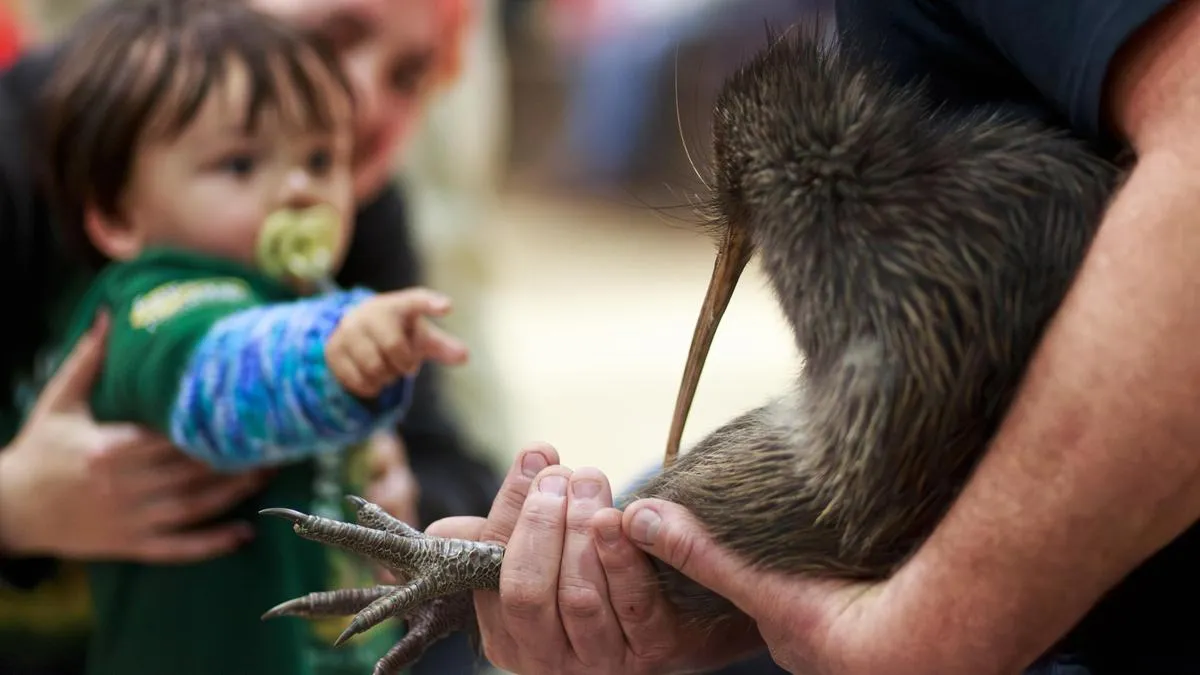
Citizen Campaign Reintroduces Endangered Kiwi Birds to Wellington After 100 Years
The kiwi, New Zealand's sacred national bird, disappeared from Wellington's hills over a century ago. Residents, led by the Capital Kiwi Project founded by Paul Ward, have initiated a citizen campaign to reintroduce the endangered flightless birds to the capital. On April 28, 2026, seven kiwis, including the 250th relocated since the project's start, were quietly released into rugged farmland. The kiwi holds cultural significance and faces population decline nationwide, with about 70,000 remaining and a 2% annual decrease.
Political Bias
0%100%0%
Sentiment
75%
AI Analysis
Political bias across 2 sources
● Left 0%● Center 100%● Right 0%
The articles present a largely apolitical narrative focusing on conservation and cultural heritage. They highlight community-led environmental efforts without political framing or partisan viewpoints. The coverage centers on local citizen activism and ecological concerns, reflecting a neutral stance without evident ideological bias.
Sentiment — Positive (75/100)
The tone across the articles is positive and hopeful, emphasizing community dedication and cultural restoration. Descriptions of the kiwi's significance and the careful reintroduction efforts convey respect and optimism. There is no negative or critical sentiment, focusing instead on the project's progress and the bird's endangered status.
How 2 sources covered this story
Each source's own headline, political lean, and sentiment — so you can see framing differences at a glance.
| Source | Their headline | Bias | Sentiment |
|---|---|---|---|
| thetelegraph | Citizen-led efforts restore iconic kiwi birds to New Zealand's capital after over 100 years | Center | Positive |
| thehindu | A citizen campaign returns iconic kiwi birds to New Zealand's capital after a century-long absence | Center | Positive |
Coverage timeline
thehindu broke this story on 1 May, 06:52 am. Other outlets followed.
- 1thehindu1 May, 06:52 amA citizen campaign returns iconic kiwi birds to New Zealand's capital after a century-long absence
- 2thetelegraph1 May, 11:41 amCitizen-led efforts restore iconic kiwi birds to New Zealand's capital after over 100 years
Lens Score breakdown
28/100
Public interest0/100
Coverage gap100%
Well-covered story — coverage matches public importance.
Story context
- Category
- Social
- Location
- Wellington, New Zealand
- Sources analysed
- 2
- Last analysed
- 1 May 2026
- Key entities
- Kiwi (bird)Flightless birdEndangered speciesNew ZealandWellingtonSouth IslandBirdBald eagleCapital of New ZealandKarakiaNew Zealand ParliamentNocturnality
Related Coverage
Select a news story to see related coverage from other media outlets.