4 hours agoSocial
25LENS
2 SourcesGibraltar
 thebalanced.news
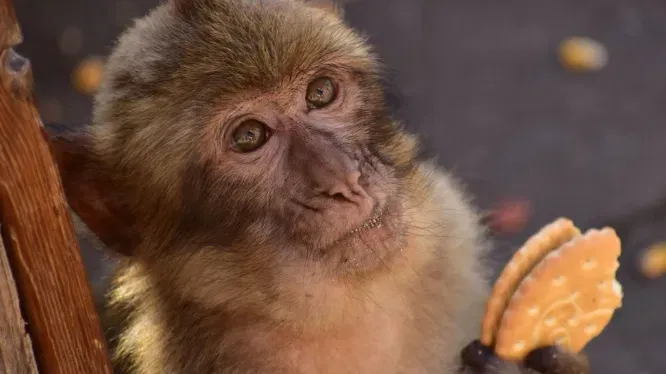
Gibraltar Monkeys Eat Soil to Counter Effects of Human Junk Food, Study Finds
A study on Gibraltar's Barbary macaques found that increased consumption of human-provided junk food like chocolates, ice cream, and chips disrupts their gut microbiome, leading them to eat soil, a behavior known as geophagy. This soil consumption, more frequent during tourist seasons, may help soothe digestive issues caused by high-calorie, sugary, and fatty foods. Researchers observed that isolated monkey groups not exposed to tourists rarely eat soil, suggesting this behavior is linked to human interaction and is socially transmitted among troops.
Political Bias
0%100%0%
Sentiment
55%
AI Analysis
Political bias across 2 sources
● Left 0%● Center 100%● Right 0%
The articles primarily present scientific findings without political framing, focusing on animal behavior and human impact. They include perspectives from researchers and local authorities but do not engage in political debate or assign responsibility beyond noting human influence. The coverage is factual and centered on ecological and behavioral science rather than political viewpoints.
Sentiment — Neutral (55/100)
The tone across the articles is neutral to mildly concerned, emphasizing the unintended consequences of human feeding habits on monkey health. While highlighting negative effects of junk food on macaques, the coverage remains descriptive and avoids emotional language, focusing on scientific explanations and observations.
How 2 sources covered this story
Each source's own headline, political lean, and sentiment — so you can see framing differences at a glance.
| Source | Their headline | Bias | Sentiment |
|---|---|---|---|
| theprint | Monkey see, monkey eat dirt -- The social science behind primate 'self-medication' | Center | Neutral |
| wion | Monkeys of Gibraltar are relishing junk food followed by dirt because of humans | Center | Neutral |
Coverage timeline
wion broke this story on 23 Apr, 10:58 am. Other outlets followed.
- 1wion23 Apr, 10:58 amMonkeys of Gibraltar are relishing junk food followed by dirt because of humans
- 2theprint24 Apr, 06:42 amMonkey see, monkey eat dirt -- The social science behind primate 'self-medication'
Lens Score breakdown
25/100
Public interest0/100
Coverage gap100%
Well-covered story — coverage matches public importance.
Story context
- Category
- Social
- Location
- Gibraltar
- Sources analysed
- 2
- Last analysed
- 24 Apr 2026
- Key entities
- MonkeyGastrointestinal tractJunk foodSoilGibraltarIce creamStomachChocolateMacaqueSugarGut microbiotaGeophagia
Related Coverage
Select a news story to see related coverage from other media outlets.