2 hours agoSocial
31LENS
4 SourcesIndia
 thebalanced.news
India Tests New Nationwide Cell Broadcast Emergency Alert System on Mobile Phones
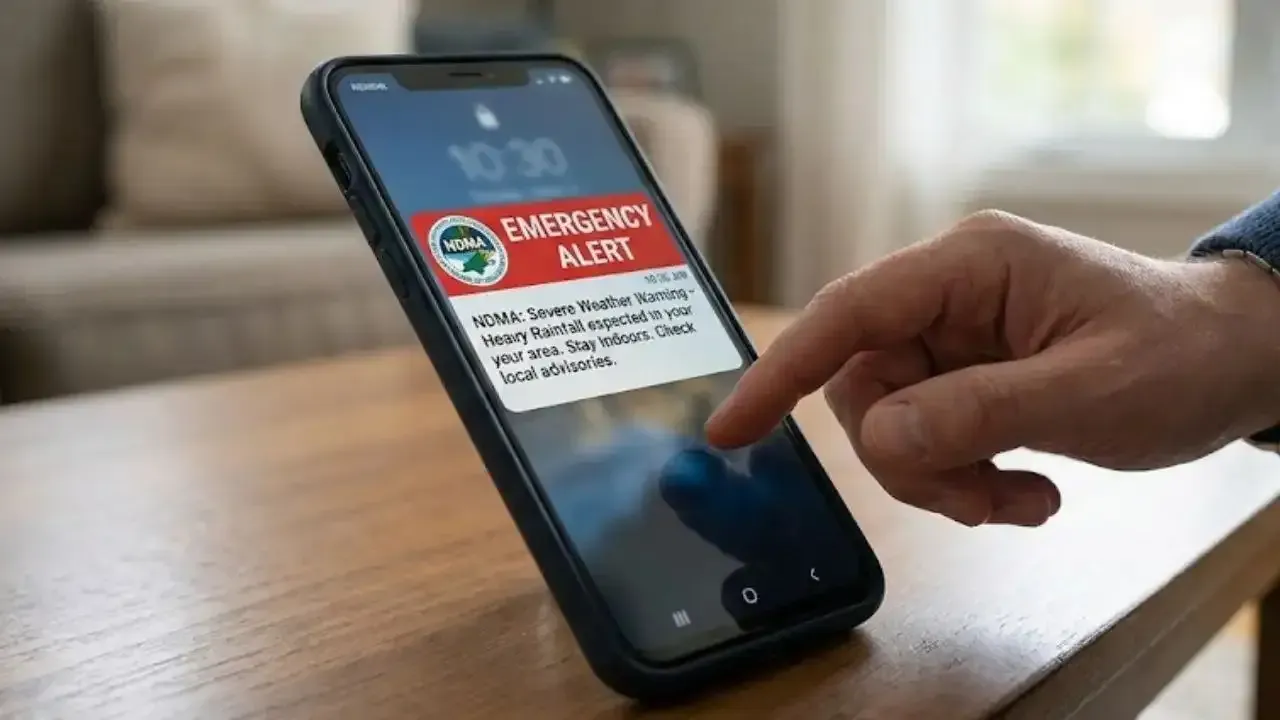
India is testing a new indigenous emergency alert system called Cell Broadcast Alert, developed by the Department of Telecommunications and the National Disaster Management Authority (NDMA) with support from C-DOT. This system sends real-time warnings directly to mobile phones within specific areas during disasters, aiming for rapid, widespread coverage without overloading networks. Nationwide trials are underway to assess performance and reliability before formal rollout. Test alerts, delivered in multiple languages, include messages advising recipients not to panic or take action.
Political Bias
0%100%0%
Sentiment
70%
AI Analysis
Political bias across 4 sources
● Left 0%● Center 100%● Right 0%
The articles collectively present a government-led initiative focused on public safety and technological advancement without partisan framing. Coverage emphasizes official sources like NDMA, DoT, and C-DOT, highlighting the system's development and testing phases. There is no evident political critique or opposition perspective, reflecting a neutral stance centered on informing the public about the alert system.
Sentiment — Positive (70/100)
The overall tone across the articles is neutral to mildly positive, focusing on the benefits of the new alert system and reassuring the public about test alerts. The messaging stresses preparedness and technological progress, while repeatedly advising readers not to panic. There is no negative sentiment or alarmist language, maintaining a calm and informative approach.
How 4 sources covered this story
Each source's own headline, political lean, and sentiment — so you can see framing differences at a glance.
| Source | Their headline | Bias | Sentiment |
|---|---|---|---|
| news18 | Got An NDMA Alert On Your Phone? No Need To Panic. All You Need To Know | Center | Positive |
| ndtv | Got An NDMA Alert On Your Phone? Don't Panic, Here's Why You Received It | Center | Positive |
| timesnow | Received An NDMA Alert Today? Here's Why Your Phone Suddenly Buzzed | Center | Neutral |
| indiatoday | Got an NDMA alert SMS? Don't panic, India is testing new disaster warning system | Center | Positive |
Coverage timeline
indiatoday broke this story on 1 May, 06:47 am. Other outlets followed.
- 1indiatoday1 May, 06:47 amGot an NDMA alert SMS? Don't panic, India is testing new disaster warning system
- 2timesnow1 May, 08:16 amReceived An NDMA Alert Today? Here's Why Your Phone Suddenly Buzzed
- 3ndtv1 May, 08:57 amGot An NDMA Alert On Your Phone? Don't Panic, Here's Why You Received It
- 4news181 May, 10:42 amGot An NDMA Alert On Your Phone? No Need To Panic. All You Need To Know
Lens Score breakdown
31/100
Public interest0/100
Coverage gap100%
Well-covered story — coverage matches public importance.
Who's involved
Institutions and figures named across source coverage.
Government
National Disaster Management AuthorityCentre for Development of Telematics
Story context
- Category
- Social
- Location
- India
- Sources analysed
- 4
- Last analysed
- 1 May 2026
- Key entities
- Cell BroadcastNational Disaster Management Authority (Pakistan)Mobile phoneEmergency communication systemTsunamiEarthquakeIndiaSMSLightningDepartment of TelecommunicationsTelecommunicationsText messaging
Related Coverage
Select a news story to see related coverage from other media outlets.