2 hours agoSocial
25LENS
2 SourcesIndia
 thebalanced.news
Stanford Study Finds Social Media Breaks Improve Emotional Well-Being
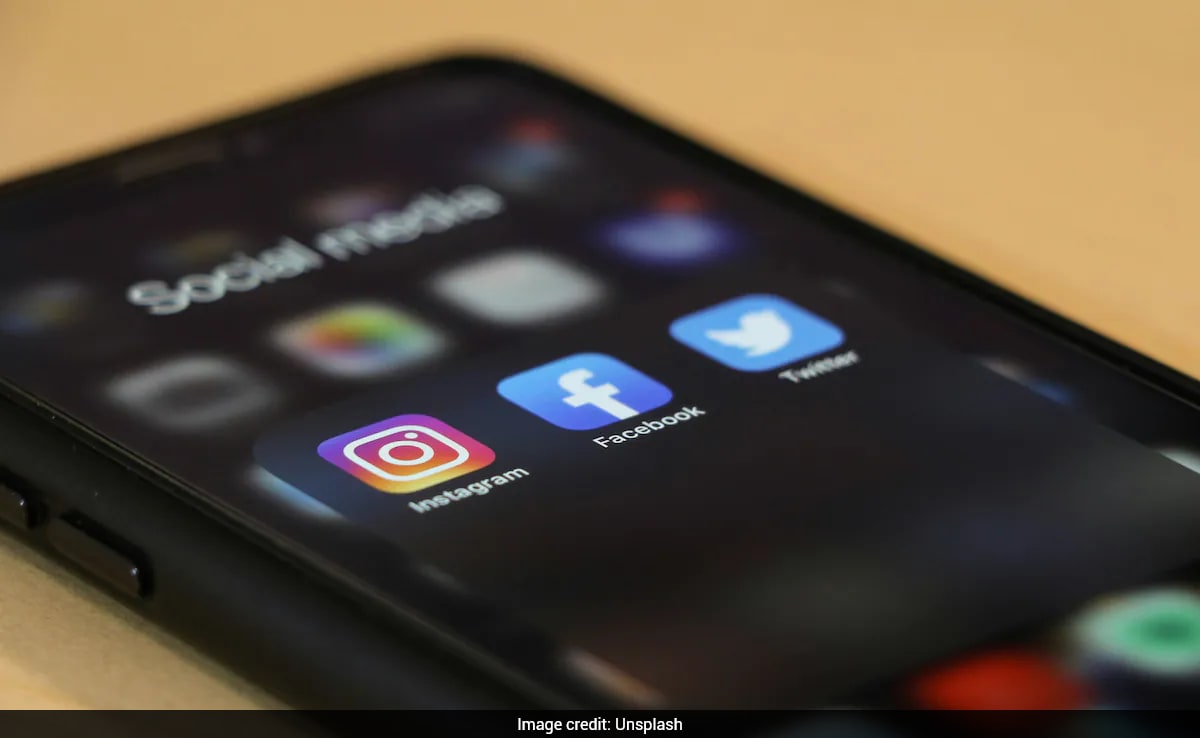
A Stanford University study involving over 35,000 Americans found that quitting Facebook or Instagram for six weeks before the 2020 US election led to improved emotional well-being. Facebook users, especially those over 35, reported notable reductions in depression and anxiety. Instagram breaks showed smaller benefits, primarily among women aged 18 to 24. The study compared participants who deactivated accounts for six weeks with those who took shorter breaks, highlighting that even brief social media pauses can positively affect mental health.
Political Bias
0%100%0%
Sentiment
68%
AI Analysis
Political bias across 2 sources
● Left 0%● Center 100%● Right 0%
The articles present a neutral, research-focused perspective without political framing. They emphasize scientific findings on social media's impact on mental health, representing viewpoints from academic researchers and study participants. There is no evident political bias, as coverage centers on empirical results rather than policy or ideological debates.
Sentiment — Positive (68/100)
The overall sentiment is cautiously positive, highlighting improvements in mental health linked to social media breaks. The tone is measured and factual, focusing on statistically meaningful benefits without exaggeration. Both articles acknowledge the modest scale of changes and specify demographic variations, maintaining an objective and informative approach.
How 2 sources covered this story
Each source's own headline, political lean, and sentiment — so you can see framing differences at a glance.
| Source | Their headline | Bias | Sentiment |
|---|---|---|---|
| ndtv | 36,000 People Quit Social Media For Six Weeks. Here's What Researchers Found | Center | Neutral |
| news18 | Stanford study Social media break boosts happiness and mental health | Center | Positive |
Coverage timeline
news18 broke this story on 19 Apr, 06:59 am. Other outlets followed.
- 1news1819 Apr, 06:59 amStanford study Social media break boosts happiness and mental health
- 2ndtv19 Apr, 12:09 pm36,000 People Quit Social Media For Six Weeks. Here's What Researchers Found
Lens Score breakdown
25/100
Public interest0/100
Coverage gap100%
Well-covered story — coverage matches public importance.
Story context
- Category
- Social
- Location
- India
- Sources analysed
- 2
- Last analysed
- 19 Apr 2026
- Key entities
- InstagramFacebookStanford UniversitySocial mediaWell-being2020 United States presidential electionNintendo SwitchNew York PostArtificial intelligenceCarMobile appDr. Dre
Related Coverage
Select a news story to see related coverage from other media outlets.