2 hours agoSocial
22LENS
2 SourcesKolkata, India
 thebalanced.news
Jhal Moori Gains National Attention Amid West Bengal Assembly Election
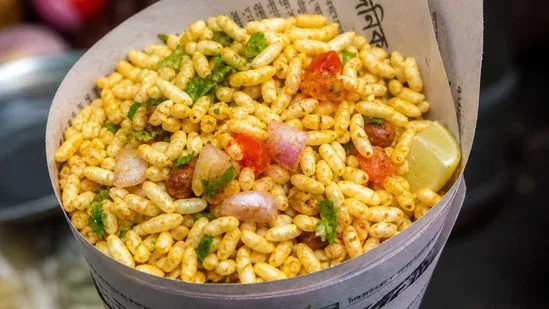
Jhal moori, a spicy puffed rice snack closely associated with Bengali street food, gained national attention during the recent West Bengal Assembly election when Prime Minister Narendra Modi was seen buying it. While muri (puffed rice) has long been part of Bengali identity and daily life, food historians note that the spiced version, jhal moori, emerged more recently with urban street food culture and migration. The snack's political spotlight reflects both cultural pride and evolving food traditions in Bengal.
Political Bias
10%85%5%
Sentiment
75%
AI Analysis
Political bias across 2 sources
● Left 10%● Center 85%● Right 5%
The articles present perspectives highlighting the cultural significance of jhal moori in Bengal, noting its recent political symbolism linked to Prime Minister Modi's election campaign visit. They include historical viewpoints from food historians emphasizing the snack's evolving identity without endorsing political narratives, maintaining a focus on cultural and social aspects rather than partisan positions.
Sentiment — Positive (75/100)
The tone across the articles is generally neutral and informative, focusing on the cultural history and recent popularity of jhal moori. Coverage is positive in terms of celebrating the snack's heritage and its role in Bengal's identity, without emotional or critical language related to the political context.
How 2 sources covered this story
Each source's own headline, political lean, and sentiment — so you can see framing differences at a glance.
| Source | Their headline | Bias | Sentiment |
|---|---|---|---|
| hindustantimes | The Taste by Vir Sanghvi: How jhal moori became India's most talked-about snack | Center | Positive |
| thetelegraph | A brief history of jhalmuri, the snack that has become the flavour of the Bengal election | Center | Positive |
Coverage timeline
thetelegraph broke this story on 5 May, 12:01 pm. Other outlets followed.
- 1thetelegraph5 May, 12:01 pmA brief history of jhalmuri, the snack that has become the flavour of the Bengal election
- 2hindustantimes5 May, 04:07 pmThe Taste by Vir Sanghvi: How jhal moori became India's most talked-about snack
Lens Score breakdown
22/100
Public interest0/100
Coverage gap100%
Well-covered story — coverage matches public importance.
Who's involved
Institutions and figures named across source coverage.
Political
Prime Minister Narendra ModiBJP
Story context
- Category
- Social
- Location
- Kolkata, India
- Sources analysed
- 2
- Last analysed
- 5 May 2026
- Key entities
- BengalBengali languageKolkataSnackStreet foodMustard oilBritish EmpireRiceBhel puriBharatiya Janata PartyNarendra ModiVegetarianism
Related Coverage
Select a news story to see related coverage from other media outlets.