23 hours agoSocial
28LENS
2 SourcesUnited States
 thebalanced.news
Gen Z Workers Challenge Traditional Workplace Norms Over Boundaries and Expectations
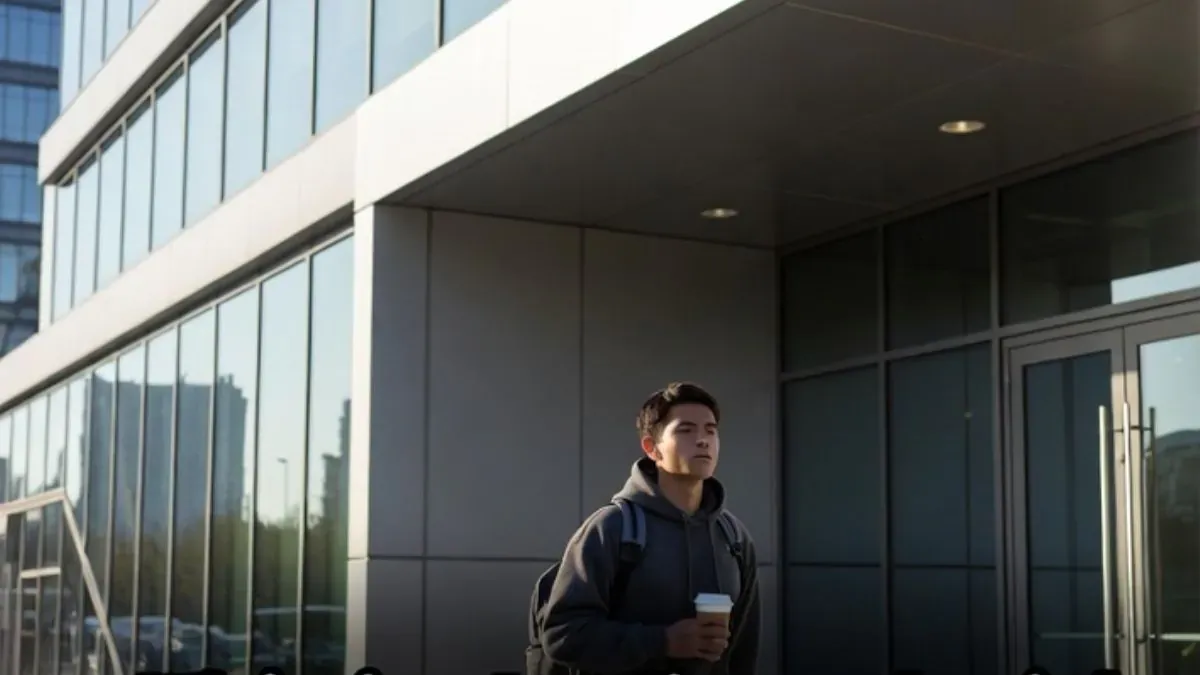
Two viral stories highlight Gen Z workers challenging traditional workplace expectations. One employee quit on her first day after taking a lunch break and not returning, citing misalignment with job promises. Another refused a last-minute task after work hours, prioritizing boundaries despite promotion risks. These incidents, shared by career counsellor Simon Ingari, reflect Gen Z's emphasis on efficiency, mental health, and clear work-life balance, sparking mixed reactions about professionalism and evolving work culture.
Political Bias
0%100%0%
Sentiment
62%
AI Analysis
Political bias across 2 sources
● Left 0%● Center 100%● Right 0%
The articles primarily present workplace culture issues without explicit political framing. They reflect generational perspectives on work-life balance and professional expectations, highlighting both employer and employee viewpoints. The coverage includes voices supporting Gen Z's stance on boundaries and those questioning professionalism, maintaining a balanced representation of differing opinions.
Sentiment — Neutral (62/100)
The overall tone is mixed, combining admiration for Gen Z's assertiveness and boundary-setting with criticism regarding perceived unprofessionalism. The stories evoke debate about evolving work norms, with sentiments ranging from support for mental health priorities to concerns about workplace commitment, reflecting a nuanced emotional landscape.
How 2 sources covered this story
Each source's own headline, political lean, and sentiment — so you can see framing differences at a glance.
| Source | Their headline | Bias | Sentiment |
|---|---|---|---|
| thefinancialexpress | Gen Z worker quits job after one lunch break -- Viral social media post sparks generational war | Center | Neutral |
| economictimes | Gen Z employee refuses last-minute task after work hours. When faced with promotion risk, her reply left boss speechless. 'Lack of planning does not create an emergency.' | Center | Neutral |
Coverage timeline
economictimes broke this story on 16 Apr, 03:41 pm. Other outlets followed.
- 1economictimes16 Apr, 03:41 pmGen Z employee refuses last-minute task after work hours. When faced with promotion risk, her reply left boss speechless. 'Lack of planning does not create an emergency.'
- 2thefinancialexpress17 Apr, 07:51 amGen Z worker quits job after one lunch break -- Viral social media post sparks generational war
Lens Score breakdown
28/100
Public interest0/100
Coverage gap100%
Well-covered story — coverage matches public importance.
Story context
- Category
- Social
- Location
- United States
- Sources analysed
- 2
- Last analysed
- 17 Apr 2026
- Key entities
- Generation ZWork–life interfaceOccupational burnoutViral videoSocial mediaOnboardingSlack (software)Organizational cultureHuman resourcesSelf-esteemInternetUnited States
Related Coverage
Select a news story to see related coverage from other media outlets.