21 minutes agoSocial
42LENS
3 SourcesNew Delhi, India
 thebalanced.news
Investigations Find Toxic Metals in Vaishno Devi Temple Silver Offerings
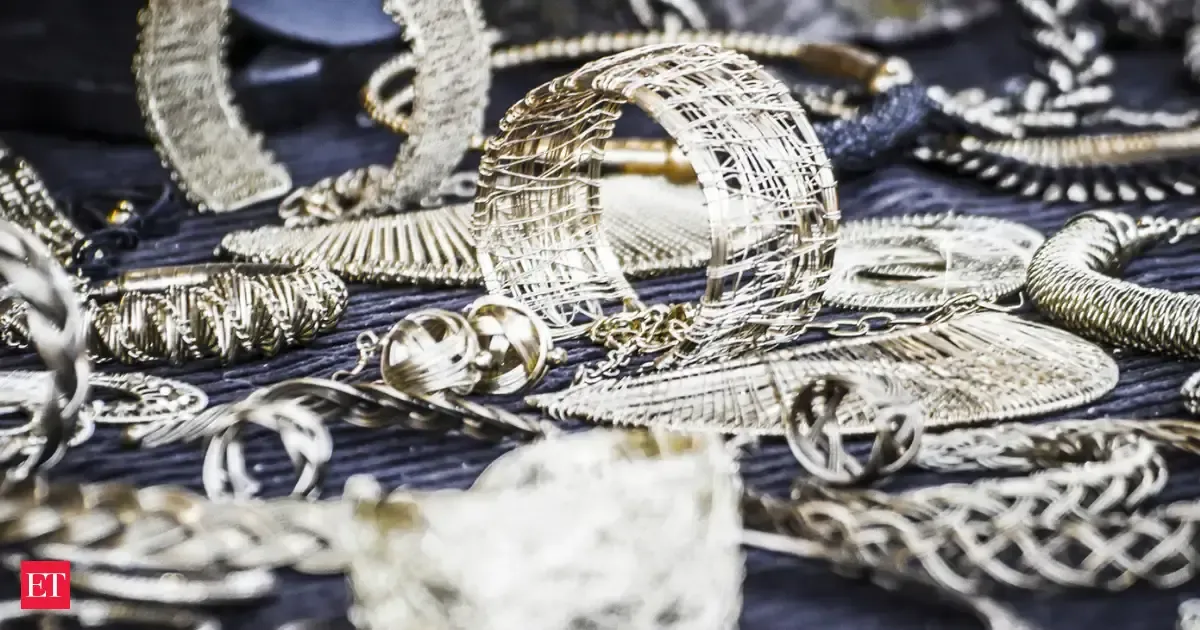
Investigations into silver offerings at the Vaishno Devi Temple revealed that much of the metal donated by devotees contains only 5-6% actual silver, with the remainder comprising toxic metals like cadmium and iron. This adulteration reduces the estimated value of donations from around Rs 500 crore to about Rs 30 crore. Cadmium, banned in consumer goods due to its carcinogenic fumes, poses health risks including lung and kidney damage. Officials suggest local vendors may be the source, with no similar issues reported at other major temples.
Political Bias
17%80%3%
Sentiment
33%
AI Analysis
Political bias across 3 sources
● Left 17%● Center 80%● Right 3%
The articles primarily present factual reporting without evident political framing. They focus on health risks, financial discrepancies, and institutional responses related to the Vaishno Devi silver offerings. The coverage includes official statements and expert warnings, reflecting a neutral stance centered on public safety and accountability rather than political viewpoints.
Sentiment — Negative (33/100)
The tone across the articles is cautionary and concerned, emphasizing health hazards and financial implications of the adulterated silver offerings. While the reporting highlights alarming findings, it maintains an objective approach without sensationalism, focusing on informing readers about potential risks and the scale of the issue.
How 3 sources covered this story
Each source's own headline, political lean, and sentiment — so you can see framing differences at a glance.
| Source | Their headline | Bias | Sentiment |
|---|---|---|---|
| news18 | Not Silver, Vaishno Devi Shrine Offerings Made Of Cheap Metals? How Devotees Can Stay Away From Fakes | Center | Neutral |
| economictimes | Vaishno Devi offerings case exposes toxic metal in silver: How this adulterant, if present in your jewellery, can damage lungs, kidneys raise cancer risk | Center | Negative |
| economictimes | Vaishno Devi 'silver' offerings scam: Mint finds toxic fake metal in donations | Center | Negative |
Coverage timeline
economictimes broke this story on 21 Apr, 12:55 am. Other outlets followed.
- 1economictimes21 Apr, 12:55 amVaishno Devi 'silver' offerings scam: Mint finds toxic fake metal in donations
- 2economictimes21 Apr, 07:29 amVaishno Devi offerings case exposes toxic metal in silver: How this adulterant, if present in your jewellery, can damage lungs, kidneys raise cancer risk
- 3news1821 Apr, 08:54 amNot Silver, Vaishno Devi Shrine Offerings Made Of Cheap Metals? How Devotees Can Stay Away From Fakes
Lens Score breakdown
42/100
Public interest0/100
Coverage gap100%
Story is receiving appropriate media attention relative to public interest.
Accountability flags
TBN's analysis identified the following accountability dimensions in this story.
- financial irregularity
This story involves alleged financial misconduct — unexplained transactions, procurement irregularities, or misuse of public/shareholder funds.
- abuse of power
This story involves alleged misuse of official authority or institutional position to achieve personal or political ends.
- systemic failure
This story points to a failure in institutional processes — regulation, safety, oversight, or service delivery breaking down at scale.
- public safety issue
This story involves a risk to public safety — infrastructure failure, regulatory lapse, hazardous conditions, or emergency mishandling.
- environmental violation
This story involves alleged damage to environment or non-compliance with environmental regulation.
Who's involved
Institutions and figures named across source coverage.
Government
Mata Vaishno Devi Shrine BoardOffice of Manoj SinhaGovernment MintShri Mata Vaishno Devi Shrine BoardJammu Kashmir Lieutenant Governor's Office
Religious
Mata Vaishno Devi Shrine BoardVaishno Devi Temple
Story context
- Category
- Social
- Location
- New Delhi, India
- Sources analysed
- 3
- Last analysed
- 21 Apr 2026
- Key entities
- CadmiumMetalCroreIndian rupeeSilverVaishno DeviTonneShrineBureau of Indian StandardsKöppen climate classificationToxicityThe Economic Times
Related Coverage
Select a news story to see related coverage from other media outlets.