2 hours agoSocial
29LENS
3 SourcesShillong, India
 thebalanced.news
Massive Icefall Obstruction Delays Mount Everest Climbing Season in 2026
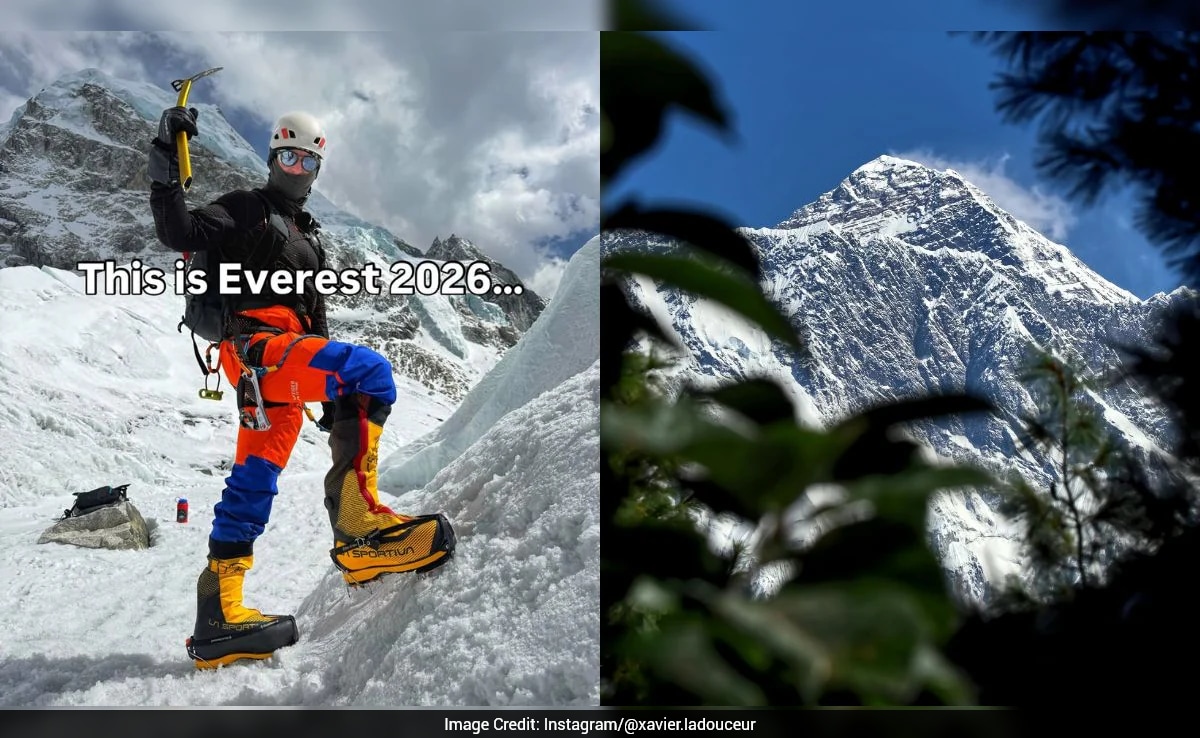
In 2026, climbing Mount Everest faces significant challenges as a massive serac blocks the Khumbu Icefall, the most dangerous section of the route. This obstruction has delayed preparations, leaving hundreds of climbers, including Xavier Ladouceur, stranded at Base Camp awaiting a narrow summit window from May 15-30. Experts warn that a late opening could lead to overcrowding and increased risks. Public reactions include concerns about environmental impact and the ethics of climbing the mountain amid these dangers.
Political Bias
0%100%0%
Sentiment
45%
AI Analysis
Political bias across 3 sources
● Left 0%● Center 100%● Right 0%
The articles primarily present factual updates and climber perspectives without explicit political framing. They include voices from climbers highlighting safety concerns and public comments reflecting environmental and ethical considerations. The coverage balances operational challenges with societal reactions, avoiding partisan viewpoints or political agendas.
Sentiment — Neutral (45/100)
The overall tone is cautious and concerned, focusing on the risks posed by the icefall blockage and potential overcrowding. While climbers express anxiety about safety, public comments introduce critical views on environmental and ethical issues. The sentiment is mixed, combining apprehension about climbing dangers with criticism of human impact on Everest.
How 3 sources covered this story
Each source's own headline, political lean, and sentiment — so you can see framing differences at a glance.
| Source | Their headline | Bias | Sentiment |
|---|---|---|---|
| ndtv | Mountaineers Reopen Everest Route After 2 Week Blockage By Massive Ice Chunk | Center | Neutral |
| thetribune | Is it true not everyone can climb Mount Everest in 2026? - The Tribune | Center | Neutral |
| ndtv | Man Reveals Why Climbing Mount Everest Could Be 'Deadly' This Year: 'It's Race Against Time' | Center | Neutral |
Coverage timeline
ndtv broke this story on 29 Apr, 11:03 am. Other outlets followed.
- 1ndtv29 Apr, 11:03 amMan Reveals Why Climbing Mount Everest Could Be 'Deadly' This Year: 'It's Race Against Time'
- 2thetribune29 Apr, 11:37 amIs it true not everyone can climb Mount Everest in 2026? - The Tribune
- 3ndtv29 Apr, 11:58 amMountaineers Reopen Everest Route After 2 Week Blockage By Massive Ice Chunk
Lens Score breakdown
29/100
Public interest0/100
Coverage gap100%
Well-covered story — coverage matches public importance.
Who's involved
Institutions and figures named across source coverage.
Government
Nepalese Department of Tourism
Story context
- Category
- Social
- Location
- Shillong, India
- Sources analysed
- 3
- Last analysed
- 29 Apr 2026
- Key entities
- Mount EverestSummitSeracKhumbu IcefallClimbingIcefallGlacierInstagramMountainNepalIndiaKrishna
Related Coverage
Select a news story to see related coverage from other media outlets.