4 hours agoSocial
21LENS
2 Sources
 thebalanced.news
Scientists Recognize Insomnia as Independent Disorder Requiring Specific Treatment
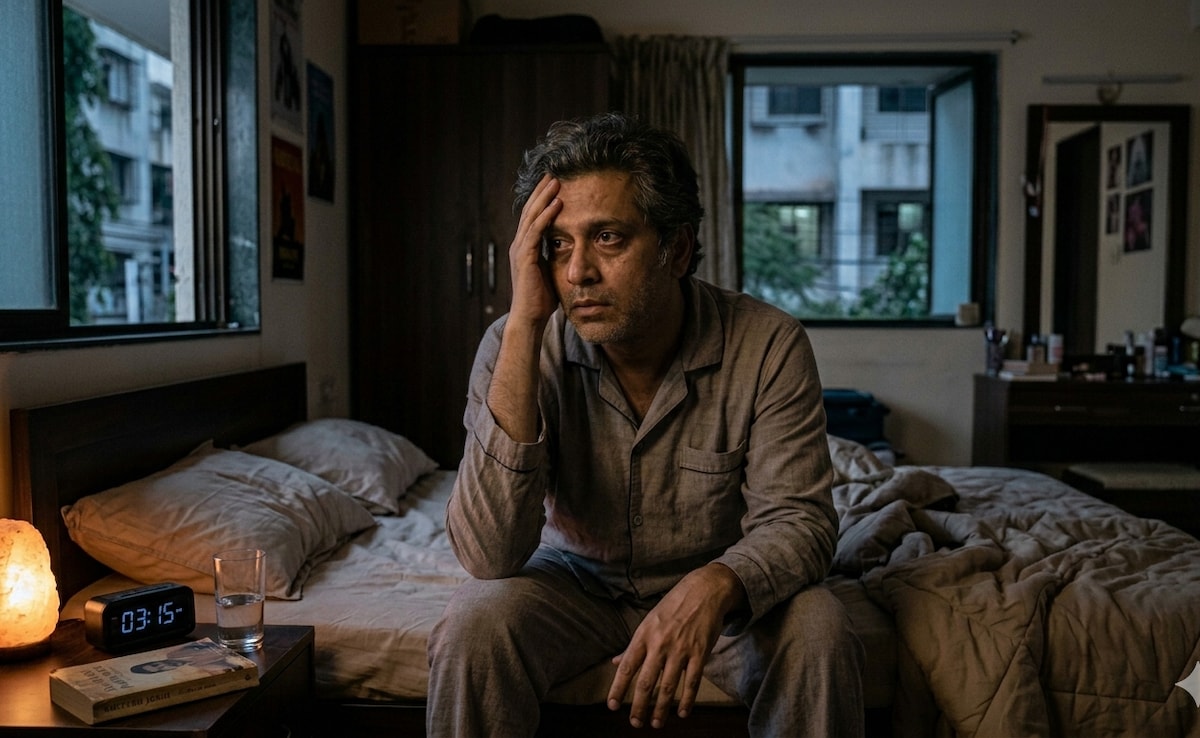
Scientists have revised their understanding of insomnia, now recognizing it as an independent disorder rather than merely a symptom of other conditions. About a third of adults in England report frequent insomnia symptoms, often alongside physical or mental health issues like diabetes, anxiety, or chronic pain. Research since the early 2000s shows that treating insomnia directly can improve both sleep and related health problems, marking a significant shift in clinical approaches.
Political Bias
0%100%0%
Sentiment
68%
AI Analysis
Political bias across 2 sources
● Left 0%● Center 100%● Right 0%
The articles present a scientific and medical perspective without political framing. They focus on research developments and clinical practices regarding insomnia, reflecting health and science viewpoints. There is no evident political bias, as the coverage centers on medical understanding and treatment implications rather than policy or ideological debates.
Sentiment — Positive (68/100)
The tone across the articles is neutral and informative, emphasizing progress in scientific understanding and treatment of insomnia. The sentiment is generally positive regarding advances in research and clinical practice, highlighting potential health benefits without sensationalism or alarm.
How 2 sources covered this story
Each source's own headline, political lean, and sentiment — so you can see framing differences at a glance.
| Source | Their headline | Bias | Sentiment |
|---|---|---|---|
| ndtv | How Scientists Changed Their View Of Insomnia | Center | Neutral |
| news18 | How scientists changed their view of insomnia | Center | Positive |
Coverage timeline
news18 broke this story on 24 Apr, 05:38 am. Other outlets followed.
- 1news1824 Apr, 05:38 amHow scientists changed their view of insomnia
- 2ndtv24 Apr, 06:06 amHow Scientists Changed Their View Of Insomnia
Lens Score breakdown
21/100
Public interest0/100
Coverage gap100%
Well-covered story — coverage matches public importance.
Story context
- Category
- Social
- Sources analysed
- 2
- Last analysed
- 24 Apr 2026
- Key entities
- Sleep deprivationDepression (mood)InsomniaMental disorderChronic painPsychologyDiabetesThyroidHormoneHypertensionAnxietyPost-traumatic stress disorder
Related Coverage
Select a news story to see related coverage from other media outlets.