1 hour agoSocial
27LENS
2 SourcesIndia
 thebalanced.news
Bone Marrow Transplant Advances and Support Highlighted for Thalassemia Treatment
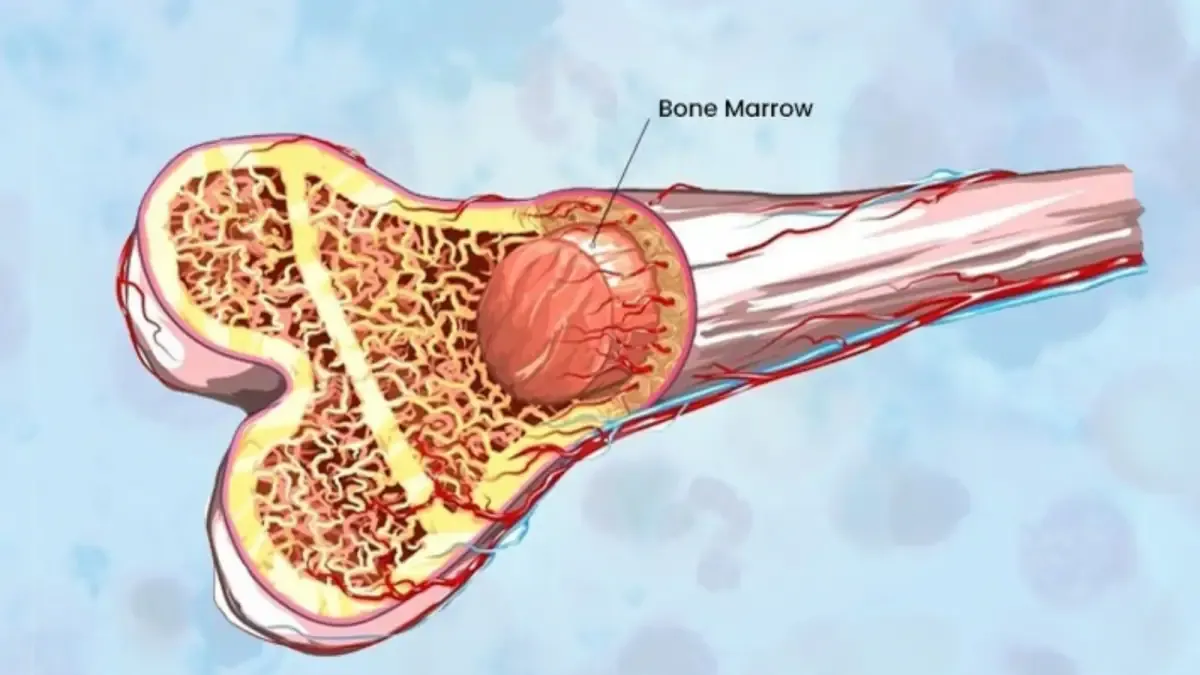
Bone marrow transplant, or haematopoietic stem cell transplant (HSCT), is recognized as the only curative treatment for severe thalassemia, replacing faulty stem cells with healthy donor cells to reduce lifelong transfusion needs. Advances in HSCT have improved outcomes, while initiatives like Apollo Cancer Foundation's Thalassemia Bal Sewa Yojana support economically disadvantaged children. Survivor stories emphasize the importance of early diagnosis, timely treatment, and increased awareness to improve quality of life for thalassemia patients.
Political Bias
0%100%0%
Sentiment
75%
AI Analysis
Political bias across 2 sources
● Left 0%● Center 100%● Right 0%
The articles primarily present medical and humanitarian perspectives, focusing on treatment advances and support programs without political framing. They include voices from healthcare professionals, patient survivors, and charitable initiatives, reflecting a consensus on the need for improved access and awareness. There is no evident partisan or ideological bias, as coverage centers on health outcomes and social support mechanisms.
Sentiment — Positive (75/100)
The overall tone is positive and hopeful, emphasizing medical progress and successful patient recoveries. While acknowledging challenges like financial strain and the need for early diagnosis, the articles highlight supportive programs and survivor experiences that inspire optimism about treatment accessibility and effectiveness.
How 2 sources covered this story
Each source's own headline, political lean, and sentiment — so you can see framing differences at a glance.
| Source | Their headline | Bias | Sentiment |
|---|---|---|---|
| news18 | From Risk to Recovery: What Experts Say About Bone Marrow Transplants in Thalassemia | Center | Positive |
| thehindu | Survivor stories highlight the need for early thalassemia diagnosis and treatment | Center | Positive |
Coverage timeline
thehindu broke this story on 14 May, 06:43 pm. Other outlets followed.
- 1thehindu14 May, 06:43 pmSurvivor stories highlight the need for early thalassemia diagnosis and treatment
- 2news1815 May, 08:59 amFrom Risk to Recovery: What Experts Say About Bone Marrow Transplants in Thalassemia
Lens Score breakdown
27/100
Public interest0/100
Coverage gap100%
Well-covered story — coverage matches public importance.
Who's involved
Institutions and figures named across source coverage.
Corporate
Coal India LtdApollo Speciality HospitalsApollo Cancer Foundation
Story context
- Category
- Social
- Location
- India
- Sources analysed
- 2
- Last analysed
- 15 May 2026
- Key entities
- ThalassemiaBone marrowBlood transfusionOrgan transplantationHemoglobinOncologyStem cellHematopoietic stem cell transplantationIronBoneChelationGenetic disorder
Related Coverage
Select a news story to see related coverage from other media outlets.