1 hour agoSocial
34LENS
3 SourcesArunachal Pradesh, India
 thebalanced.news
Arunachal Pradesh and Nagaland Observe World Malaria Day, Emphasize Elimination Efforts
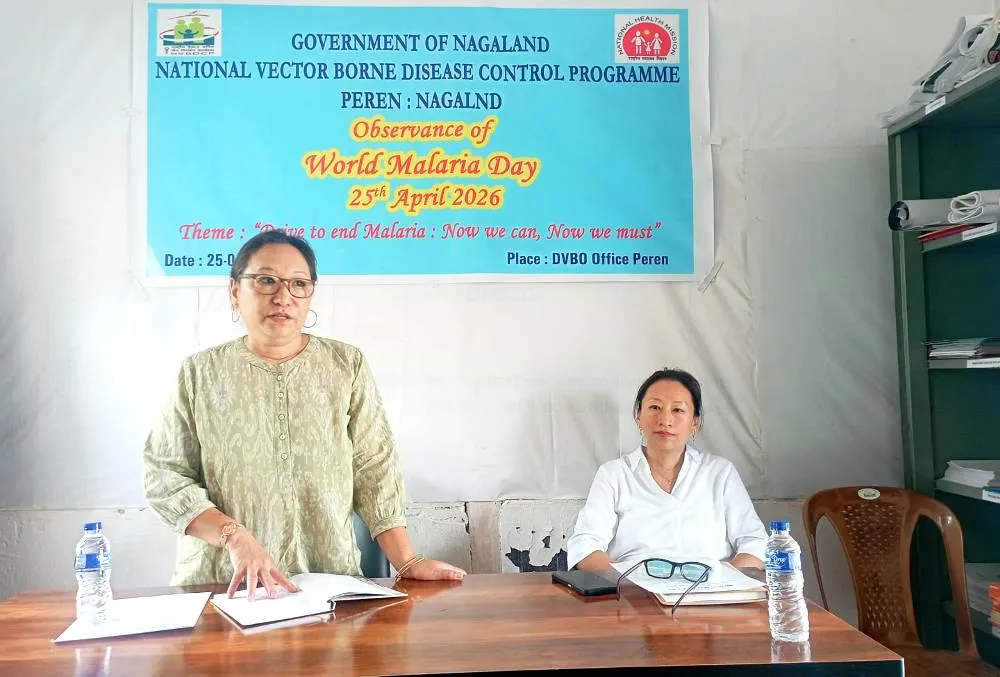
On World Malaria Day, Arunachal Pradesh Chief Minister Pema Khandu highlighted that 19 districts have become malaria-free, with the state moving to a low-burden category in 2022. He urged collective efforts to eliminate malaria by 2030 through preventive measures like using insecticidal nets and eliminating stagnant water. In Nagaland, health officials observed the day by reviewing malaria cases, emphasizing early treatment, awareness, and community participation to control malaria and other vector-borne diseases ahead of the monsoon season.
Political Bias
0%100%0%
Sentiment
73%
AI Analysis
Political bias across 3 sources
● Left 0%● Center 100%● Right 0%
The articles primarily present official government perspectives from Arunachal Pradesh and Nagaland health authorities, focusing on progress and ongoing efforts to eliminate malaria. There is no evident partisan framing; coverage centers on public health initiatives and community involvement, reflecting a consensus on the importance of malaria control without political controversy or opposition viewpoints.
Sentiment — Positive (73/100)
The overall tone across the articles is positive and forward-looking, highlighting achievements such as malaria-free districts and availability of effective treatments. While acknowledging that challenges remain, the coverage emphasizes hope, collective action, and preventive measures, fostering an encouraging sentiment about malaria elimination efforts in the region.
How 3 sources covered this story
Each source's own headline, political lean, and sentiment — so you can see framing differences at a glance.
| Source | Their headline | Bias | Sentiment |
|---|---|---|---|
| arunachaltimesin | CM calls for collective push to eliminate malaria by 2030 | Center | Positive |
| easternmirror | World Malaria Day observed across Nagaland | Center | Positive |
| news18 | Arunachal CM calls for collective push to eliminate malaria by 2030 | Center | Positive |
Coverage timeline
news18 broke this story on 25 Apr, 01:16 pm. Other outlets followed.
- 1news1825 Apr, 01:16 pmArunachal CM calls for collective push to eliminate malaria by 2030
- 2easternmirror25 Apr, 02:51 pmWorld Malaria Day observed across Nagaland
- 3arunachaltimesin25 Apr, 07:57 pmCM calls for collective push to eliminate malaria by 2030
Lens Score breakdown
34/100
Public interest0/100
Coverage gap90%
Well-covered story — coverage matches public importance.
Who's involved
Institutions and figures named across source coverage.
Government
National Vector Borne Disease Control ProgrammeDepartment of Health Services, Arunachal PradeshChief Medical Officer Office WokhaOffice of the Chief Minister of Arunachal PradeshDistrict Hospital MonChief Medical Officer Office LonglengDistrict Hospital PhekArunachal Pradesh Chief Minister OfficeChief Medical Officer Office NoklakNational Centre for Vector Borne Diseases Control
Political
Arunachal Pradesh Chief Minister
Story context
- Category
- Social
- Location
- Arunachal Pradesh, India
- Sources analysed
- 3
- Last analysed
- 25 Apr 2026
- Key entities
- MalariaWorld Malaria DayFeverMosquitoDistrictArunachal PradeshHealth professionalItanagarPema KhanduPersonal protective equipmentHealth departmentNaharlagun
Related Coverage
Select a news story to see related coverage from other media outlets.