2 hours agoSocial
28LENS
2 SourcesUnited States
 thebalanced.news
Study Links Higher Lung Cancer Risk in Young Non-Smokers to Pesticide Exposure on Produce
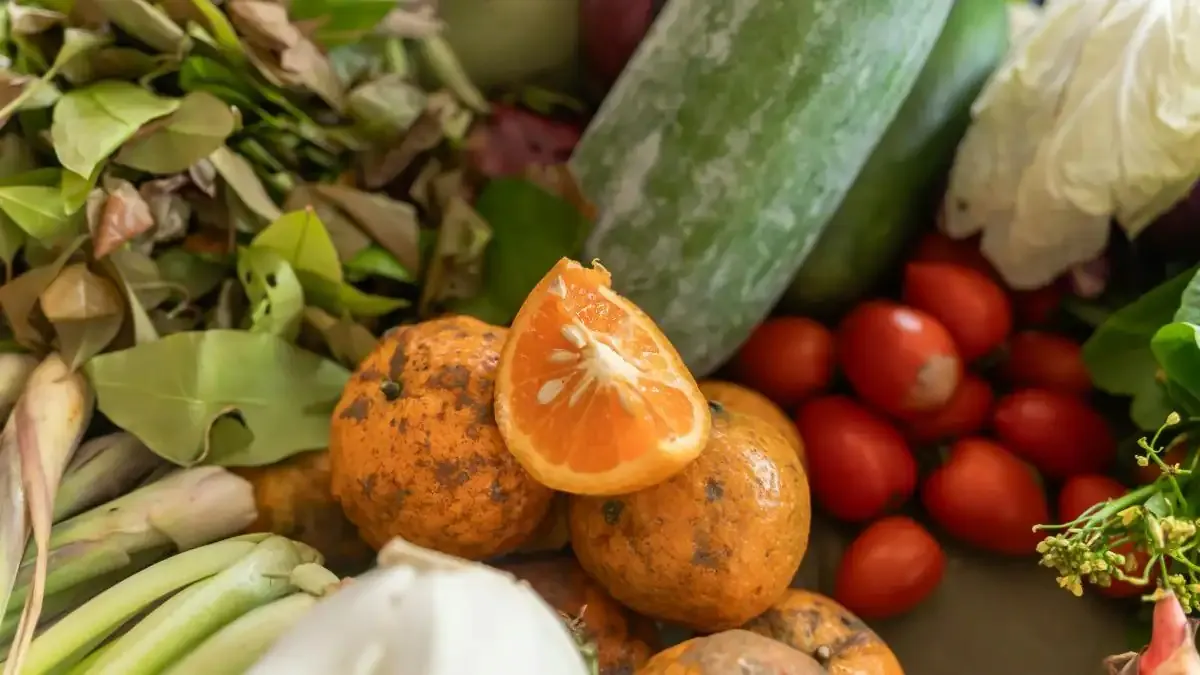
A USC Norris Comprehensive Cancer Center study found that non-smoking Americans under 50, especially women, who consume higher amounts of fruits, vegetables, and whole grains may have an increased risk of lung cancer. Researchers suggest pesticide residues on non-organic produce could be a contributing environmental factor. While these findings raise concerns, experts emphasize that fruits and vegetables remain important for reducing risks of heart disease and other cancers, advising continued consumption.
Political Bias
0%100%0%
Sentiment
45%
AI Analysis
Political bias across 2 sources
● Left 0%● Center 100%● Right 0%
The articles present a scientific study without evident political framing, focusing on health and environmental concerns. They include perspectives from medical researchers and public health experts, emphasizing caution without politicizing the findings. The coverage balances potential risks with established nutritional benefits, reflecting a neutral health science viewpoint rather than political discourse.
Sentiment — Neutral (45/100)
The overall tone is cautious and informative, highlighting a potential health risk while underscoring the continued benefits of healthy eating. The sentiment is mixed, combining concern about pesticide exposure with reassurance about the importance of fruits and vegetables, avoiding alarmism and encouraging balanced understanding.
How 2 sources covered this story
Each source's own headline, political lean, and sentiment — so you can see framing differences at a glance.
| Source | Their headline | Bias | Sentiment |
|---|---|---|---|
| firstpost | Pesticides on healthy food may be giving young women cancer | Center | Neutral |
| wion | Study links fruits and vegetables to lung cancer in non-smokers, but the real culprit could be something else | Center | Neutral |
Coverage timeline
wion broke this story on 23 Apr, 01:55 pm. Other outlets followed.
- 1wion23 Apr, 01:55 pmStudy links fruits and vegetables to lung cancer in non-smokers, but the real culprit could be something else
- 2firstpost24 Apr, 05:34 amPesticides on healthy food may be giving young women cancer
Lens Score breakdown
28/100
Public interest0/100
Coverage gap100%
Well-covered story — coverage matches public importance.
Story context
- Category
- Social
- Location
- United States
- Sources analysed
- 2
- Last analysed
- 24 Apr 2026
- Key entities
- Whole grainPesticideUniversity of Southern CaliforniaCancerLung cancerFruitVegetableSmokingUnited StatesAmino acidPublic healthCohort study
Related Coverage
Select a news story to see related coverage from other media outlets.