1 hour agoSocial
30LENS
2 SourcesUtah, United States
 thebalanced.news
Camera Trap Survey Confirms Leopard Presence in Sukhna Wildlife Sanctuary
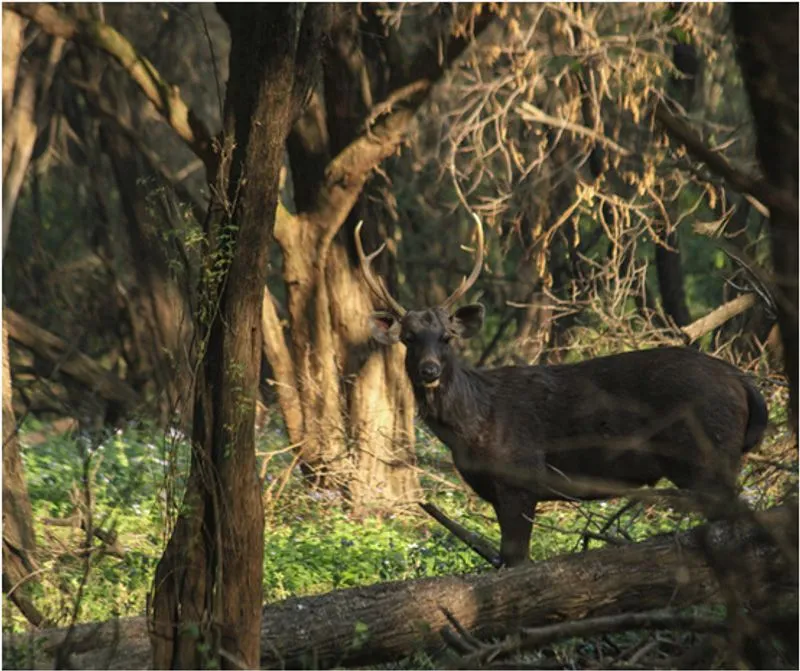
A week-long biodiversity survey from November 20 to 27, 2025, in Chandigarh's Sukhna Wildlife Sanctuary confirmed the presence of two adult male leopards through camera trap images, marking the first scientific documentation of these apex predators in the area. Conducted by the Department of Forest and Wildlife with the Wildlife Institute of India, the survey also recorded diverse flora and fauna, including 79 plant species, 13 herpetofaunal species, 73 butterfly species, and 132 bird species, highlighting the sanctuary's ecological significance and healthy habitat conditions.
Political Bias
0%100%0%
Sentiment
75%
AI Analysis
Political bias across 2 sources
● Left 0%● Center 100%● Right 0%
The articles present a primarily ecological and scientific perspective, focusing on wildlife conservation and biodiversity without evident political framing. They include official statements from forest authorities and expert opinions, emphasizing environmental health and habitat protection. The coverage avoids political controversy, instead highlighting collaborative efforts between government departments and research institutions.
Sentiment — Positive (75/100)
The overall tone across the articles is positive, emphasizing the ecological significance of confirming leopard presence as an indicator of a healthy ecosystem. The language reflects optimism about conservation efforts and the sanctuary's role as a secure habitat, with no negative or contentious sentiment detected.
How 2 sources covered this story
Each source's own headline, political lean, and sentiment — so you can see framing differences at a glance.
| Source | Their headline | Bias | Sentiment |
|---|---|---|---|
| hindustantimes | Camera traps find leopard presence in Sukhna Wildlife Sanctuary | Center | Positive |
| thetribune | Two leopards spotted in Sukhna Wildlife Sanctuary during survey - The Tribune | Center | Positive |
Coverage timeline
thetribune broke this story on 22 May, 07:45 pm. Other outlets followed.
- 1thetribune22 May, 07:45 pmTwo leopards spotted in Sukhna Wildlife Sanctuary during survey - The Tribune
- 2hindustantimes23 May, 03:04 amCamera traps find leopard presence in Sukhna Wildlife Sanctuary
Lens Score breakdown
30/100
Public interest0/100
Coverage gap100%
Well-covered story — coverage matches public importance.
Who's involved
Institutions and figures named across source coverage.
Government
Department of Forest and Wildlife, UTDepartment of Forest Wildlife
Story context
- Category
- Social
- Location
- Utah, United States
- Sources analysed
- 2
- Last analysed
- 23 May 2026
- Key entities
- LeopardCamera trapWildlife Institute of IndiaEcologyWildlifeChandigarhSukhna Wildlife SanctuarySpeciesButterflyShrubVegetationNature reserve
Related Coverage
Select a news story to see related coverage from other media outlets.