2 hours agoSocial
33LENS
2 SourcesTamil Nadu, India
 thebalanced.news
Olive Ridley Turtle Conservation Efforts Advance in Tamil Nadu and Odisha in 2026
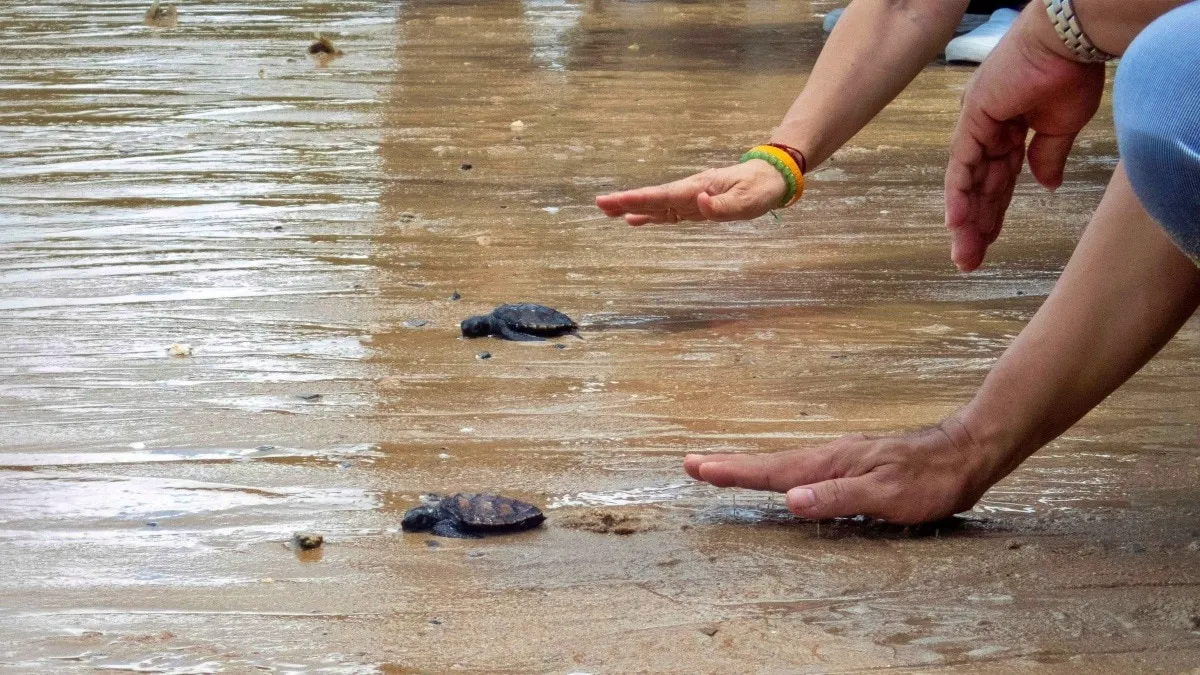
The 2026 Olive Ridley turtle nesting season in India shows significant conservation progress. Tamil Nadu recorded 1,985 nests and protected around 229,000 eggs, releasing 165,000 hatchlings with reduced mortality. Meanwhile, Odisha's Rushikulya river mouth saw over 250,000 eggs safeguarded, supporting hatchlings' journey to the sea amid challenges like artificial lighting. Both regions highlight coordinated efforts involving forest officials and local communities to enhance hatchling survival and protect critical nesting habitats.
Political Bias
0%100%0%
Sentiment
75%
AI Analysis
Political bias across 2 sources
● Left 0%● Center 100%● Right 0%
The articles primarily present government and environmental officials' perspectives, emphasizing conservation achievements without political framing. They highlight collaboration between authorities and local communities, focusing on ecological outcomes rather than political debate. The coverage is factual and centered on environmental management, with no evident partisan viewpoints or policy controversies.
Sentiment — Positive (75/100)
The tone across the articles is generally positive, celebrating successful conservation milestones and reduced turtle mortality. While acknowledging ongoing challenges like hatchling vulnerability and environmental threats, the coverage maintains an optimistic outlook on protection efforts and community involvement, reflecting hope and progress in wildlife preservation.
How 2 sources covered this story
Each source's own headline, political lean, and sentiment — so you can see framing differences at a glance.
| Source | Their headline | Bias | Sentiment |
|---|---|---|---|
| indiatoday | 2,29,000 eggs on Tamil Nadu beaches: How many Olive Ridley turtles survived? | Center | Positive |
| indiatoday | Watch: Olive Ridley hatchlings head to sea, begin daring journey from India | Center | Positive |
Coverage timeline
indiatoday broke this story on 7 May, 07:24 am. Other outlets followed.
- 1indiatoday7 May, 07:24 amWatch: Olive Ridley hatchlings head to sea, begin daring journey from India
- 2indiatoday7 May, 12:13 pm2,29,000 eggs on Tamil Nadu beaches: How many Olive Ridley turtles survived?
Lens Score breakdown
33/100
Public interest0/100
Coverage gap100%
Well-covered story — coverage matches public importance.
Who's involved
Institutions and figures named across source coverage.
Government
Coast GuardTamil Nadu Forest DepartmentAdditional Chief Secretary for Environment, Climate Change and Forests, Tamil NaduForest Department
Story context
- Category
- Social
- Location
- Tamil Nadu, India
- Sources analysed
- 2
- Last analysed
- 7 May 2026
- Key entities
- HatchlingEggOlive ridley sea turtleTurtleSea turtleOdishaHabitatBeachTamil NaduHatcheryKöppen climate classificationChennai
Related Coverage
Select a news story to see related coverage from other media outlets.