2 hours agoSocial
28LENS
2 SourcesBadrinath, India
 thebalanced.news
Badrinath Temple Traditions and Beliefs Including Conch Blowing Prohibition
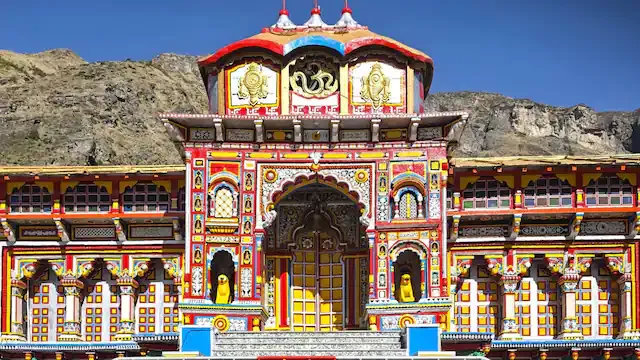
Badrinath Temple, a revered Hindu pilgrimage site in the Himalayas, is dedicated to Lord Vishnu, who is believed to meditate there for six months annually. Unique traditions include prohibiting conch blowing, considered inauspicious locally, and maintaining an eternal lamp that reportedly burns even during the temple's winter closure. The temple's location between Nar and Narayan Mountains holds mythological significance, with legends explaining its spiritual importance and rituals observed by devotees.
Political Bias
0%100%0%
Sentiment
70%
AI Analysis
Political bias across 2 sources
● Left 0%● Center 100%● Right 0%
The articles focus on religious and cultural aspects of Badrinath Temple without engaging in political discourse. They present traditional beliefs and local customs neutrally, emphasizing spiritual significance and pilgrimage practices. The coverage reflects cultural heritage perspectives without political framing or partisan viewpoints.
Sentiment — Positive (70/100)
The tone across the articles is respectful and informative, highlighting the temple's sacred status and unique customs. The sentiment is generally positive, emphasizing faith, devotion, and the temple's mystical elements, while avoiding criticism or controversy.
How 2 sources covered this story
Each source's own headline, political lean, and sentiment — so you can see framing differences at a glance.
| Source | Their headline | Bias | Sentiment |
|---|---|---|---|
| english | Badrinath Dham: Legends, Mysteries, Beliefs And All You Need To Know About This Sacred Temple | Center | Positive |
| freepressjournal | Why You Can't Blow A Conch At Badrinath Dham: The Reason Explained | Center | Neutral |
Coverage timeline
freepressjournal broke this story on 23 Apr, 12:37 pm. Other outlets followed.
- 1freepressjournal23 Apr, 12:37 pmWhy You Can't Blow A Conch At Badrinath Dham: The Reason Explained
- 2english24 Apr, 05:31 amBadrinath Dham: Legends, Mysteries, Beliefs And All You Need To Know About This Sacred Temple
Lens Score breakdown
28/100
Public interest0/100
Coverage gap100%
Well-covered story — coverage matches public importance.
Story context
- Category
- Social
- Location
- Badrinath, India
- Sources analysed
- 2
- Last analysed
- 24 Apr 2026
- Key entities
- VishnuBadrinathLakshmiTempleConchHinduismPilgrimageShrineMeditationHimalayasBadrinath TempleVaikuntha
Related Coverage
Select a news story to see related coverage from other media outlets.