3 hours agoSocial
32LENS
2 SourcesKarnataka, India
 thebalanced.news
LPG Shortages Impact Karnataka Households; Maharashtra Village Adopts Biogas Alternative
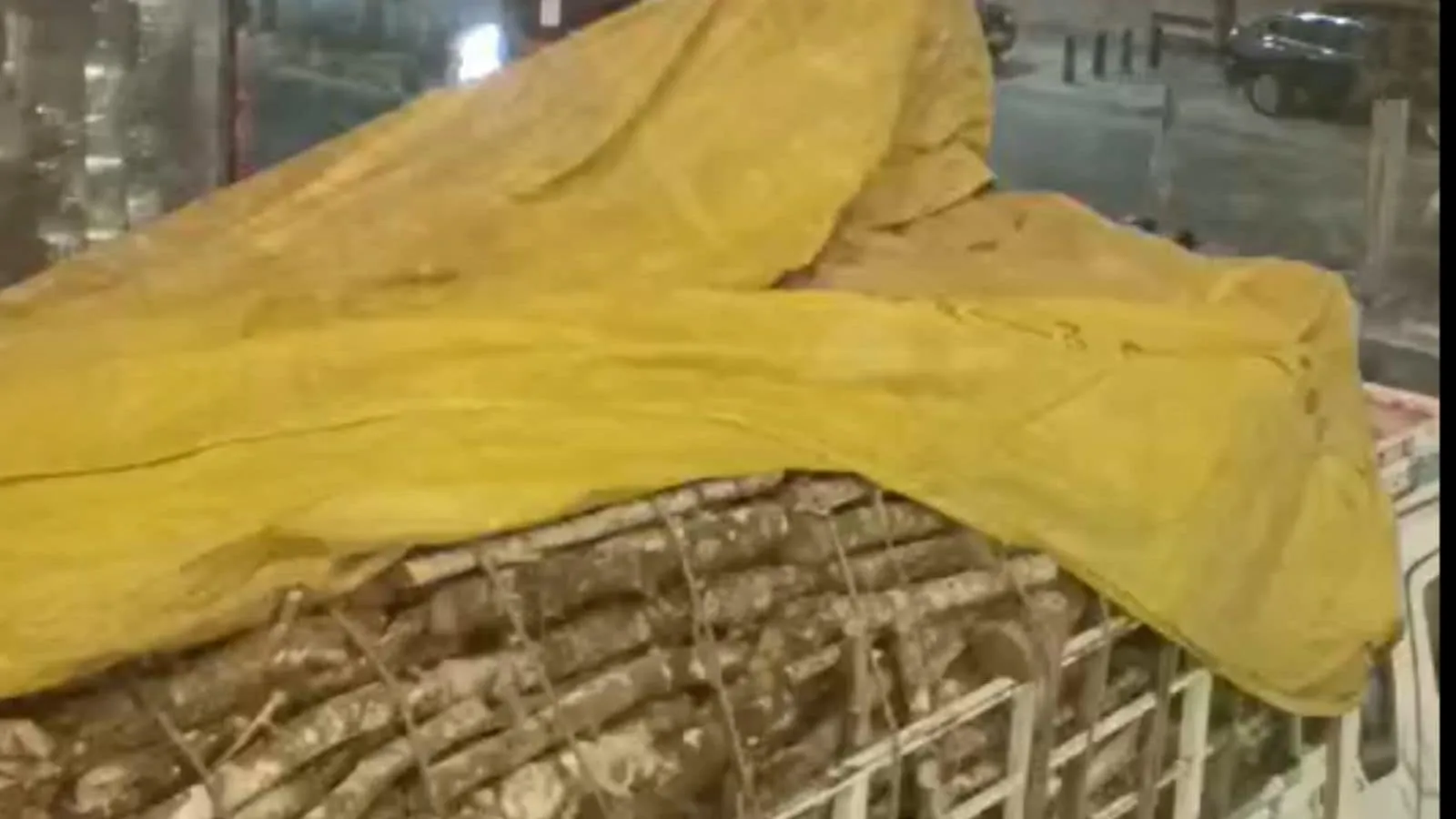
Amid LPG shortages linked to the West Asia conflict, low-income households in Karnataka face cooking challenges, often resorting to wood fires and reducing meal frequency due to delayed cylinder deliveries and high black-market prices. In contrast, a village in Maharashtra's Kolhapur district has adopted biogas systems using local waste, providing a steady, clean cooking fuel alternative supported by government subsidies, which helps residents avoid LPG-related disruptions and health issues from smoke.
Political Bias
25%70%5%
Sentiment
52%
AI Analysis
Political bias across 2 sources
● Left 25%● Center 70%● Right 5%
The articles present perspectives focusing on the socioeconomic impact of LPG shortages without partisan framing. One highlights struggles of low-income families in Karnataka, while the other emphasizes government-supported biogas adoption in Maharashtra. Both sources frame the issue around energy access and adaptation, reflecting concerns over supply disruptions and alternative solutions without political bias.
Sentiment — Neutral (52/100)
The coverage combines concern and resilience, portraying the difficulties faced by vulnerable populations due to LPG scarcity alongside positive developments in sustainable energy adoption. The tone is largely neutral, balancing hardship narratives with examples of innovation and government support, resulting in a mixed but informative sentiment.
How 2 sources covered this story
Each source's own headline, political lean, and sentiment — so you can see framing differences at a glance.
| Source | Their headline | Bias | Sentiment |
|---|---|---|---|
| economictimes | No LPG, no worry: This village in Kolhapur cooks food without cylinders, wood or coal | Center | Positive |
| indianexpress | 'We cook once a day': How Karnataka low-income households are changing food habits amid LPG shortage | Center | Negative |
Coverage timeline
indianexpress broke this story on 28 Apr, 05:55 am. Other outlets followed.
- 1indianexpress28 Apr, 05:55 am'We cook once a day': How Karnataka low-income households are changing food habits amid LPG shortage
- 2economictimes28 Apr, 11:05 amNo LPG, no worry: This village in Kolhapur cooks food without cylinders, wood or coal
Lens Score breakdown
32/100
Public interest0/100
Coverage gap100%
Well-covered story — coverage matches public importance.
Who's involved
Institutions and figures named across source coverage.
Government
Ministry of Petroleum and Natural GasCentral GovernmentKolhapur Zilla Parishad
Political
Karnataka Chief Minister
Story context
- Category
- Social
- Location
- Karnataka, India
- Sources analysed
- 2
- Last analysed
- 28 Apr 2026
- Key entities
- Liquefied petroleum gasWestern AsiaFirewoodMonsoonMigrant workerKarnatakaBlack marketIndian rupeeBangaloreShivaChief ministerVaruna
Related Coverage
Select a news story to see related coverage from other media outlets.