1 hour agoSocial
26LENS
2 SourcesIndia
 thebalanced.news
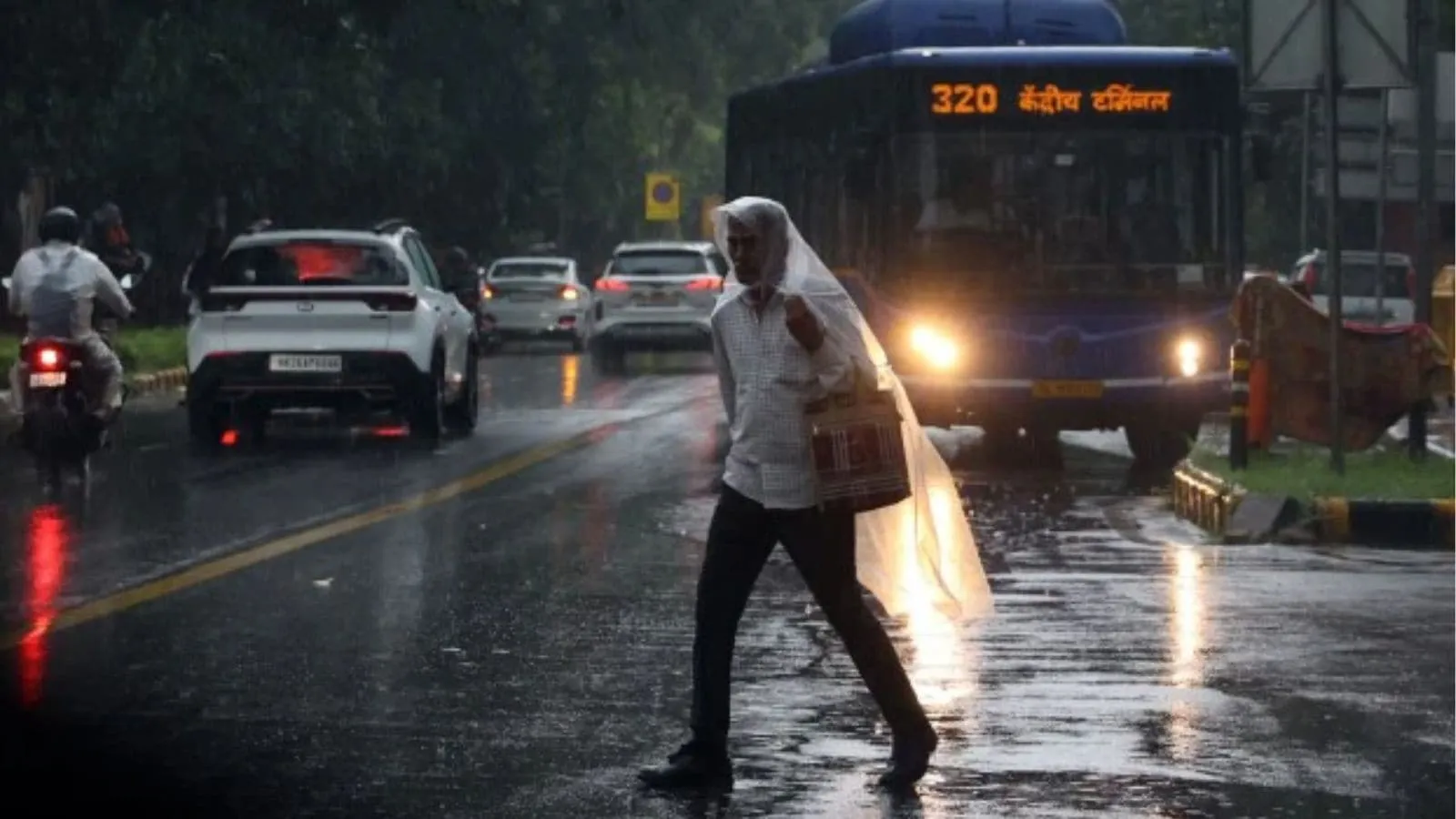
India Faces Below-Normal Monsoon and Agricultural Challenges Amid Super El Niño
The India Meteorological Department forecasts a below-normal monsoon for 2026, with rainfall expected at 92% of the long period average, influenced by a developing Super El Niño. This pattern may lead to drier conditions and erratic weather, posing challenges for farmers amid ongoing heatwaves and disrupted agricultural inputs due to geopolitical tensions. Experts highlight the need to address water stress and reconsider reliance on industrial agriculture to enhance resilience and food security.
Political Bias
20%72%8%
Sentiment
42%
AI Analysis
Political bias across 2 sources
● Left 20%● Center 72%● Right 8%
The articles present a largely factual and policy-focused perspective, emphasizing meteorological data and agricultural impacts without partisan framing. They include government forecasts and expert analysis, highlighting systemic issues like water stress and agricultural dependency. The coverage reflects concerns from both scientific and socio-economic viewpoints, without overt political bias or alignment.
Sentiment — Neutral (42/100)
The overall tone is cautionary and serious, reflecting concerns about adverse weather conditions and their implications for agriculture and food security. While the sentiment is predominantly negative due to anticipated challenges, it also includes constructive elements urging preparedness and systemic change, resulting in a balanced but concerned coverage.
How 2 sources covered this story
Each source's own headline, political lean, and sentiment — so you can see framing differences at a glance.
| Source | Their headline | Bias | Sentiment |
|---|---|---|---|
| indianexpress | This year's likely below-normal monsoon is one more warning: India must pay heed to water stress | Center | Neutral |
| firstpost | Super El Niño, heatwave and fertiliser crisis: India must go beyond Green Revolution | Center | Neutral |
Coverage timeline
firstpost broke this story on 30 Apr, 05:02 pm. Other outlets followed.
- 1firstpost30 Apr, 05:02 pmSuper El Niño, heatwave and fertiliser crisis: India must go beyond Green Revolution
- 2indianexpress1 May, 12:41 amThis year's likely below-normal monsoon is one more warning: India must pay heed to water stress
Lens Score breakdown
26/100
Public interest0/100
Coverage gap100%
Well-covered story — coverage matches public importance.
Who's involved
Institutions and figures named across source coverage.
Government
PM-PRANAM schemeIndia Meteorological DepartmentIndian Meteorological DepartmentMinistry of Earth SciencesDistrict CollectorsAgriculture Officers
Story context
- Category
- Social
- Location
- India
- Sources analysed
- 2
- Last analysed
- 1 May 2026
- Key entities
- El NiñoMonsoonIndiaIndia Meteorological DepartmentIndian Ocean DipoleEl Niño–Southern OscillationLa NiñaEurasiaSnowPacific OceanCorrelationDistrict
Related Coverage
Select a news story to see related coverage from other media outlets.