1 hour agoSocial
38LENS
3 SourcesKerala, India
 thebalanced.news
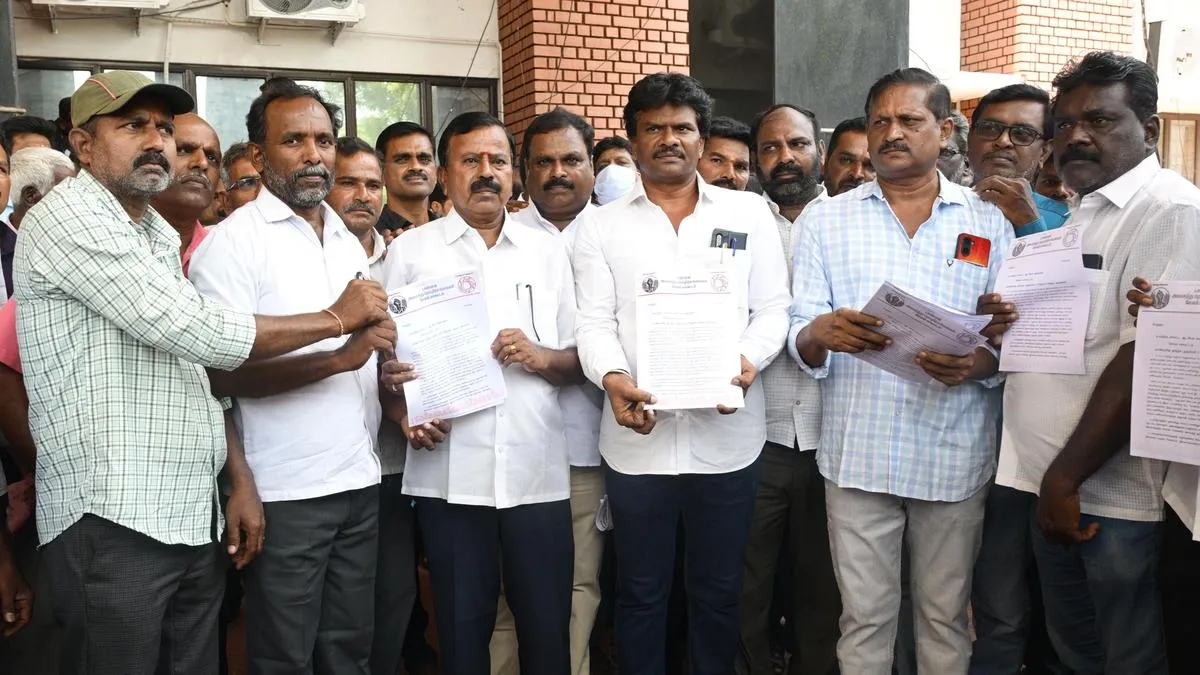
Tasmac Employees Protest Over Work Conditions and Bottle Buy-Back Scheme in Tamil Nadu
Tasmac employees in Tamil Nadu have protested against new government policies affecting their work conditions. Staff in Salem and Erode raised concerns over early shop closing times, increased workload due to an empty bottle buy-back scheme, and lack of salary revisions. Employees argue that the buy-back scheme and outlet closures have intensified pressure without additional staffing. Meanwhile, the government is addressing overcharging allegations linked to the scheme, which has drawn public attention and affected workers' reputations.
Political Bias
52%43%5%
Sentiment
30%
AI Analysis
Political bias across 3 sources
● Left 52%● Center 43%● Right 5%
The articles primarily present perspectives from Tasmac employees and unions highlighting grievances about government policies, while also noting government actions against overcharging. Coverage reflects concerns from labor groups and some public viewpoints, with limited direct government statements. The framing centers on employee welfare and administrative challenges without overt political alignment, focusing on policy impacts and stakeholder responses.
Sentiment — Negative (30/100)
The overall tone is mixed, combining employee frustration and protest with factual reporting on government measures. Workers express dissatisfaction and stress due to increased workload and policy enforcement, while public reactions to overcharging add complexity. The sentiment balances criticism of administrative decisions with acknowledgment of ongoing efforts to regulate the sector.
How 3 sources covered this story
Each source's own headline, political lean, and sentiment — so you can see framing differences at a glance.
| Source | Their headline | Bias | Sentiment |
|---|---|---|---|
| thehindu | Tasmac unions in Salem threaten protest over staff welfare, shop timing issues | Left | Negative |
| thehindu | Tasmac employees shut shops in Erode, seek withdrawal of bottle buy-back scheme | Center | Neutral |
| thehindu | 10 overcharge: At TASMAC outlets, low-paid workers bear cost of administrative failure | Left | Negative |
Coverage timeline
thehindu broke this story on 25 May, 07:24 am. Other outlets followed.
- 1thehindu25 May, 07:24 am10 overcharge: At TASMAC outlets, low-paid workers bear cost of administrative failure
- 2thehindu25 May, 01:18 pmTasmac employees shut shops in Erode, seek withdrawal of bottle buy-back scheme
- 3thehindu25 May, 01:23 pmTasmac unions in Salem threaten protest over staff welfare, shop timing issues
Lens Score breakdown
38/100
Public interest0/100
Coverage gap90%
Story is receiving appropriate media attention relative to public interest.
Accountability flags
TBN's analysis identified the following accountability dimensions in this story.
- financial irregularity
This story involves alleged financial misconduct — unexplained transactions, procurement irregularities, or misuse of public/shareholder funds.
- systemic failure
This story points to a failure in institutional processes — regulation, safety, oversight, or service delivery breaking down at scale.
- rights violation
This story involves alleged violations of constitutional or human rights — freedom of expression, due process, custodial rights, minority rights.
Who's involved
Institutions and figures named across source coverage.
Government
MinisterCollectorTASMAC DepartmentDistrict AdministrationState GovernmentTamilaga Vettri Kazhagam
Political
Tamilaga Vettri KazhagamAITUCViduthalai Chiruthaigal KatchiTamil Nadu TASMAC Employees Union
Judiciary
Madras High Court
Story context
- Category
- Social
- Location
- Kerala, India
- Sources analysed
- 3
- Last analysed
- 25 May 2026
- Key entities
- LiquorIndian rupeeElectricityTamil NaduStates and union territories of IndiaTASMACWelfareAccountingKeralaFirst information reportViduthalai Chiruthaigal KatchiPudukkottai
Related Coverage
Select a news story to see related coverage from other media outlets.