2 hours agoSocial
29LENS
2 SourcesIndia
 thebalanced.news
Rising Heat in India Linked to Increased Kidney Stone Cases Due to Dehydration
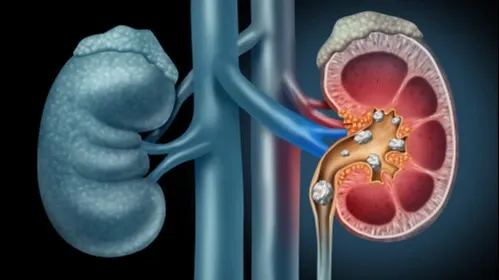
As India experiences rising temperatures, doctors report an increase in kidney stone cases linked to dehydration, affecting both outdoor workers and those in air-conditioned environments. Experts explain that fluid loss, even without visible sweating, concentrates urine and promotes mineral crystallization, potentially forming stones within days. Northern regions, known as the 'kidney stone belt,' face higher risks. Medical professionals emphasize the importance of adequate hydration to prevent complications such as infections and kidney damage amid intensifying heatwaves.
Political Bias
0%100%0%
Sentiment
58%
AI Analysis
Political bias across 2 sources
● Left 0%● Center 100%● Right 0%
The articles primarily present medical and scientific perspectives without political framing. They focus on health risks associated with environmental factors like heat and dehydration, citing medical experts and regional data. There is no evident political viewpoint or partisan interpretation, as the coverage centers on public health concerns and expert advice.
Sentiment — Neutral (58/100)
The tone across the articles is cautionary and informative, highlighting health risks posed by rising temperatures and dehydration. While the coverage underscores potential dangers and increasing cases, it also offers preventive guidance, resulting in a balanced, neutral sentiment focused on awareness rather than alarm.
How 2 sources covered this story
Each source's own headline, political lean, and sentiment — so you can see framing differences at a glance.
| Source | Their headline | Bias | Sentiment |
|---|---|---|---|
| indiatoday | Air-conditioned spaces, rising kidney stones: The summer trap inside | Center | Neutral |
| indiatoday | Dehydration in extreme heat may trigger kidney stones within days | Center | Neutral |
Coverage timeline
indiatoday broke this story on 28 Apr, 06:20 am. Other outlets followed.
- 1indiatoday28 Apr, 06:20 amDehydration in extreme heat may trigger kidney stones within days
- 2indiatoday29 Apr, 03:09 amAir-conditioned spaces, rising kidney stones: The summer trap inside
Lens Score breakdown
29/100
Public interest0/100
Coverage gap100%
Well-covered story — coverage matches public importance.
Story context
- Category
- Social
- Location
- India
- Sources analysed
- 2
- Last analysed
- 29 Apr 2026
- Key entities
- Kidney stone diseaseUrinePerspirationDehydrationIndiaOxalateNephrologyCalciumMineralSaltUrologyPrevalence
Related Coverage
Select a news story to see related coverage from other media outlets.