2 hours agoSocial
42LENS
3 SourcesGuwahati, India
 thebalanced.news
Heavy Pre-Monsoon Rainfall Causes Flooding in Guwahati Amid Climate Change Discussion
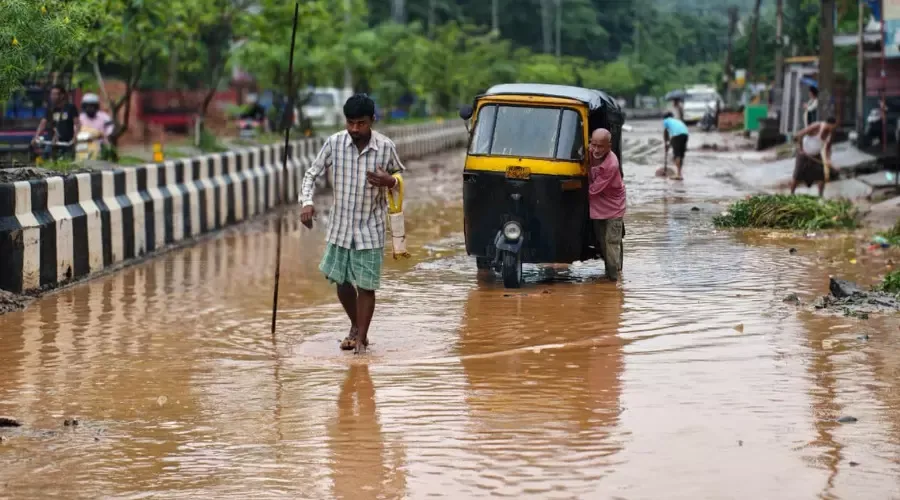
On April 19, Guwahati experienced heavy pre-monsoon rainfall causing widespread flooding, waterlogging, and one fatality. Areas previously unaffected by urban flooding were submerged, highlighting strained drainage systems. While such intense rainfall aligns with global trends linked to climate change, the India Meteorological Department's Regional Meteorological Centre in Guwahati stated this event was not unusual for the pre-monsoon season, emphasizing that attributing it directly to climate change remains complex.
Political Bias
10%85%5%
Sentiment
43%
AI Analysis
Political bias across 3 sources
● Left 10%● Center 85%● Right 5%
The articles primarily present scientific and local administrative perspectives without evident political framing. They include expert views from the India Meteorological Department and reference global climate change reports, maintaining a focus on factual reporting. There is no partisan commentary or political stakeholder input, resulting in a neutral presentation centered on environmental and infrastructural aspects.
Sentiment — Neutral (43/100)
The overall tone is factual and measured, reporting on the flooding's impact and expert assessments without sensationalism. While the event's disruption and fatality are noted, the coverage balances concern with scientific caution regarding climate change attribution. This results in a mixed but predominantly neutral sentiment, emphasizing information over emotional response.
How 3 sources covered this story
Each source's own headline, political lean, and sentiment — so you can see framing differences at a glance.
| Source | Their headline | Bias | Sentiment |
|---|---|---|---|
| theassamtribune | Is climate change making Guwahati more vulnerable to pre-monsoon rains ? | Center | Neutral |
| theassamtribune | Is climate change making Guwahati more vulnerable to extreme pre-monsoon rainfall? | Center | Neutral |
| theassamtribune | Is climate change making Guwahati more vulnerable to extreme April rainfall? | Center | Neutral |
Coverage timeline
theassamtribune broke this story on 29 Apr, 10:41 am. Other outlets followed.
- 1theassamtribune29 Apr, 10:41 amIs climate change making Guwahati more vulnerable to extreme April rainfall?
- 2theassamtribune29 Apr, 12:08 pmIs climate change making Guwahati more vulnerable to extreme pre-monsoon rainfall?
- 3theassamtribune29 Apr, 12:15 pmIs climate change making Guwahati more vulnerable to pre-monsoon rains ?
Lens Score breakdown
42/100
Public interest17/100
Coverage gap90%
Story is receiving appropriate media attention relative to public interest.
Accountability flags
TBN's analysis identified the following accountability dimensions in this story.
- systemic failure
This story points to a failure in institutional processes — regulation, safety, oversight, or service delivery breaking down at scale.
- public safety issue
This story involves a risk to public safety — infrastructure failure, regulatory lapse, hazardous conditions, or emergency mishandling.
- environmental violation
This story involves alleged damage to environment or non-compliance with environmental regulation.
Who's involved
Institutions and figures named across source coverage.
Government
India Meteorological DepartmentRegional Meteorological CentreRegional Meteorological Centre, Guwahati
Story context
- Category
- Social
- Location
- Guwahati, India
- Sources analysed
- 3
- Last analysed
- 29 Apr 2026
- Key entities
- Waterlogging (agriculture)Extreme weatherFlash floodClimate changeGuwahatiCloudburstUrban floodingEffects of climate changeHeat waveIndia Meteorological DepartmentMonsoonCyclone
Related Coverage
Select a news story to see related coverage from other media outlets.