2 hours agoSocial
29LENS
2 SourcesUnited States
 thebalanced.news
Studies Highlight Bacterial Contamination and Hygiene Risks in Kitchen Sponges
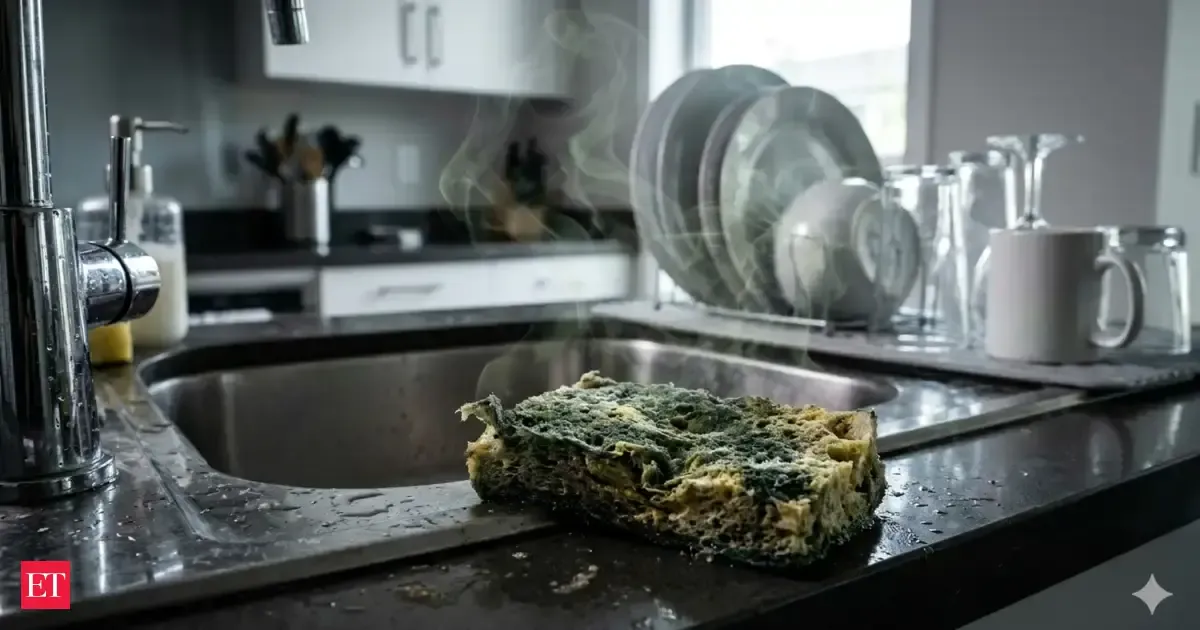
Kitchen sponges commonly used for cleaning harbor billions of bacteria, including harmful pathogens like B. cereus and S. aureus. Research shows these microbes form protective biofilms deep within the sponge, making them resistant to typical cleaning methods. This microbial presence can cause unpleasant odors and pose risks of spreading germs across kitchen surfaces. Experts recommend frequent sponge replacement, thorough drying, or avoiding sponges to maintain kitchen hygiene and reduce contamination.
Political Bias
0%100%0%
Sentiment
50%
AI Analysis
Political bias across 2 sources
● Left 0%● Center 100%● Right 0%
The articles focus on scientific findings and health advice without political framing. They present research from academic sources and expert recommendations, reflecting a neutral, health-oriented perspective. There is no evident political viewpoint or partisan framing, as the content centers on consumer safety and microbiological facts.
Sentiment — Neutral (50/100)
The overall tone is cautionary and informative, emphasizing potential health risks associated with kitchen sponges. While the coverage highlights concerns about bacterial contamination and cleaning challenges, it also offers practical advice for mitigation. The sentiment is balanced, aiming to raise awareness without sensationalism.
How 2 sources covered this story
Each source's own headline, political lean, and sentiment — so you can see framing differences at a glance.
| Source | Their headline | Bias | Sentiment |
|---|---|---|---|
| economictimes | Why Your Kitchen Sponge Might Be Making Everything Smell Worse | Center | Neutral |
| economictimes | Is Your Kitchen Sponge Spreading More Than It Cleans? | Center | Neutral |
Coverage timeline
economictimes broke this story on 17 Apr, 12:06 pm. Other outlets followed.
- 1economictimes17 Apr, 12:06 pmIs Your Kitchen Sponge Spreading More Than It Cleans?
- 2economictimes18 Apr, 10:11 amWhy Your Kitchen Sponge Might Be Making Everything Smell Worse
Lens Score breakdown
29/100
Public interest0/100
Coverage gap100%
Well-covered story — coverage matches public importance.
Story context
- Category
- Social
- Location
- United States
- Sources analysed
- 2
- Last analysed
- 18 Apr 2026
- Key entities
- SpongeMicroorganismBacteriaBiofilmOdorSpeciesPorositySample (material)16S ribosomal RNADNA sequencingScientific ReportsMicrobiota
Related Coverage
Select a news story to see related coverage from other media outlets.