57 minutes agoSocial
33LENS
2 SourcesMecca, Saudi Arabia
 thebalanced.news
Hajj Pilgrims Face Extreme Heat in Mecca Amid Cooling Measures
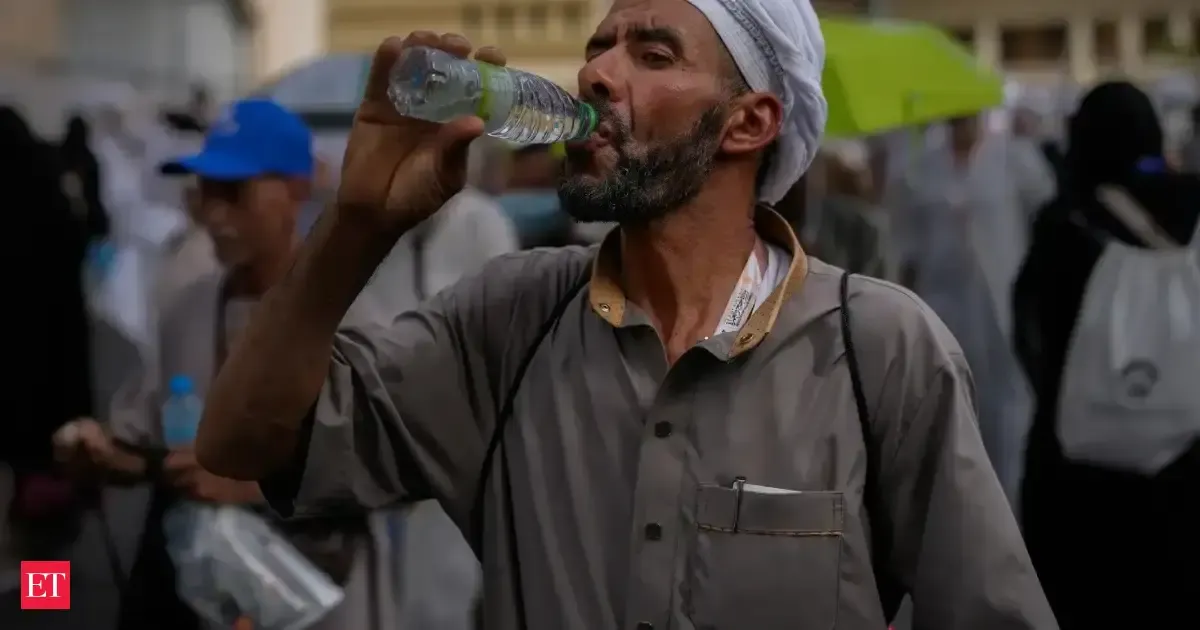
Hajj pilgrims in Mecca are facing extreme heat with temperatures reaching 42 to 47 degrees Celsius during the annual pilgrimage. Many, including first-timers like Inas Gamal from Egypt, are limiting outdoor activities and seeking air-conditioned spaces to avoid heat-related health issues. Saudi authorities have implemented cooling measures such as powerful air conditioning, giant fans, mist sprayers, cooled flooring, and free cold water distribution to help pilgrims cope with the harsh desert climate.
Political Bias
0%100%0%
Sentiment
42%
AI Analysis
Political bias across 2 sources
● Left 0%● Center 100%● Right 0%
The articles present a straightforward report focusing on the environmental challenges faced by pilgrims during Hajj and the Saudi authorities' response. There is no evident political framing or partisan perspective; the coverage centers on factual descriptions of conditions and mitigation efforts without attributing blame or praise.
Sentiment — Neutral (42/100)
The tone across the articles is neutral to slightly concerned, emphasizing the difficulties posed by the high temperatures and the health risks for pilgrims. While the coverage highlights the discomfort and risks, it also notes the proactive measures taken by authorities, resulting in a balanced and informative sentiment.
How 2 sources covered this story
Each source's own headline, political lean, and sentiment — so you can see framing differences at a glance.
| Source | Their headline | Bias | Sentiment |
|---|---|---|---|
| economictimes | With ice cream and giant fans, Hajj pilgrims battle searing heat | Center | Neutral |
| hindustantimes | With ice cream and giant fans, hajj pilgrims battle searing heat | Center | Neutral |
Coverage timeline
hindustantimes broke this story on 25 May, 01:41 am. Other outlets followed.
- 1hindustantimes25 May, 01:41 amWith ice cream and giant fans, hajj pilgrims battle searing heat
- 2economictimes25 May, 02:46 amWith ice cream and giant fans, Hajj pilgrims battle searing heat
Lens Score breakdown
33/100
Public interest0/100
Coverage gap100%
Well-covered story — coverage matches public importance.
Accountability flags
TBN's analysis identified the following accountability dimensions in this story.
- public safety issue
This story involves a risk to public safety — infrastructure failure, regulatory lapse, hazardous conditions, or emergency mishandling.
Who's involved
Institutions and figures named across source coverage.
Government
Saudi Health MinistrySaudi National Center for Meteorology
Story context
- Category
- Social
- Location
- Mecca, Saudi Arabia
- Sources analysed
- 2
- Last analysed
- 25 May 2026
- Key entities
- Great Mosque of MeccaHajjMeccaAir conditioningCelsiusPilgrimSaudi ArabiaEgyptHeat strokeDesert climateCourtyardHeat wave
Related Coverage
Select a news story to see related coverage from other media outlets.