4 hours agoSocial
29LENS
2 SourcesChennai, India
 thebalanced.news
Study Finds Proper Maintenance Essential for Effective Household RO Water Systems
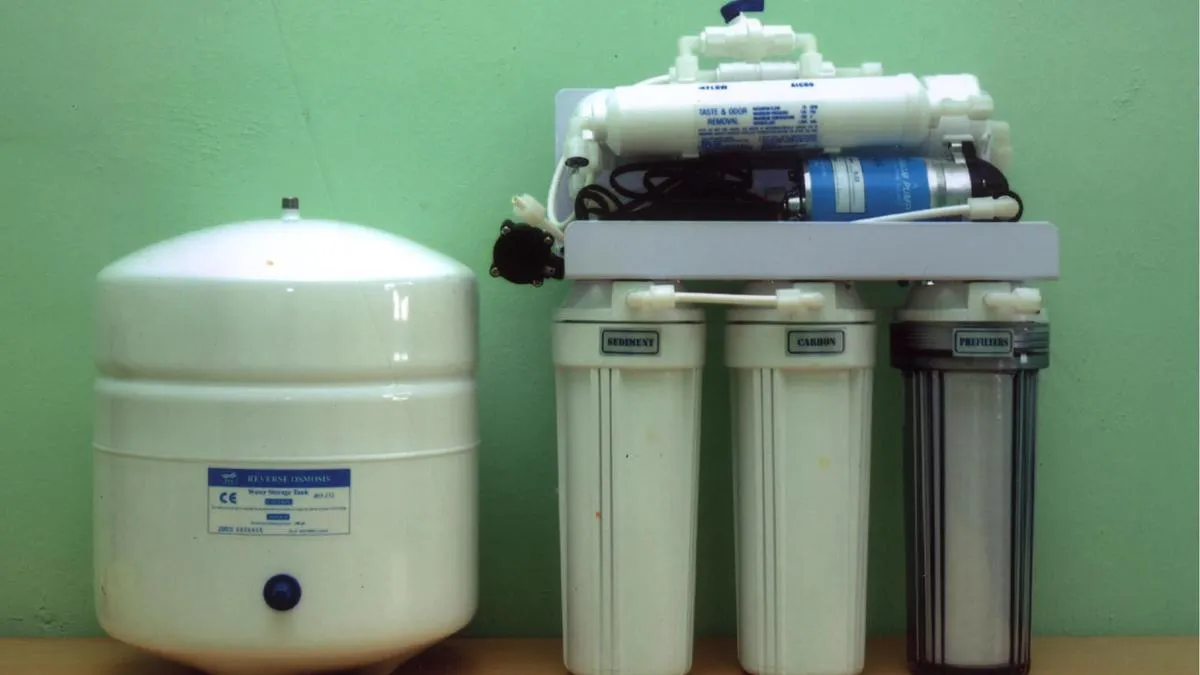
A recent study in Chennai found that while household reverse osmosis (RO) systems reduce microbial contamination in drinking water, they do not guarantee safety without proper maintenance and regular filter replacement. The study analyzed 262 water samples from 216 households, revealing that 31 post-RO samples still contained E. coli, compared to 71 in untreated water. Education levels influenced outcomes, with higher contamination in samples from less-educated respondents. The findings highlight the importance of maintenance and awareness for effective RO system use.
Political Bias
10%85%5%
Sentiment
55%
AI Analysis
Political bias across 2 sources
● Left 10%● Center 85%● Right 5%
The article group presents a scientific study without political framing, focusing on public health and consumer awareness. It includes perspectives on technology effectiveness and the role of education, without partisan viewpoints or policy debates. The coverage is neutral, emphasizing research findings and practical implications rather than political interpretations.
Sentiment — Neutral (55/100)
The tone across the articles is neutral and informative, presenting study results and their implications without emotional language. The coverage acknowledges both the benefits and limitations of RO systems, highlighting challenges like maintenance and education in a factual manner. There is no evident positive or negative bias, maintaining an objective stance.
How 2 sources covered this story
Each source's own headline, political lean, and sentiment — so you can see framing differences at a glance.
| Source | Their headline | Bias | Sentiment |
|---|---|---|---|
| thehindu | RO systems should be maintained properly to be effective, says study | Center | Neutral |
| thehindu | RO systems should be maintained properly to be effective, says study | Center | Neutral |
Coverage timeline
thehindu broke this story on 22 May, 02:38 am. Other outlets followed.
- 1thehindu22 May, 02:38 amRO systems should be maintained properly to be effective, says study
- 2thehindu22 May, 12:10 pmRO systems should be maintained properly to be effective, says study
Lens Score breakdown
29/100
Public interest0/100
Coverage gap100%
Well-covered story — coverage matches public importance.
Story context
- Category
- Social
- Location
- Chennai, India
- Sources analysed
- 2
- Last analysed
- 22 May 2026
- Key entities
- Reverse osmosisEscherichia coliMicroorganismDrinking waterChennaiFiltrationEpidemiologyGiardiasisHepatitis AWaterborne diseasesTyphoid feverGastrointestinal tract
Related Coverage
Select a news story to see related coverage from other media outlets.