2 hours agoSocial
28LENS
2 SourcesSudan
 thebalanced.news
UN Report Highlights Concentration and Risks of Global Food Crises in 2025-2026
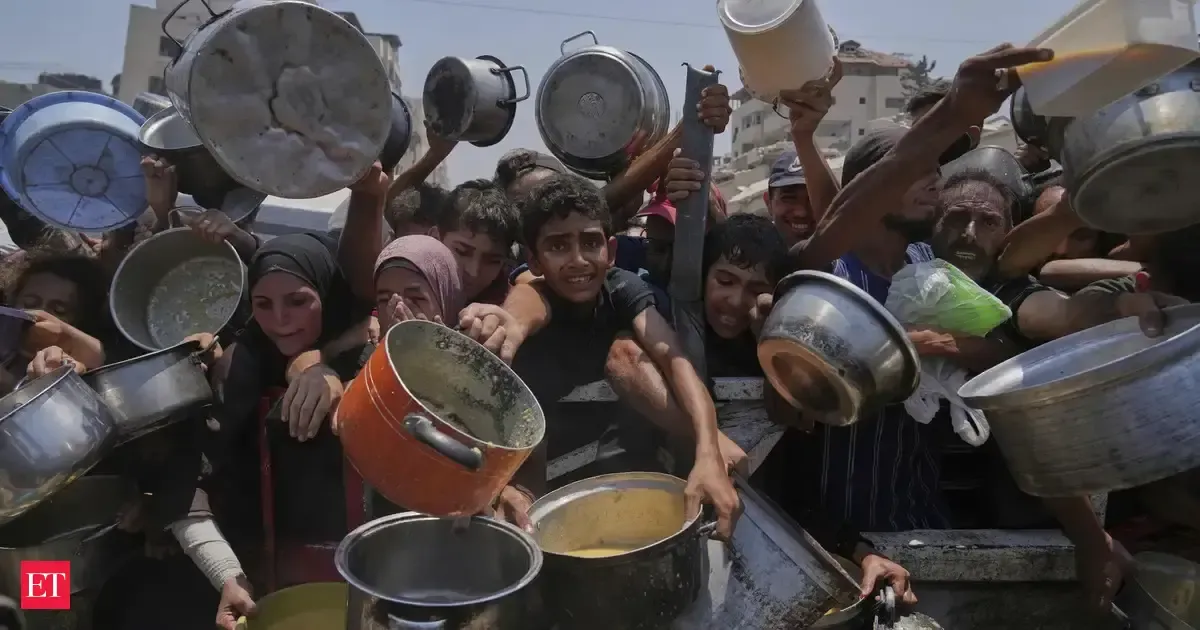
A UN-backed report highlights that two-thirds of global food crises in 2025 were concentrated in 10 countries, including Sudan, Nigeria, and the Democratic Republic of Congo, with conflict as the main driver. Around 266 million people faced acute food insecurity, nearly double since 2016. The report warns of worsening conditions in 2026 due to ongoing conflicts, climate extremes, and declining international aid, with severe malnutrition affecting millions of children and food insecurity threatening global stability.
Political Bias
0%100%0%
Sentiment
30%
AI Analysis
Political bias across 2 sources
● Left 0%● Center 100%● Right 0%
The articles present perspectives primarily from UN and humanitarian sources, focusing on conflict, climate, and aid factors driving food insecurity. They include warnings about geopolitical tensions, such as Middle East conflicts, without attributing blame. The coverage reflects a humanitarian and global stability viewpoint, emphasizing challenges faced by affected countries and the international community's response.
Sentiment — Negative (30/100)
The overall tone is serious and cautionary, emphasizing worsening food insecurity and malnutrition risks. While acknowledging some improvements in specific countries, the sentiment remains largely negative due to persistent conflicts, climate impacts, and aid shortfalls. The coverage conveys urgency and concern without sensationalism, aiming to inform about ongoing and projected humanitarian challenges.
How 2 sources covered this story
Each source's own headline, political lean, and sentiment — so you can see framing differences at a glance.
| Source | Their headline | Bias | Sentiment |
|---|---|---|---|
| theprint | War, drought, aid shortfall to fuel hunger in 2026, global report says | Center | Negative |
| economictimes | 10 countries are home to two-thirds of world's most hungry: UN-backed report | Center | Negative |
Coverage timeline
economictimes broke this story on 24 Apr, 09:31 am. Other outlets followed.
- 1economictimes24 Apr, 09:31 am10 countries are home to two-thirds of world's most hungry: UN-backed report
- 2theprint24 Apr, 09:33 amWar, drought, aid shortfall to fuel hunger in 2026, global report says
Lens Score breakdown
28/100
Public interest0/100
Coverage gap100%
Well-covered story — coverage matches public importance.
Story context
- Category
- Social
- Location
- Sudan
- Sources analysed
- 2
- Last analysed
- 24 Apr 2026
- Key entities
- NigeriaFood securityUnited NationsHumanitarian aidFertilizerInternational Fund for Agricultural DevelopmentMiddle EastFamineSudanDemocratic Republic of the CongoMyanmarRome
Related Coverage
Select a news story to see related coverage from other media outlets.