1 hour agoSocial
32LENS
2 SourcesRajasthan, India
 thebalanced.news
Conservation Efforts in Rajasthan Highlight Human-Wildlife Coexistence and Protection Measures
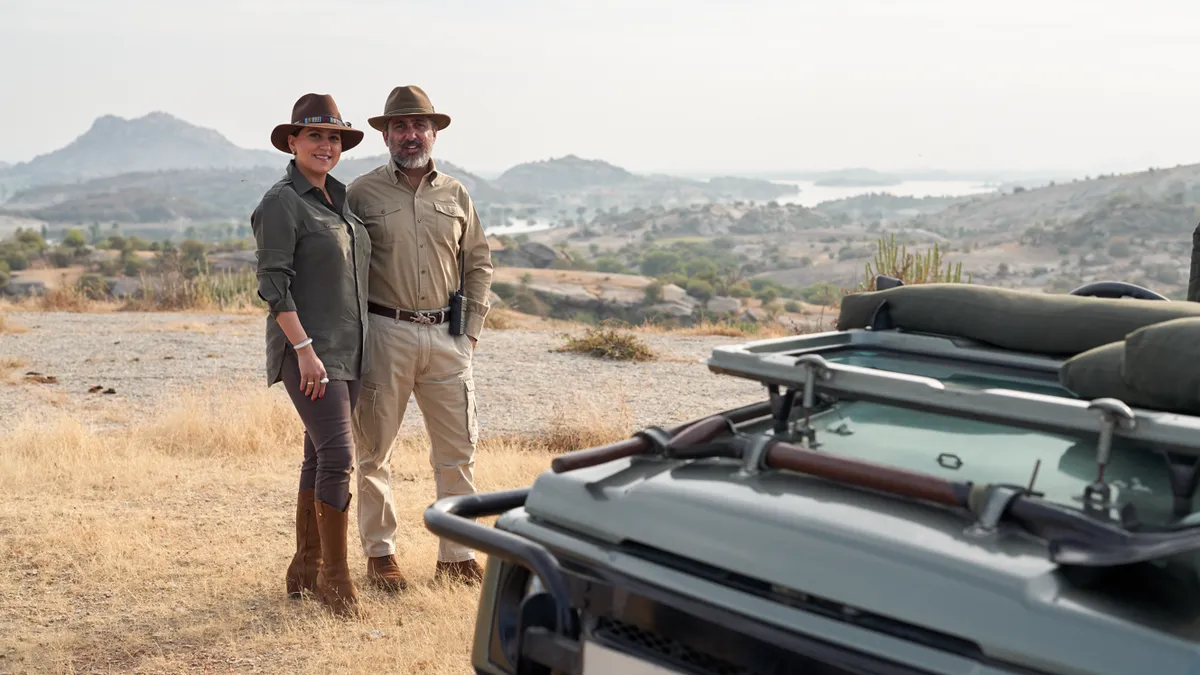
Jaisal Singh pioneered luxury tented camps in Ranthambore, blending conservation with hospitality rooted in his early exposure to wildlife protection. Meanwhile, the Rajasthan High Court's recent actions in the Jawai landscape, including halting construction and considering sanctuary status, highlight efforts to protect leopards living in human-shared environments. Jawai exemplifies a rare coexistence between humans and wildlife, prompting broader discussions on conservation beyond traditional protected forests in India.
Political Bias
10%85%5%
Sentiment
70%
AI Analysis
Political bias across 2 sources
● Left 10%● Center 85%● Right 5%
The articles present perspectives focused on conservation and wildlife protection without evident political framing. One highlights private sector initiatives in eco-tourism and conservation, while the other covers judicial and governmental regulatory actions. Both emphasize environmental stewardship and community involvement, reflecting a shared concern for sustainable wildlife management rather than partisan viewpoints.
Sentiment — Positive (70/100)
The overall tone is positive and constructive, emphasizing successful conservation models and proactive measures to protect wildlife habitats. The coverage acknowledges challenges but focuses on collaboration between communities, courts, and conservationists, conveying optimism about balancing human activity with ecological preservation.
How 2 sources covered this story
Each source's own headline, political lean, and sentiment — so you can see framing differences at a glance.
| Source | Their headline | Bias | Sentiment |
|---|---|---|---|
| thehindu | Jaisal Singh of Sujan Sher Bagh: safari roots and a conservation heart | Center | Positive |
| indiatoday | Why leopard landscape Jawai is now a national conservation test case | Center | Neutral |
Coverage timeline
indiatoday broke this story on 15 May, 07:00 pm. Other outlets followed.
- 1indiatoday15 May, 07:00 pmWhy leopard landscape Jawai is now a national conservation test case
- 2thehindu16 May, 12:45 amJaisal Singh of Sujan Sher Bagh: safari roots and a conservation heart
Lens Score breakdown
32/100
Public interest0/100
Coverage gap100%
Well-covered story — coverage matches public importance.
Who's involved
Institutions and figures named across source coverage.
Government
Rajasthan High CourtRajasthan GovernmentJawai Safari and Eco-Tourism Coordination Committee
Judiciary
Rajasthan High Court
Story context
- Category
- Social
- Location
- Rajasthan, India
- Sources analysed
- 2
- Last analysed
- 16 May 2026
- Key entities
- SafariWildlifeConservation biologyIndiaWildlife conservationLeopardRanthambore FortAfricaBig catTigerHuntingValmik Thapar
Related Coverage
Select a news story to see related coverage from other media outlets.