1 hour agoSocial
39LENS
2 SourcesRajasthan, India
 thebalanced.news
Conservation Challenges and Efforts to Protect the Great Indian Bustard in India
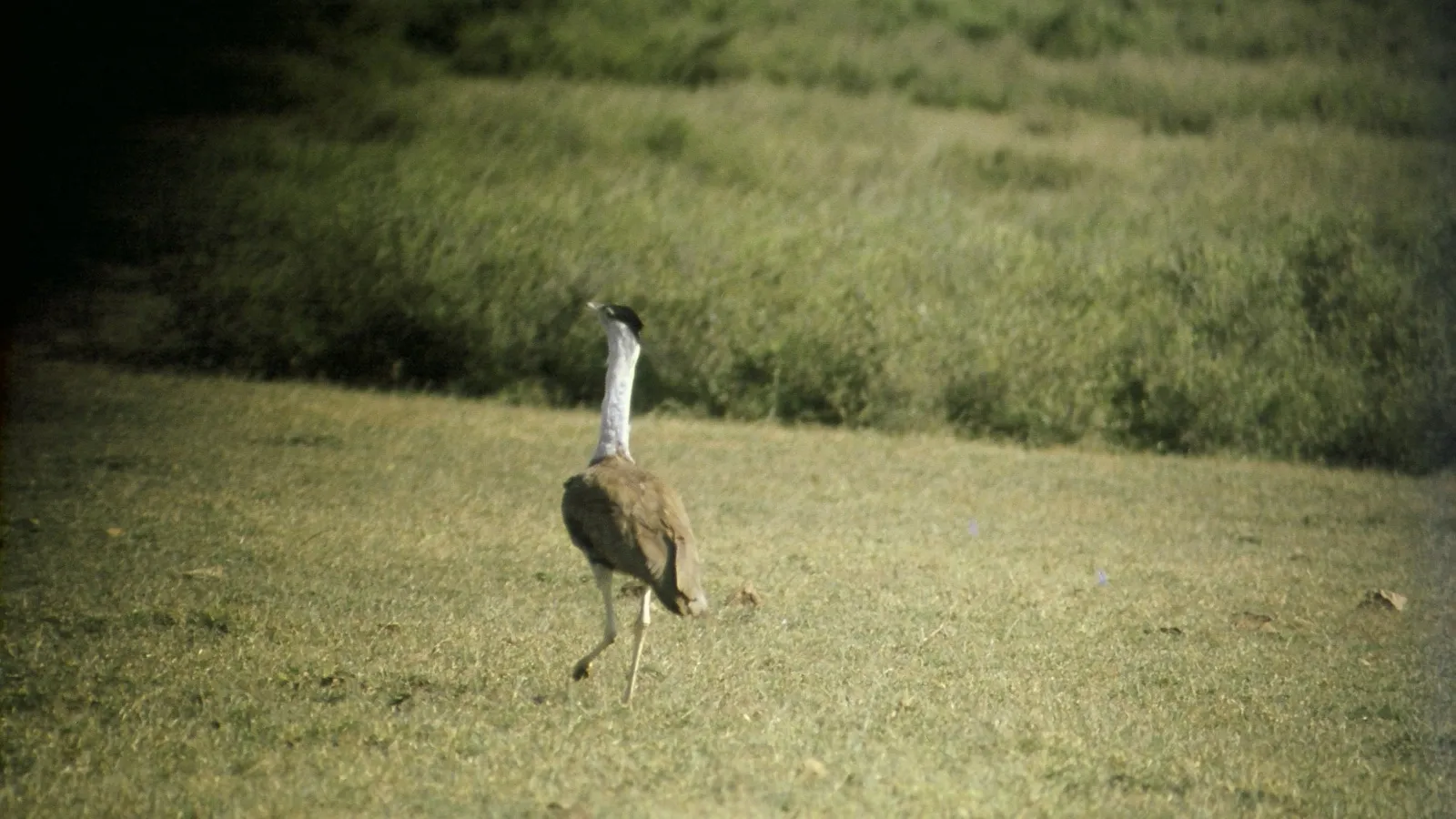
The Great Indian Bustard, once widespread across India, now faces critical endangerment with fewer than 150 birds remaining, primarily in Rajasthan and Gujarat. Major threats include habitat loss due to agriculture and infrastructure development, as well as risks from wind turbines and power lines, especially in Gujarat's Kutch region. Conservation efforts like experimental breeding continue despite challenges such as predation and limited population recovery, highlighting the ongoing struggle to protect this species and its grassland habitat.
Political Bias
20%75%5%
Sentiment
40%
AI Analysis
Political bias across 2 sources
● Left 20%● Center 75%● Right 5%
The articles present a conservation-focused perspective emphasizing environmental concerns over development projects. They highlight conflicts between habitat preservation and infrastructure expansion without attributing blame to specific political entities. The coverage includes government and scientific viewpoints on conservation efforts, reflecting a neutral stance on policy debates while underscoring ecological priorities.
Sentiment — Neutral (40/100)
The overall tone is cautiously concerned, acknowledging the critical status of the Great Indian Bustard and the difficulties faced in conservation. While the articles note setbacks such as habitat loss and chick predation, they also mention ongoing efforts and experimental programs, resulting in a mixed but primarily serious and urgent sentiment regarding the species' survival.
How 2 sources covered this story
Each source's own headline, political lean, and sentiment — so you can see framing differences at a glance.
| Source | Their headline | Bias | Sentiment |
|---|---|---|---|
| theprint | The fragile fight to save Great Indian Bustard: In Kutch, windmills, power lines a missing VIP chick | Center | Neutral |
| indianexpress | It's May Day SOS for not just the Great Indian Bustard | Center | Neutral |
Coverage timeline
indianexpress broke this story on 15 May, 12:01 pm. Other outlets followed.
- 1indianexpress15 May, 12:01 pmIt's May Day SOS for not just the Great Indian Bustard
- 2theprint16 May, 06:32 amThe fragile fight to save Great Indian Bustard: In Kutch, windmills, power lines a missing VIP chick
Lens Score breakdown
39/100
Public interest0/100
Coverage gap100%
Story is receiving appropriate media attention relative to public interest.
Who's involved
Institutions and figures named across source coverage.
Government
Wildlife Institute of IndiaPower MinistryEnvironment MinistryWildlife (Protection) Act, 1972Indira Gandhi CanalRamdevra Breeding CentreSupreme Court of IndiaProject Great Indian BustardGujarat Forest Department
Corporate
Renewable Energy Companies
Judiciary
Supreme Court of India
Story context
- Category
- Social
- Location
- Rajasthan, India
- Sources analysed
- 2
- Last analysed
- 16 May 2026
- Key entities
- Great Indian bustardGrasslandBirdRajasthanIndiaHabitatCaptive breedingEggKarnatakaGujaratJaisalmerNaliya
Related Coverage
Select a news story to see related coverage from other media outlets.