4 hours agoSocial
34LENS
2 SourcesSreemangal Upazila, Bangladesh
 thebalanced.news
Romesh Ram Gour's Seven-Layer Tea Boosts Tourism in Sreemangal, Bangladesh
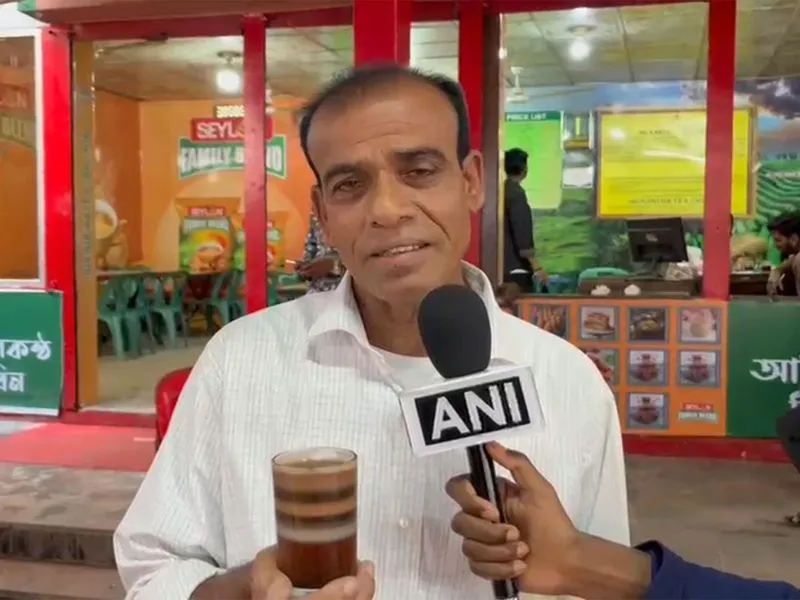
Romesh Ram Gour, residing in Sreemangal, Bangladesh, invented the seven-layer colored tea in 2002, gaining national and international recognition. Each layer offers a distinct flavor and remains separate for about six hours. His creation transformed the previously remote Manipuri Para area into a popular tourist destination, attracting visitors from 112 countries and boosting local markets. Despite lucrative offers, Gour has declined to sell the recipe or patent, intending to keep it proprietary during his lifetime.
Political Bias
0%100%0%
Sentiment
75%
AI Analysis
Political bias across 2 sources
● Left 0%● Center 100%● Right 0%
The articles present a straightforward narrative focusing on Romesh Ram Gour's invention and its impact without political framing. They include mentions of prominent political figures as visitors but do not engage in political analysis or commentary. The coverage centers on cultural and economic aspects, reflecting a neutral stance without partisan perspectives.
Sentiment — Positive (75/100)
The tone across the articles is positive, highlighting Gour's innovation, growing fame, and the resulting economic development in a previously remote area. The coverage emphasizes success and community benefits without criticism or negative aspects, maintaining an optimistic and celebratory sentiment.
How 2 sources covered this story
Each source's own headline, political lean, and sentiment — so you can see framing differences at a glance.
| Source | Their headline | Bias | Sentiment |
|---|---|---|---|
| thetribune | This 7-layer tea seller in Bangladesh has turned remote area into bustling tourist destination - The Tribune | Center | Positive |
| news18 | 7-layer tea makes Bangladesh's Romesh Gour a local hero | Center | Positive |
Coverage timeline
news18 broke this story on 2 May, 06:07 am. Other outlets followed.
- 1news182 May, 06:07 am7-layer tea makes Bangladesh's Romesh Gour a local hero
- 2thetribune2 May, 06:21 amThis 7-layer tea seller in Bangladesh has turned remote area into bustling tourist destination - The Tribune
Lens Score breakdown
34/100
Public interest0/100
Coverage gap100%
Well-covered story — coverage matches public importance.
Who's involved
Institutions and figures named across source coverage.
Government
Bangladesh Tea Research InstituteBangladesh Tea BoardBangladesh University of Engineering and Technology
Story context
- Category
- Social
- Location
- Sreemangal Upazila, Bangladesh
- Sources analysed
- 2
- Last analysed
- 2 May 2026
- Key entities
- Gauḍa (city)Sreemangal UpazilaTeaBangladesh TelevisionMeitei languagePrime Minister of BangladeshDhakaBangladeshA. Q. M. Badruddoza ChowdhurySheikh HasinaIndiaBangladesh Tea Research Institute
Related Coverage
Select a news story to see related coverage from other media outlets.