3 hours agoSocial
29LENS
2 SourcesShanghai, China
 thebalanced.news
Study Finds Atmospheric Microplastics Contribute to Heat Trapping and Climate Change
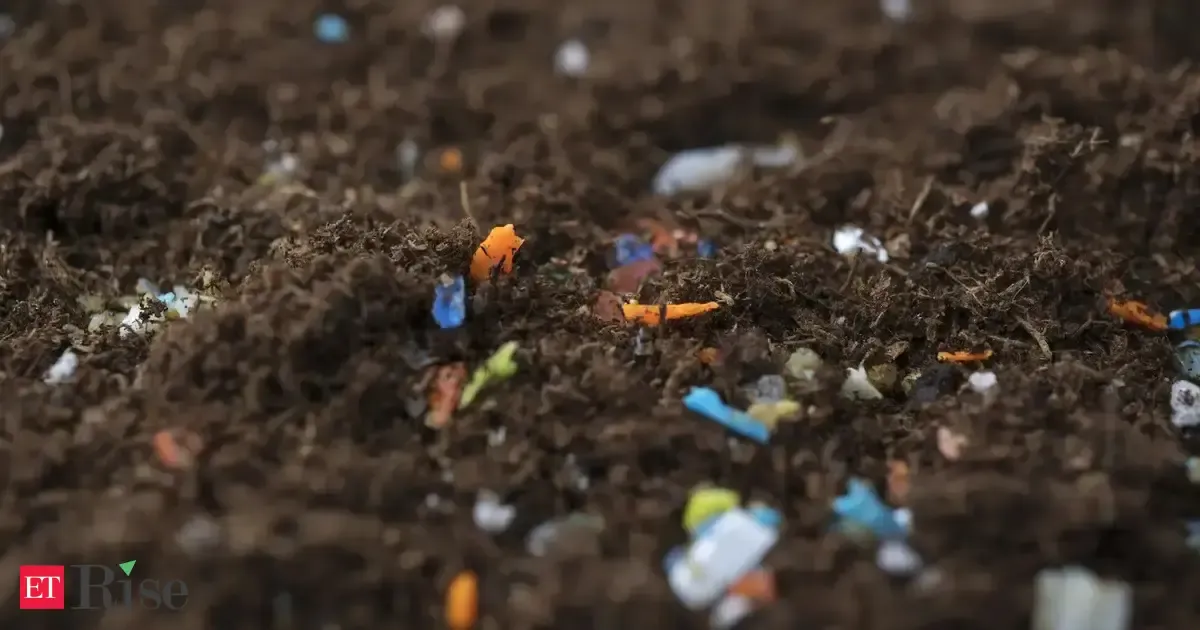
New research published in Nature Climate Change reveals that colored microplastics suspended in the atmosphere absorb sunlight and trap heat, contributing to global warming. Scientists from China and the US found that airborne plastic pollution has about 16.2% of the heat-trapping effect of black carbon globally, with localized impacts up to 4.7 times greater in heavily polluted areas like parts of the Pacific Ocean. The findings suggest climate models should incorporate this factor to better assess climate change dynamics.
Political Bias
0%100%0%
Sentiment
45%
AI Analysis
Political bias across 2 sources
● Left 0%● Center 100%● Right 0%
The articles present scientific findings without political framing, focusing on research outcomes and expert statements. The coverage reflects a consensus on the environmental impact of microplastics, with no evident partisan perspectives or policy debates. The narrative centers on the need for updated climate models, representing a scientific and environmental viewpoint rather than political positions.
Sentiment — Neutral (45/100)
The tone across the articles is neutral and informative, emphasizing the significance of the scientific discovery without emotional language. The coverage highlights the environmental concern posed by microplastics but maintains an objective stance, focusing on facts and expert commentary rather than alarmist or optimistic sentiment.
How 2 sources covered this story
Each source's own headline, political lean, and sentiment — so you can see framing differences at a glance.
| Source | Their headline | Bias | Sentiment |
|---|---|---|---|
| economictimes | Heat-trapping microplastics found to play role in climate change | Center | Neutral |
| economictimes | Heat-trapping microplastics found to play role in climate change | Center | Neutral |
Coverage timeline
economictimes broke this story on 9 May, 05:31 am. Other outlets followed.
- 1economictimes9 May, 05:31 amHeat-trapping microplastics found to play role in climate change
- 2economictimes9 May, 06:46 amHeat-trapping microplastics found to play role in climate change
Lens Score breakdown
29/100
Public interest0/100
Coverage gap100%
Well-covered story — coverage matches public importance.
Story context
- Category
- Social
- Location
- Shanghai, China
- Sources analysed
- 2
- Last analysed
- 9 May 2026
- Key entities
- MicroplasticsPlastic pollutionPlasticAtmosphereSunlightClimate modelEffects of climate changeAtmospheric scienceNature Climate ChangeBlack carbonFudan UniversityPeer review
Related Coverage
Select a news story to see related coverage from other media outlets.