1 hour agoSocial
36LENS
2 SourcesRajouri, India
 thebalanced.news
Memorials Commemorate Civilians Killed in Pakistan Shelling in Jammu and Kashmir
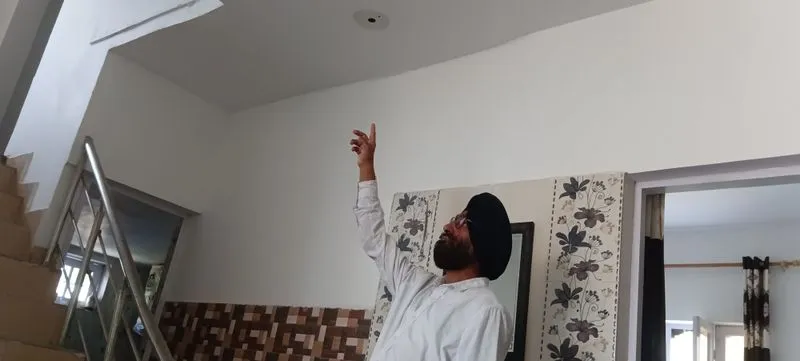
A year after Pakistani shelling in Poonch and Rajouri towns of Jammu and Kashmir, memorials have been established to honor 14 civilians and officials killed during the attacks following India's Operation Sindoor. Families continue to mourn their losses amid ongoing pain despite government compensation. The Ajote war memorial and a museum at Dr Raj Kumar Thapa's residence preserve memories of victims and sacrifices, serving as reminders for future generations.
Political Bias
10%82%8%
Sentiment
42%
AI Analysis
Political bias across 2 sources
● Left 10%● Center 82%● Right 8%
The articles primarily present the perspectives of victims' families and local authorities, focusing on the human impact of cross-border shelling without attributing blame beyond factual reporting. They highlight government responses and military commemorations, reflecting a narrative centered on remembrance and sacrifice rather than political critique or partisan framing.
Sentiment — Neutral (42/100)
The overall tone is somber and reflective, emphasizing grief and loss experienced by families affected by the shelling. While acknowledging government efforts such as compensation and memorials, the coverage conveys a sense of enduring pain and unresolved emotional impact, resulting in a predominantly serious and respectful sentiment.
How 2 sources covered this story
Each source's own headline, political lean, and sentiment — so you can see framing differences at a glance.
| Source | Their headline | Bias | Sentiment |
|---|---|---|---|
| thetribune | Poonch, a year later - The Tribune | Center | Negative |
| thetribune | Memorials keep alive memories of victims killed in Pakistan shelling - The Tribune | Center | Neutral |
Coverage timeline
thetribune broke this story on 9 May, 06:17 am. Other outlets followed.
- 1thetribune9 May, 06:17 amMemorials keep alive memories of victims killed in Pakistan shelling - The Tribune
- 2thetribune9 May, 09:31 pmPoonch, a year later - The Tribune
Lens Score breakdown
36/100
Public interest0/100
Coverage gap100%
Story is receiving appropriate media attention relative to public interest.
Accountability flags
TBN's analysis identified the following accountability dimensions in this story.
- public safety issue
This story involves a risk to public safety — infrastructure failure, regulatory lapse, hazardous conditions, or emergency mishandling.
Who's involved
Institutions and figures named across source coverage.
Government
Rajouri AdministrationEducation DepartmentLt Governor Manoj SinhaLieutenant Governor Office
Enforcement
Army
Religious
SGPC
Story context
- Category
- Social
- Location
- Rajouri, India
- Sources analysed
- 2
- Last analysed
- 9 May 2026
- Key entities
- Poonch (town)Jammu and Kashmir (union territory)TownPakistanDeputy Commissioner (Pakistan)Manoj SinhaAide-de-campRanjit SinghShell (projectile)FaçadeKamsarKama
Related Coverage
Select a news story to see related coverage from other media outlets.