3 hours agoSocial
21LENS
2 SourcesIndia
 thebalanced.news
Understanding Organ Donation and Its Impact on Transplant Recipients in India
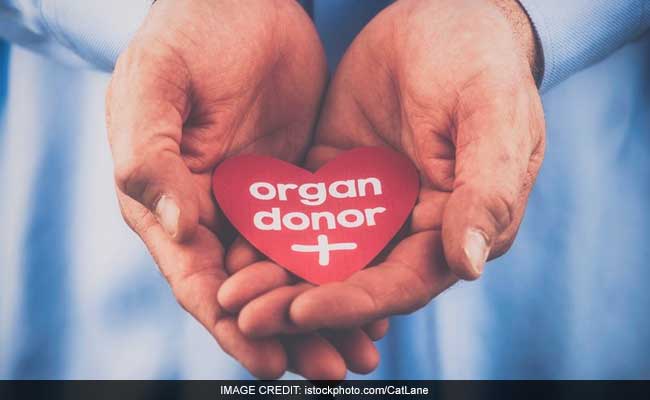
Organ donation in India involves two main types: living donation from healthy donors and dead donation after brain death, where brain function ceases but organs remain viable via ventilators. Despite medical advances making transplantation life-restoring rather than merely life-prolonging, cultural, religious, and emotional barriers limit donation rates. Transplants replace failing organs, enabling recipients to resume normal life activities, highlighting the critical need to address misconceptions and increase awareness about organ donation.
Political Bias
0%100%0%
Sentiment
72%
AI Analysis
Political bias across 2 sources
● Left 0%● Center 100%● Right 0%
The articles present a medical and social perspective on organ donation without political framing. They focus on healthcare challenges, cultural and religious factors affecting donation rates, and patient experiences. The coverage includes viewpoints from medical professionals and affected families, emphasizing awareness and education rather than political debate or policy critique.
Sentiment — Positive (72/100)
The overall tone is hopeful and informative, highlighting the life-restoring potential of organ transplantation while acknowledging emotional and cultural challenges. The sentiment balances the seriousness of organ failure with positive outcomes post-transplant, aiming to encourage understanding and dialogue rather than evoke fear or controversy.
How 2 sources covered this story
Each source's own headline, political lean, and sentiment — so you can see framing differences at a glance.
| Source | Their headline | Bias | Sentiment |
|---|---|---|---|
| thehindu | Back to life | Center | Positive |
| ndtv | Living vs Dead Organ Donation: Understanding The Real Difference And Impact | Center | Positive |
Coverage timeline
ndtv broke this story on 16 May, 11:10 am. Other outlets followed.
- 1ndtv16 May, 11:10 amLiving vs Dead Organ Donation: Understanding The Real Difference And Impact
- 2thehindu16 May, 11:27 pmBack to life
Lens Score breakdown
21/100
Public interest0/100
Coverage gap100%
Well-covered story — coverage matches public importance.
Story context
- Category
- Social
- Location
- India
- Sources analysed
- 2
- Last analysed
- 16 May 2026
- Key entities
- Organ (biology)KidneySocial stigmaOxygenSurgeryOrgan transplantationBrain deathOrgan donationLiverIndiaVentilatorBrain
Related Coverage
Select a news story to see related coverage from other media outlets.