1 hour agoSocial
28LENS
2 SourcesHaryana, India
 thebalanced.news
First Photographic Evidence of Rusty-Spotted Cat Breeding in Delhi-NCR's Aravalli Region
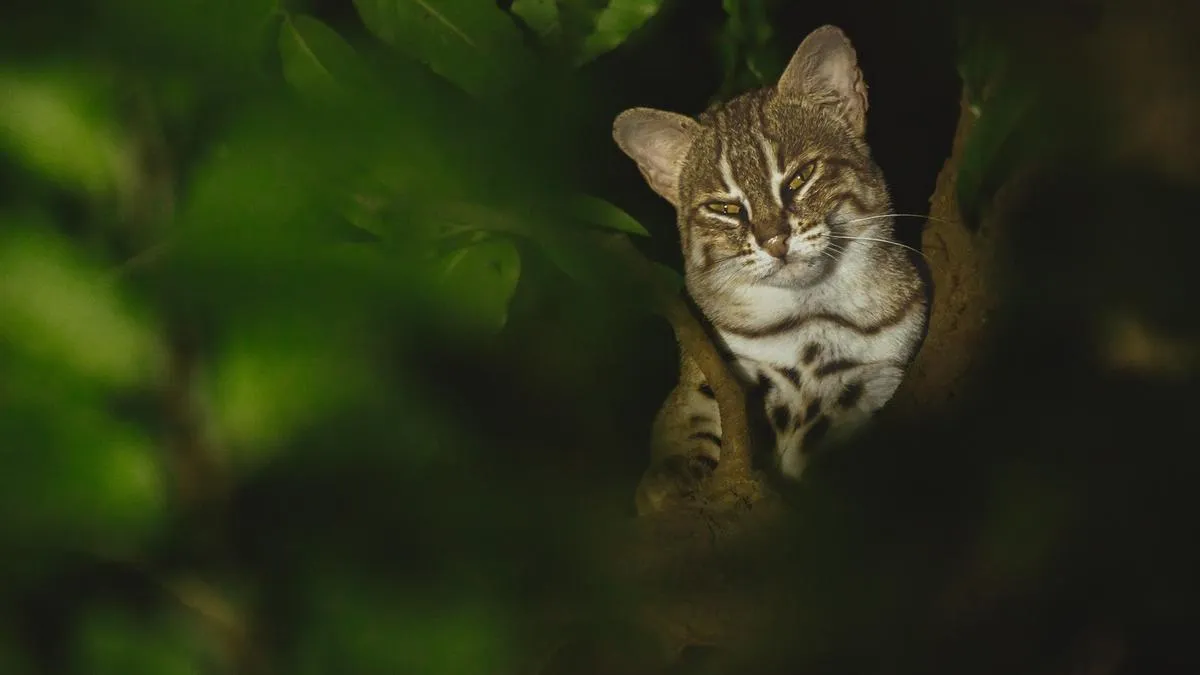
Researchers have captured the first confirmed photographic evidence of the rusty-spotted cat, the world's smallest wild cat, breeding in the Delhi-NCR region, specifically in Faridabad's Kot village. The discovery, documented during field surveys across the Aravalli landscape and published in the peer-reviewed journal Zoo's Print, highlights active reproduction outside protected areas. The finding underscores the ecological importance of the Aravalis, which support diverse wildlife, and emphasizes the need to protect this habitat amid threats from urban expansion and land-use changes.
Political Bias
0%100%0%
Sentiment
75%
AI Analysis
Political bias across 2 sources
● Left 0%● Center 100%● Right 0%
The articles present a scientific and conservation-focused perspective without evident political bias. They emphasize wildlife research findings and habitat protection, reflecting viewpoints from independent researchers and conservationists. There is no partisan framing; instead, the coverage centers on ecological significance and the need for environmental preservation in the region.
Sentiment — Positive (75/100)
The tone across the articles is generally positive and informative, highlighting a significant wildlife discovery. The sentiment conveys optimism about the presence and breeding of a threatened species near urban areas, while also expressing concern about habitat threats. Overall, the coverage balances celebration of the finding with awareness of conservation challenges.
How 2 sources covered this story
Each source's own headline, political lean, and sentiment — so you can see framing differences at a glance.
| Source | Their headline | Bias | Sentiment |
|---|---|---|---|
| thehindu | In a first, world's smallest wild cat snapped with kitten in Faridabad; confirms breeding outside protected areas, say researchers | Center | Positive |
| indianexpress | 10-second encounter, big discovery: Rusty-spotted cat, its kitten found in Delhi-NCR | Center | Positive |
Coverage timeline
indianexpress broke this story on 6 May, 08:33 am. Other outlets followed.
- 1indianexpress6 May, 08:33 am10-second encounter, big discovery: Rusty-spotted cat, its kitten found in Delhi-NCR
- 2thehindu6 May, 07:46 pmIn a first, world's smallest wild cat snapped with kitten in Faridabad; confirms breeding outside protected areas, say researchers
Lens Score breakdown
28/100
Public interest0/100
Coverage gap100%
Well-covered story — coverage matches public importance.
Story context
- Category
- Social
- Location
- Haryana, India
- Sources analysed
- 2
- Last analysed
- 6 May 2026
- Key entities
- Rusty-spotted catNational Capital Region (India)Aravalli RangeWildlifeSpeciesHaryanaSaraca asocaFelidaeCatNear-threatened speciesIUCN Red ListMammal
Related Coverage
Select a news story to see related coverage from other media outlets.