2 hours agoSocial
31LENS
2 SourcesIndia
 thebalanced.news
New Research Reveals Deadly Heat Risks Below Traditional Wet-Bulb Thresholds
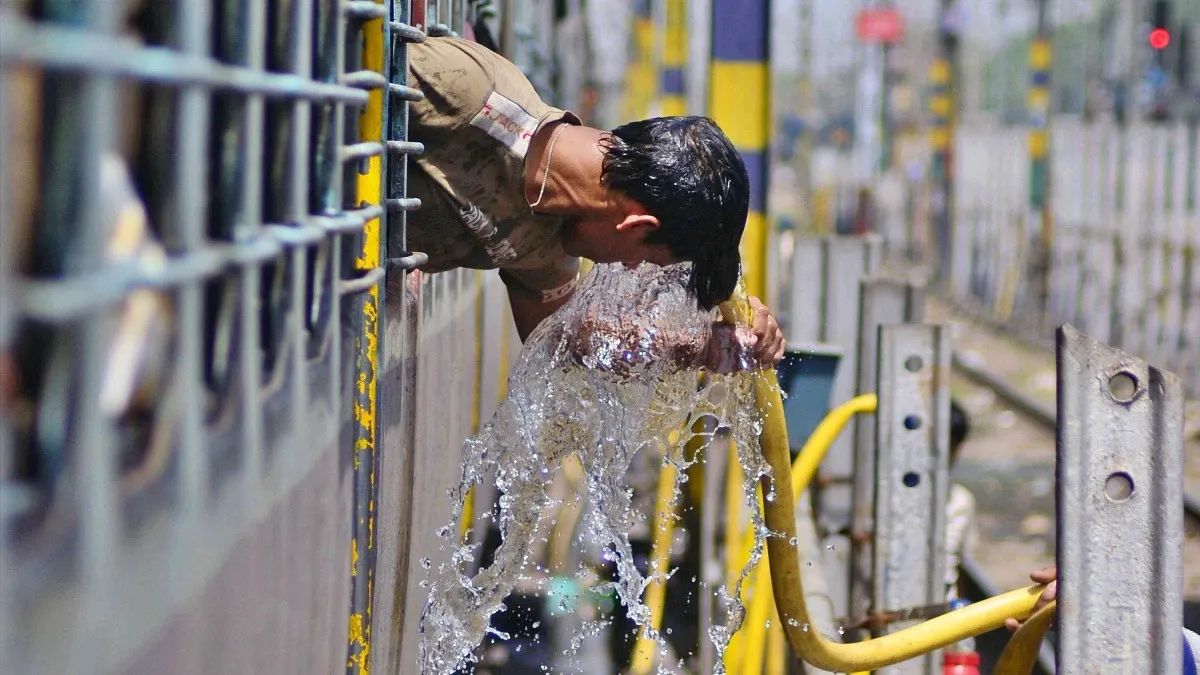
Recent studies highlight that deadly heat conditions, combining high temperatures and humidity, are increasingly threatening human survival in South Asia and beyond. Traditional wet-bulb temperature thresholds of 35°C, once considered the limit for human tolerance, are now challenged by real-world data showing fatal heat stress can occur at lower levels, especially in dry heat. Heat-related illnesses progress from heat stress to exhaustion and potentially fatal heatstroke, with vulnerable groups and direct sunlight increasing risks. These findings underscore the urgent need to reassess heat safety standards amid rising global temperatures.
Political Bias
5%93%2%
Sentiment
32%
AI Analysis
Political bias across 2 sources
● Left 5%● Center 93%● Right 2%
The articles primarily present scientific research findings without political framing, focusing on health and environmental impacts of extreme heat. They include perspectives from researchers and meteorological authorities, emphasizing empirical data and public health concerns. There is no evident political bias, as the coverage centers on factual reporting of climate-related health risks.
Sentiment — Negative (32/100)
The overall tone is cautionary and serious, reflecting concern about increasing heat-related health dangers. While the articles highlight alarming findings about non-survivable heat conditions, the sentiment remains factual and informative rather than sensational or alarmist, aiming to raise awareness about emerging climate challenges.
How 2 sources covered this story
Each source's own headline, political lean, and sentiment — so you can see framing differences at a glance.
| Source | Their headline | Bias | Sentiment |
|---|---|---|---|
| indiatoday | Humid air is a bigger problem for India than a heatwave. It can shut the human body | Center | Neutral |
| indiatoday | Deadly heat is already here and it's becoming non-survivable | Center | Negative |
Coverage timeline
indiatoday broke this story on 20 Apr, 08:27 am. Other outlets followed.
- 1indiatoday20 Apr, 08:27 amDeadly heat is already here and it's becoming non-survivable
- 2indiatoday21 Apr, 02:36 amHumid air is a bigger problem for India than a heatwave. It can shut the human body
Lens Score breakdown
31/100
Public interest0/100
Coverage gap100%
Well-covered story — coverage matches public importance.
Accountability flags
TBN's analysis identified the following accountability dimensions in this story.
- public safety issue
This story involves a risk to public safety — infrastructure failure, regulatory lapse, hazardous conditions, or emergency mishandling.
Who's involved
Institutions and figures named across source coverage.
Government
India Meteorological Department
Story context
- Category
- Social
- Location
- India
- Sources analysed
- 2
- Last analysed
- 21 Apr 2026
- Key entities
- Heat wavePerspirationHuman bodyHumidityIndiaWet-bulb temperatureThermoregulationWBT (AM)EvaporationCelsiusTemperatureIndia Meteorological Department
Related Coverage
Select a news story to see related coverage from other media outlets.