1 hour agoSports
30LENS
2 SourcesUnited States
 thebalanced.news
Trump Criticizes 2026 FIFA World Cup Ticket Prices Amid Pricing Controversy
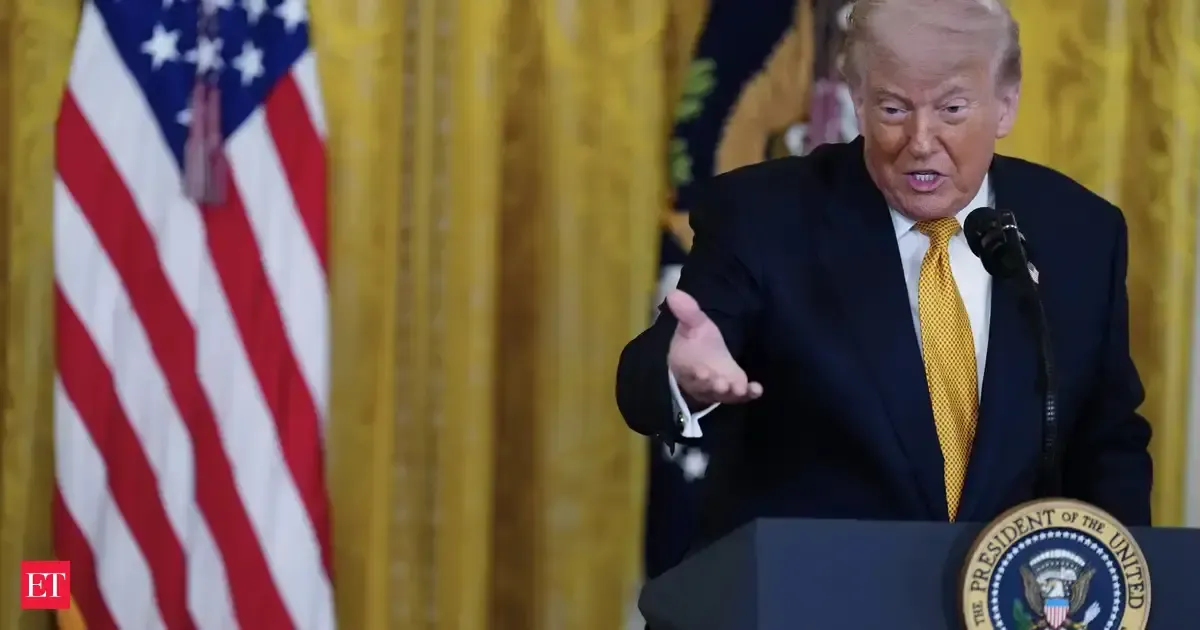
US President Donald Trump criticized the high ticket prices for the 2026 FIFA World Cup, stating he would not pay over $1,000 to attend the United States' opening match. He expressed concern that such costs could exclude lower-income Americans, including his supporters. FIFA president Gianni Infantino defended the pricing, citing demand-based dynamic pricing and a record number of ticket requests. Critics argue this approach risks limiting access to wealthier fans and corporate buyers, sparking backlash from fans and lawmakers.
Political Bias
5%93%2%
Sentiment
40%
AI Analysis
Political bias across 2 sources
● Left 5%● Center 93%● Right 2%
The articles present perspectives from both Donald Trump, who voices concern about affordability for his voter base, and FIFA's president, who defends the pricing strategy. Coverage includes viewpoints from critics such as fans and lawmakers opposing high costs. The framing balances political and organizational positions without favoring either side, reflecting a mix of political and commercial interests.
Sentiment — Neutral (40/100)
The overall tone is mixed, combining Trump's critical remarks and fan concerns with FIFA's justification of pricing. While there is evident dissatisfaction regarding ticket affordability, the articles also acknowledge the high demand and market-driven rationale, resulting in a balanced sentiment that highlights both criticism and defense.
How 2 sources covered this story
Each source's own headline, political lean, and sentiment — so you can see framing differences at a glance.
| Source | Their headline | Bias | Sentiment |
|---|---|---|---|
| economictimes | Donald Trump says he would not pay 1,000 to watch US at World Cup | Center | Neutral |
| firstpost | 'I wouldn't pay it': Trump slams 1,000 FIFA World Cup ticket prices | Center | Neutral |
Coverage timeline
firstpost broke this story on 7 May, 05:43 pm. Other outlets followed.
- 1firstpost7 May, 05:43 pm'I wouldn't pay it': Trump slams 1,000 FIFA World Cup ticket prices
- 2economictimes7 May, 07:28 pmDonald Trump says he would not pay 1,000 to watch US at World Cup
Lens Score breakdown
30/100
Public interest0/100
Coverage gap100%
Well-covered story — coverage matches public importance.
Who's involved
Institutions and figures named across source coverage.
Political
US President Donald TrumpDonald Trump
Story context
- Category
- Sports
- Location
- United States
- Sources analysed
- 2
- Last analysed
- 7 May 2026
- Key entities
- Donald TrumpFIFA World CupFIFAGianni InfantinoUnited StatesNew York PostSports governing bodyNew York (state)EuropeQueensBrooklynQatar
Related Coverage
Select a news story to see related coverage from other media outlets.