1 hour agoSports
36LENS
2 SourcesToronto, Canada
 thebalanced.news
Toronto Finalizes FIFA World Cup 2026 Hosting Budget; Broadcast Rights in India Under Negotiation
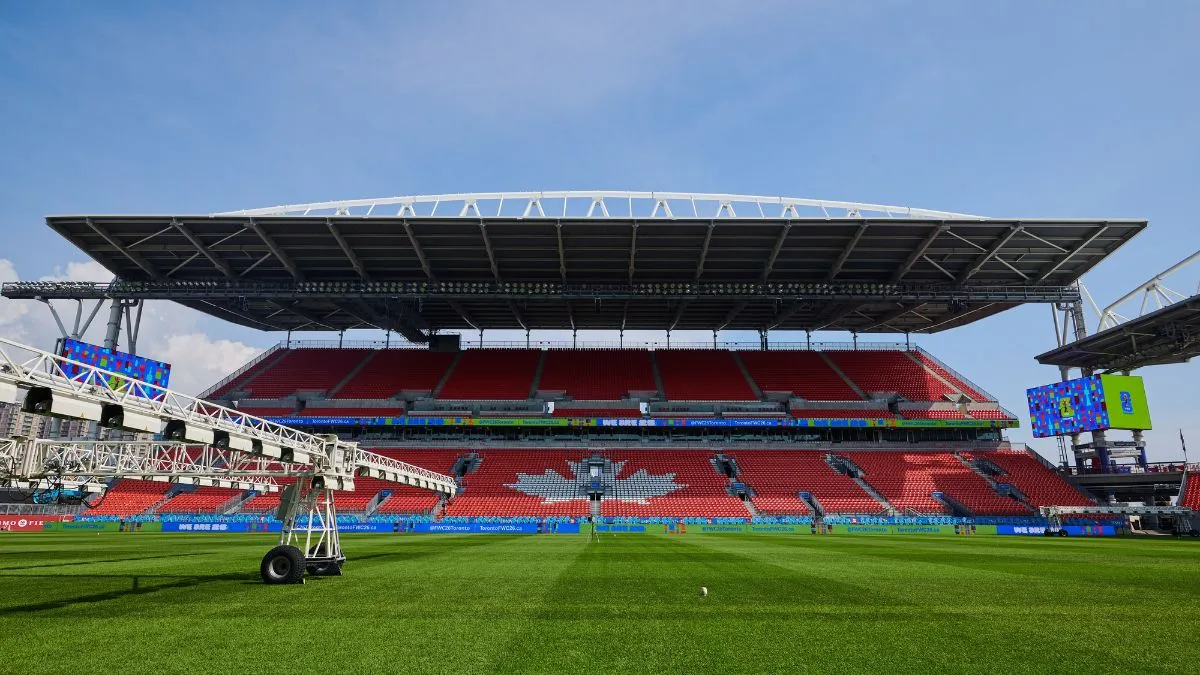
Toronto plans to host six matches of the FIFA World Cup 2026 with a $380 million budget funded mainly by visitor taxes, government grants, and commercial revenue, avoiding local property taxes. Meanwhile, FIFA is still negotiating broadcast rights for the tournament in India, with discussions ongoing and confidential. The Delhi High Court has issued notices regarding free-to-air telecast amid delayed media rights deals, while FIFA has secured agreements in 180 other territories.
Political Bias
0%100%0%
Sentiment
55%
AI Analysis
Political bias across 2 sources
● Left 0%● Center 100%● Right 0%
The articles present a primarily factual account focusing on financial and logistical aspects of the FIFA World Cup 2026. The first article emphasizes municipal and government funding strategies without political framing, while the second highlights ongoing negotiations and legal actions in India regarding broadcast rights. Both sources maintain a neutral stance, reporting official statements and court proceedings without partisan commentary.
Sentiment — Neutral (55/100)
The overall tone is neutral, concentrating on event preparations and contractual negotiations. The funding article conveys a pragmatic approach to financing without controversy, while the broadcast rights coverage reflects uncertainty and legal challenges but without emotive language. The sentiment balances between informative updates and cautious reporting on unresolved issues.
How 2 sources covered this story
Each source's own headline, political lean, and sentiment — so you can see framing differences at a glance.
| Source | Their headline | Bias | Sentiment |
|---|---|---|---|
| thefinancialexpress | Who is paying to host FIFA World Cup 2026 matches in Toronto? The 380M funding plan explained | Center | Neutral |
| firstpost | FIFA provides fresh update on 2026 World Cup broadcast rights in India: 'Must remain confidential' | Center | Neutral |
Coverage timeline
firstpost broke this story on 12 May, 04:37 pm. Other outlets followed.
- 1firstpost12 May, 04:37 pmFIFA provides fresh update on 2026 World Cup broadcast rights in India: 'Must remain confidential'
- 2thefinancialexpress12 May, 06:00 pmWho is paying to host FIFA World Cup 2026 matches in Toronto? The 380M funding plan explained
Lens Score breakdown
36/100
Public interest0/100
Coverage gap100%
Story is receiving appropriate media attention relative to public interest.
Who's involved
Institutions and figures named across source coverage.
Government
Union Ministry of Information and BroadcastingPrasar BharatiCity of TorontoGovernment of CanadaProvince of Ontario
Corporate
Sony Group CorporationReliance IndustriesDisney
Judiciary
Delhi High Court
Story context
- Category
- Sports
- Location
- Toronto, Canada
- Sources analysed
- 2
- Last analysed
- 12 May 2026
- Key entities
- FIFA World CupFIFASonyMexicoIndiaTorontoProperty taxGovernment of CanadaOntarioJioSouth AfricaBeijing
Related Coverage
Select a news story to see related coverage from other media outlets.