1 hour agoSports
26LENS
2 SourcesIndia
 thebalanced.news
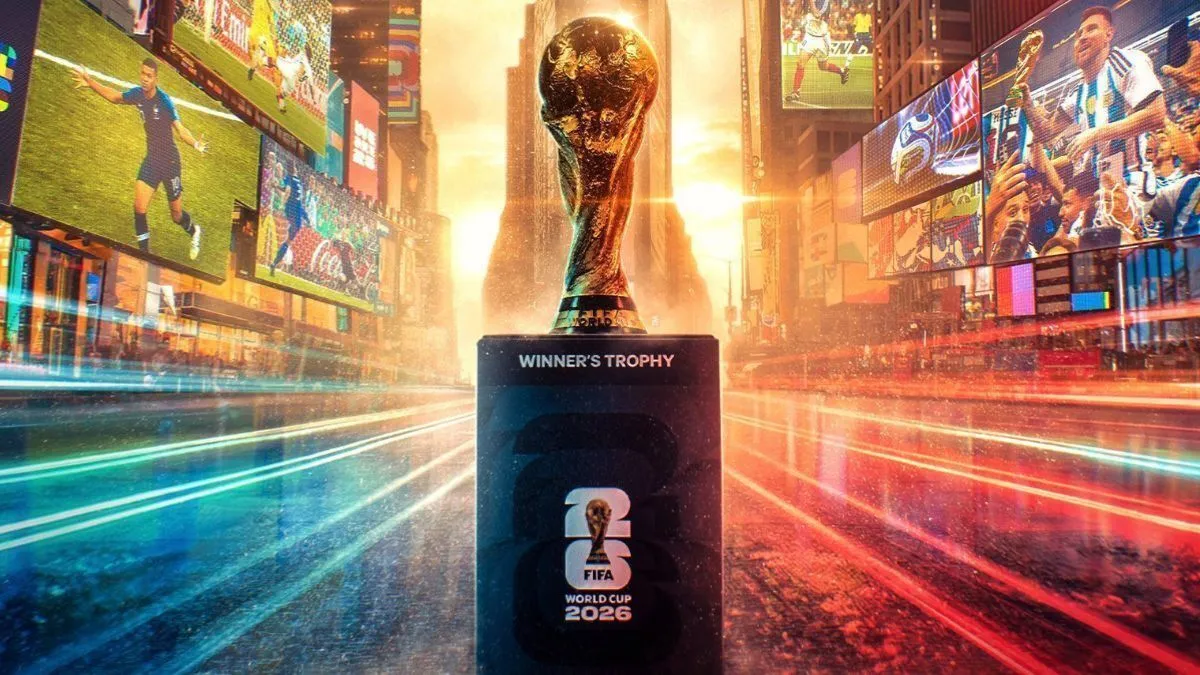
FIFA World Cup 2026 Broadcast Rights Remain Unsecured in India Ahead of Tournament
With the FIFA World Cup 2026 set to begin on June 11 in North America, no Indian broadcaster or streaming platform has yet secured the rights to air the tournament. Experts attribute this delay to factors including time zone differences, a shift toward return-on-investment-driven bidding, and the absence of India from the competition, which reduces local interest. The consolidation of broadcasters and market maturity have also led to more cautious rights acquisition, raising concerns about a potential broadcast blackout in India.
Political Bias
0%100%0%
Sentiment
40%
AI Analysis
Political bias across 2 sources
● Left 0%● Center 100%● Right 0%
The articles primarily focus on the commercial and market dynamics influencing the FIFA World Cup broadcast rights in India, without engaging in political discourse. They represent perspectives from industry experts and broadcasters, highlighting economic considerations and consumer behavior. There is no evident political framing or partisan viewpoints in the coverage.
Sentiment — Neutral (40/100)
The overall tone is neutral to cautiously concerned, emphasizing the unresolved status of broadcast rights and the potential impact on Indian viewers. While noting market maturity and financial discipline as positive developments, the coverage also reflects apprehension about a possible blackout, balancing factual reporting with expert analysis.
How 2 sources covered this story
Each source's own headline, political lean, and sentiment — so you can see framing differences at a glance.
| Source | Their headline | Bias | Sentiment |
|---|---|---|---|
| theassamtribune | Broadcast deadlock threatens FIFA World Cup 2026 blackout in India | Center | Negative |
| thefinancialexpress | Why FIFA rights deal entered extra time | Center | Neutral |
Coverage timeline
thefinancialexpress broke this story on 13 May, 12:35 am. Other outlets followed.
- 1thefinancialexpress13 May, 12:35 amWhy FIFA rights deal entered extra time
- 2theassamtribune13 May, 08:01 amBroadcast deadlock threatens FIFA World Cup 2026 blackout in India
Lens Score breakdown
26/100
Public interest0/100
Coverage gap100%
Well-covered story — coverage matches public importance.
Who's involved
Institutions and figures named across source coverage.
Corporate
JioCinemaJioStar
Story context
- Category
- Sports
- Location
- India
- Sources analysed
- 2
- Last analysed
- 13 May 2026
- Key entities
- IndiaOver-the-top media serviceFIFA World CupFIFAJioCinemaThe Financial Express (India)Indian subcontinentOvertime (sports)CricketLionel MessiIndian rupeePremier League
Related Coverage
Select a news story to see related coverage from other media outlets.