11 hours agoTech
34LENS
2 SourcesIndia
 thebalanced.news
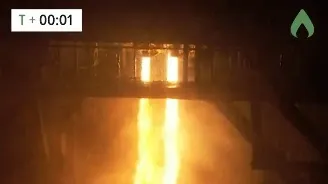
Agnikul Cosmos Successfully Test-Fires Four 3D-Printed Rocket Engines in Cluster
Chennai-based startup Agnikul Cosmos successfully test-fired four 3D-printed semi-cryogenic rocket engines simultaneously, marking India's first such cluster test. Powered by electric motor-driven pumps, the engines demonstrated synchronized operation, advancing Agnikul's development of the Agnibaan modular launch vehicle for small satellites. This milestone reflects India's growing private space sector capabilities, supported by institutions like IIT Madras, ISRO, and INSPACe, and highlights a shift toward innovative, cost-effective rocket technologies.
Political Bias
5%93%2%
Sentiment
75%
AI Analysis
Political bias across 2 sources
● Left 5%● Center 93%● Right 2%
The articles primarily present a positive view of India's private space sector progress, emphasizing technological innovation and collaboration with government bodies like ISRO and INSPACe. They highlight the startup's achievements without partisan framing, focusing on national advancement and industry development. The coverage reflects a pro-innovation stance common in technology reporting, with no evident political bias or controversy.
Sentiment — Positive (75/100)
The overall sentiment is positive, celebrating Agnikul's technical breakthrough and its implications for India's space ambitions. The tone is optimistic and forward-looking, emphasizing progress and potential benefits. There is no negative or critical language, and the articles convey enthusiasm about the startup's achievements and the broader growth of the private space sector.
How 2 sources covered this story
Each source's own headline, political lean, and sentiment — so you can see framing differences at a glance.
| Source | Their headline | Bias | Sentiment |
|---|---|---|---|
| indiatoday | Why Agnikul's four-engine rocket test is a big deal for India's space ambitions | Center | Positive |
| indiatoday | Watch: Agnikul fires four 3D printed rocket engines in maiden cluster test | Center | Positive |
Coverage timeline
indiatoday broke this story on 19 May, 10:21 am. Other outlets followed.
- 1indiatoday19 May, 10:21 amWatch: Agnikul fires four 3D printed rocket engines in maiden cluster test
- 2indiatoday20 May, 08:17 amWhy Agnikul's four-engine rocket test is a big deal for India's space ambitions
Lens Score breakdown
34/100
Public interest0/100
Coverage gap100%
Well-covered story — coverage matches public importance.
Who's involved
Institutions and figures named across source coverage.
Government
INSPACeISRO
Corporate
Agnikul CosmosAgnikul Rocket Factory
Story context
- Category
- Tech
- Location
- India
- Sources analysed
- 2
- Last analysed
- 20 May 2026
- Key entities
- Rocket enginePumpAgniKul CosmosLaunch vehicleStartup companyRocket3D printingAgnibaanOrbitIndiaSpace industryRocket propellant
Related Coverage
Select a news story to see related coverage from other media outlets.