52 minutes agoTech
34LENS
19 SourcesBangalore, India
 thebalanced.news
GalaxEye Launches Mission Drishti, World's First OptoSAR Satellite from SpaceX Falcon 9
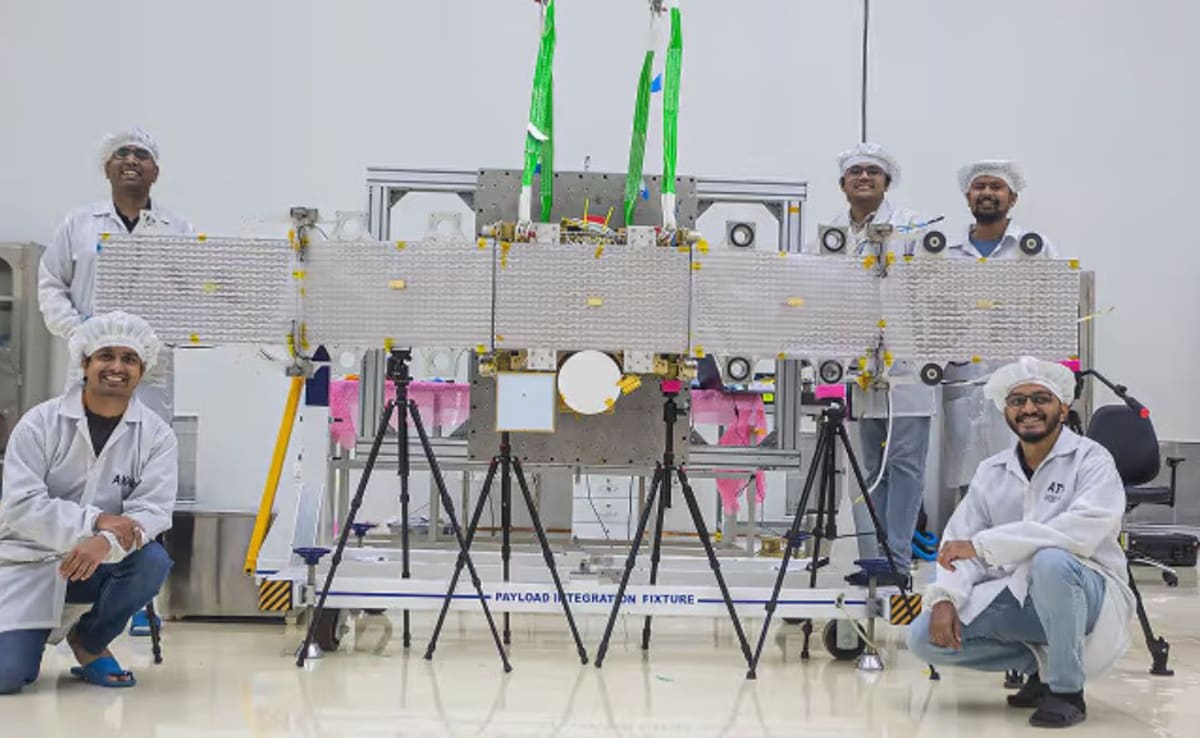
Bengaluru-based startup GalaxEye successfully launched Mission Drishti, the world's first OptoSAR satellite, aboard SpaceX's Falcon 9 from California on May 3, 2026. Weighing 190 kg, it integrates electro-optical and synthetic aperture radar sensors on a single platform, enabling all-weather, day-and-night Earth observation. The satellite aims to support defence, agriculture, disaster management, and infrastructure planning. Prime Minister Narendra Modi hailed the launch as a milestone in India's private space innovation. GalaxEye plans a constellation of 10 satellites by 2030.
Political Bias
5%86%9%
Sentiment
80%
AI Analysis
Political bias across 19 sources
● Left 5%● Center 86%● Right 9%
The article group predominantly reflects a nationalistic and developmental perspective, highlighting India's technological progress and private sector innovation in space. Coverage includes official endorsements, notably from Prime Minister Modi, emphasizing youth-driven innovation and national pride. The sources focus on technological achievements and strategic applications without presenting critical or opposing viewpoints, framing the launch as a positive advancement for India’s space capabilities.
Sentiment — Positive (80/100)
The overall sentiment across the articles is positive, celebrating the successful launch and technological breakthrough of the Mission Drishti satellite. The tone is optimistic and congratulatory, emphasizing innovation, national achievement, and future potential. There is little to no critical or negative sentiment, with coverage focusing on the satellite’s capabilities, applications, and the startup’s growth prospects.
How 15 sources covered this story
Each source's own headline, political lean, and sentiment — so you can see framing differences at a glance.
Coverage timeline
thehindu broke this story on 3 May, 09:36 am. Other outlets followed.
- 1thehindu3 May, 09:36 amGalaxEye launches Mission Drishti, India's largest privately developed Earth observation satellite
- 2economictimes3 May, 09:55 amPM Modi lauds GalaxEye milestone as 'Mission Drishti' OptoSAR satellite enters orbit
- 3economictimes3 May, 09:57 amSpacetech startup GalaxEye launches Mission Drishti from SpaceX
- 4news183 May, 09:59 amIndian startup's 'Drishti' satellite launched aboard SpaceX rocket
- 5thetribune3 May, 10:06 amIndian startup's 'Drishti' satellite launched aboard SpaceX rocket - The Tribune
- 6businessstandard3 May, 10:13 amGalaxEye launches Mission Drishti, world's first OptoSAR satellite platform
- 7news183 May, 10:44 amGalaxEye Launches Mission Drishti Aboard SpaceX Rocket, India's Largest Private EO Satellite
- 8news183 May, 10:44 amGalaxEye's Mission Drishti Marks Key Achievement In India's Space Journey: PM Modi
- 9opindia3 May, 10:47 amIndian space startup GalaxEye launches world's first OptoSAR satellite Drishti aboard SpaceX Falcon-9 rocket
- 10theprint3 May, 10:57 amPM Modi applauds launching of world' s first OptoSAR satellite Mission Drishti
Lens Score breakdown
34/100
Public interest0/100
Coverage gap100%
Well-covered story — coverage matches public importance.
Who's involved
Institutions and figures named across source coverage.
Government
ISRO
Corporate
SpaceXGalaxEye
Story context
- Category
- Tech
- Location
- Bangalore, India
- Sources analysed
- 19
- Last analysed
- 3 May 2026
- Key entities
- SatelliteFalcon 9Synthetic-aperture radarIndiaCaliforniaSensorEarth observation satelliteRocketPayloadAgricultureElectro-opticsOrbit
Related Coverage
Select a news story to see related coverage from other media outlets.