1 day agoTech
29LENS
2 SourcesChina
 thebalanced.news
NASA's Moon Base Plan and Global Competition in Lunar Exploration
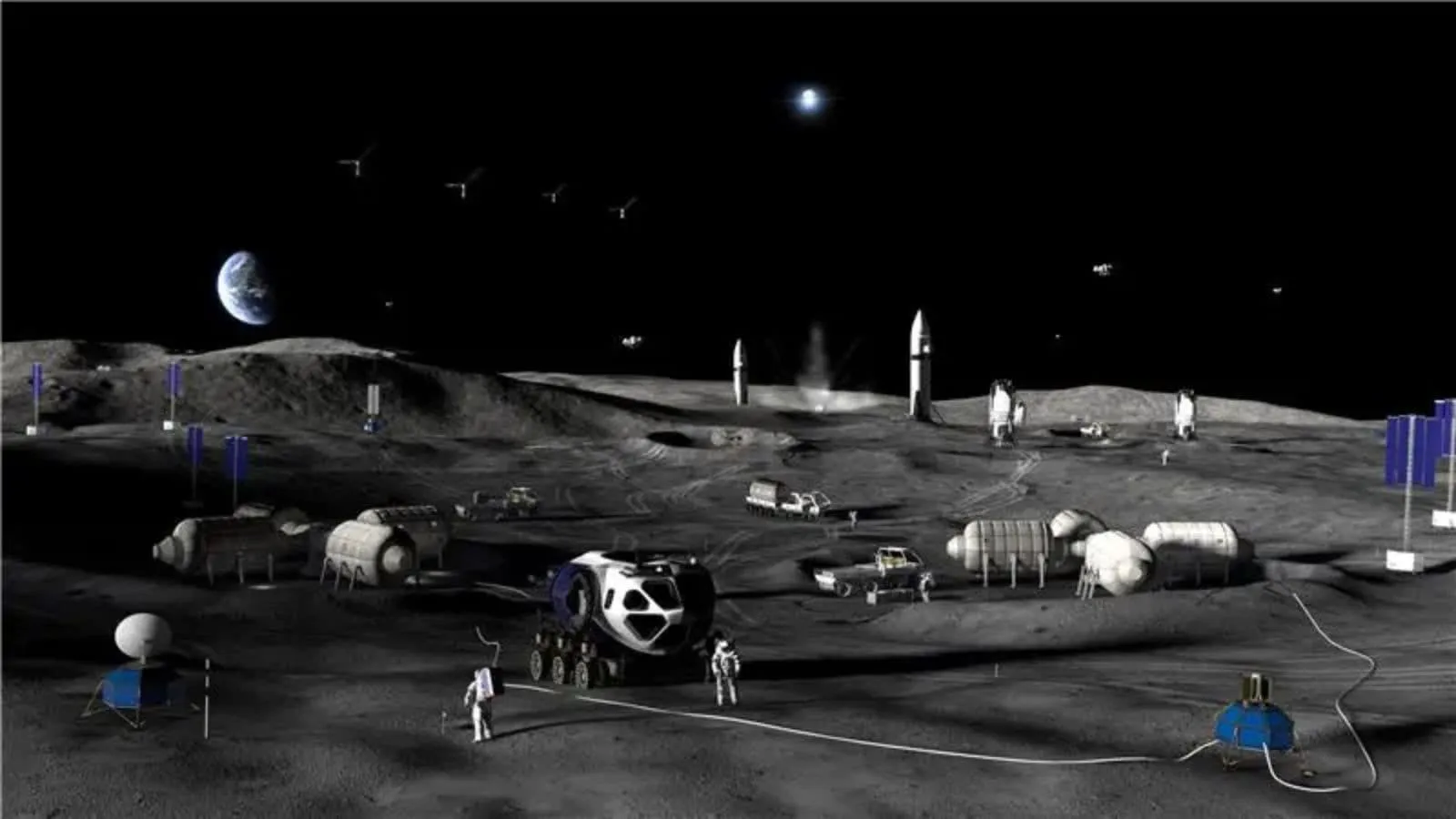
NASA plans an ambitious lunar program involving 73 landings to establish a permanent moon base by 2032, outlined in its 'Moon Base User's Guide'. The effort includes phased missions with increasing complexity, starting with robotic landings and progressing to crewed missions by 2028. Meanwhile, a new space race intensifies as the US and China compete for lunar dominance and governance, with China targeting a crewed landing by 2030 and India aiming for 2040. Private companies like SpaceX and Blue Origin are also developing lunar landers to support these goals.
Political Bias
5%93%2%
Sentiment
68%
AI Analysis
Political bias across 2 sources
● Left 5%● Center 93%● Right 2%
The articles present multiple geopolitical perspectives, highlighting the US's NASA-led lunar ambitions alongside China's competing goals and India's emerging space efforts. They frame the lunar missions within a broader context of international rivalry and governance debates, reflecting a balanced view of national interests without favoring any side.
Sentiment — Positive (68/100)
The coverage maintains a largely neutral and informative tone, emphasizing the technical challenges and strategic ambitions of lunar exploration. While acknowledging competitive dynamics, the articles focus on progress and plans rather than emotional or sensational language, resulting in a measured and factual sentiment.
How 2 sources covered this story
Each source's own headline, political lean, and sentiment — so you can see framing differences at a glance.
| Source | Their headline | Bias | Sentiment |
|---|---|---|---|
| economictimes | Race to the Moon: Power, politics and the new space order | Center | Neutral |
| indianexpress | 73 landings to a permanent home: Nasa unveils 'Moon Base User's Guide' | Center | Positive |
Coverage timeline
indianexpress broke this story on 16 Apr, 12:39 pm. Other outlets followed.
- 1indianexpress16 Apr, 12:39 pm73 landings to a permanent home: Nasa unveils 'Moon Base User's Guide'
- 2economictimes17 Apr, 07:04 amRace to the Moon: Power, politics and the new space order
Lens Score breakdown
29/100
Public interest0/100
Coverage gap100%
Well-covered story — coverage matches public importance.
Who's involved
Institutions and figures named across source coverage.
Government
Indian Space Research OrganisationUnited NationsNASAChinese Human Spaceflight Agency
Corporate
Blue OriginSpaceX
Story context
- Category
- Tech
- Location
- China
- Sources analysed
- 2
- Last analysed
- 17 Apr 2026
- Key entities
- NASAMoonArtemis 2Human spaceflightSpacecraftAstronautArtemis programChinaMoonbaseRobotSpace explorationFlyby (spaceflight)
Related Coverage
Select a news story to see related coverage from other media outlets.