29 minutes agoTech
28LENS
3 SourcesUnited States
 thebalanced.news
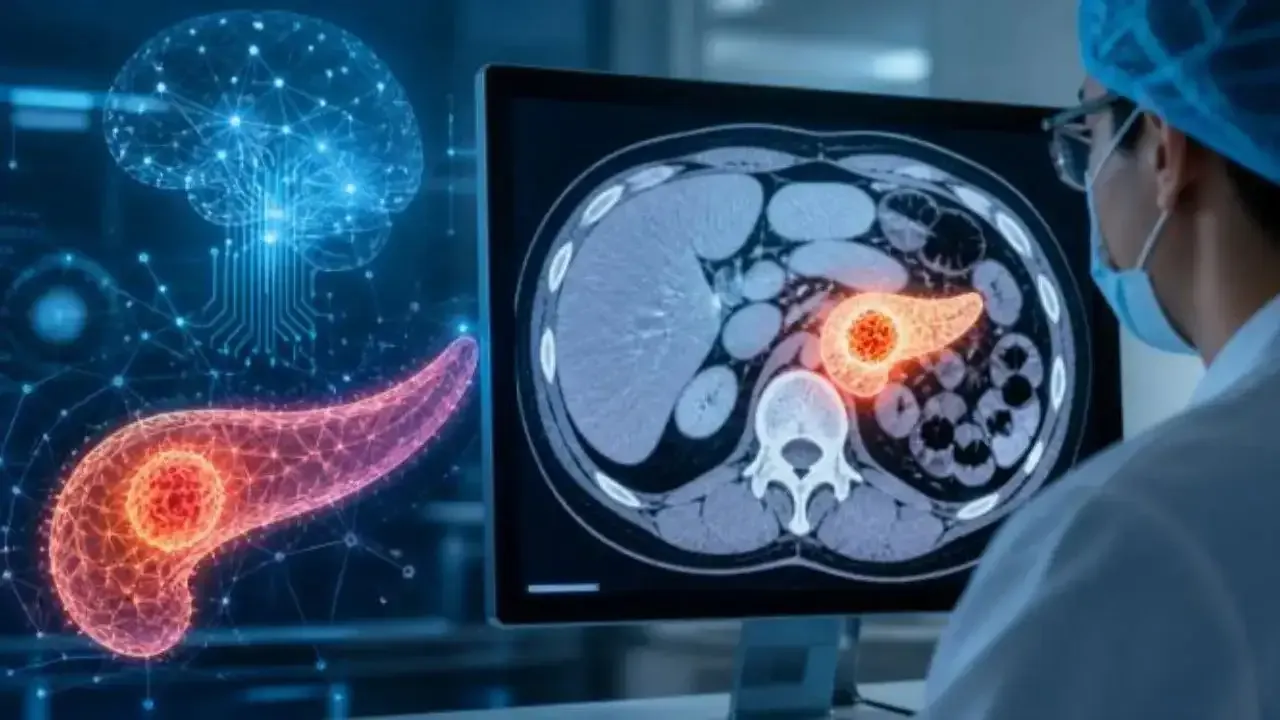
AI System Detects Pancreatic Cancer Up to Three Years Before Diagnosis
Researchers at the Mayo Clinic and University of Texas MD Anderson Cancer Center have developed an AI system called REDMOD that can detect pancreatic cancer up to three years before traditional diagnosis by analyzing CT scans for subtle tissue changes. Tested on nearly 1,000 scans, REDMOD identified early signs in about 75% of cases, outperforming specialists. While it flagged some healthy individuals for further testing, this tool offers potential for earlier intervention in a cancer often diagnosed late and with high mortality.
Political Bias
0%100%0%
Sentiment
75%
AI Analysis
Political bias across 3 sources
● Left 0%● Center 100%● Right 0%
The articles present a scientific and medical development without evident political framing. Both sources focus on the technological advancement and its potential health benefits, emphasizing research institutions and clinical findings. There is no partisan or ideological perspective; coverage centers on innovation in cancer detection and healthcare implications.
Sentiment — Positive (75/100)
The overall tone is cautiously optimistic, highlighting the promise of AI in improving early detection of a deadly cancer. While acknowledging limitations such as false positives, the coverage emphasizes potential benefits for patient outcomes. The sentiment is positive regarding technological progress but measured in recognizing challenges ahead.
How 3 sources covered this story
Each source's own headline, political lean, and sentiment — so you can see framing differences at a glance.
| Source | Their headline | Bias | Sentiment |
|---|---|---|---|
| freepressjournal | New Study Reveals AI Detects Pancreatic Cancer Much Earlier Than Humans: Know More | Center | Positive |
| timesnow | AI Breakthrough Could Detect Pancreatic Cancer 3 Years Early, Before Symptoms Even Begin | Center | Positive |
| ndtv | AI System Detects Pancreatic Cancer Years Before Doctors Can, Study Shows | Center | Positive |
Coverage timeline
ndtv broke this story on 2 May, 02:30 am. Other outlets followed.
- 1ndtv2 May, 02:30 amAI System Detects Pancreatic Cancer Years Before Doctors Can, Study Shows
- 2timesnow2 May, 05:18 amAI Breakthrough Could Detect Pancreatic Cancer 3 Years Early, Before Symptoms Even Begin
- 3freepressjournal2 May, 07:14 amNew Study Reveals AI Detects Pancreatic Cancer Much Earlier Than Humans: Know More
Lens Score breakdown
28/100
Public interest0/100
Coverage gap100%
Well-covered story — coverage matches public importance.
Story context
- Category
- Tech
- Location
- United States
- Sources analysed
- 3
- Last analysed
- 2 May 2026
- Key entities
- Artificial intelligenceCancerUnited StatesCT scanDiagnosisPancreatic cancerMD Anderson Cancer CenterMayo ClinicTissue (biology)RadiologyPancreasMedical imaging
Related Coverage
Select a news story to see related coverage from other media outlets.