1 hour agoTech
32LENS
5 SourcesNew Delhi, India
 thebalanced.news
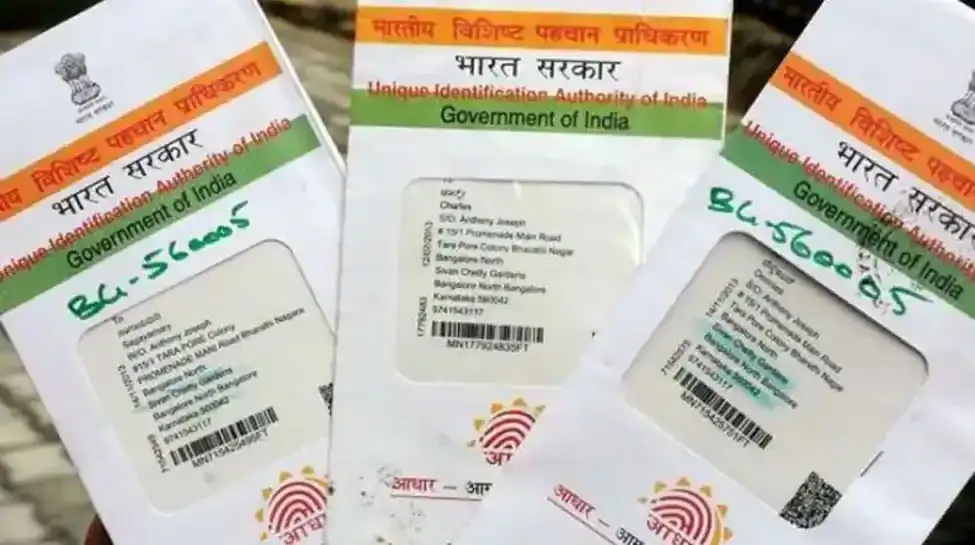
UIDAI Onboards 100 Entities for Aadhaar-Based Offline Verification System
Within three months of rollout, over 100 entities have been onboarded as Offline Verification Seeking Entities (OVSEs) by UIDAI to use Aadhaar-based offline verification. These entities include government departments, fintech firms, hospitality, education, and verification agencies. The system enables secure, consent-driven identity verification via QR codes and digitally signed documents without real-time database access, aiming to streamline services, reduce paperwork, and enhance user privacy and control over data.
Political Bias
2%96%2%
Sentiment
73%
AI Analysis
Political bias across 5 sources
● Left 2%● Center 96%● Right 2%
The articles primarily present a government-led initiative focusing on technological and administrative advancements without partisan framing. Coverage highlights official statements and technical details, reflecting a neutral stance emphasizing privacy and efficiency. There is no evident political critique or opposition perspective, as the sources focus on the rollout and benefits of the Aadhaar offline verification system.
Sentiment — Positive (73/100)
The overall tone across the articles is positive, emphasizing progress, user empowerment, and improved service delivery. The language underscores benefits such as reduced paperwork, enhanced privacy, and streamlined processes. There is no significant negative or critical sentiment, with coverage portraying the initiative as a constructive development in digital identity verification.
How 2 sources covered this story
Each source's own headline, political lean, and sentiment — so you can see framing differences at a glance.
| Source | Their headline | Bias | Sentiment |
|---|---|---|---|
| zeenews | 100 entities onboard to use Aadhaar-based offline verification: Govt | Center | Positive |
| news18 | 100 entities onboard to use Aadhaar-based offline verification | Center | Positive |
Coverage timeline
news18 broke this story on 20 Apr, 11:36 am. Other outlets followed.
- 1news1820 Apr, 11:36 am100 entities onboard to use Aadhaar-based offline verification
- 2zeenews20 Apr, 11:38 am100 entities onboard to use Aadhaar-based offline verification: Govt
Lens Score breakdown
32/100
Public interest0/100
Coverage gap100%
Well-covered story — coverage matches public importance.
Who's involved
Institutions and figures named across source coverage.
Government
Ministry of Electronics ITUnique Identification Authority of IndiaMinistry of Electronics and IT
Story context
- Category
- Tech
- Location
- New Delhi, India
- Sources analysed
- 5
- Last analysed
- 20 Apr 2026
- Key entities
- AadhaarHospitality industryDigital signatureQR codeNew DelhiFintechReal-time computingPrivacyIndiaInformation technologyElectronicsScalability
Related Coverage
Select a news story to see related coverage from other media outlets.