3 hours agoTech
25LENS
2 SourcesMassachusetts, United States
 thebalanced.news
Harvard Study Finds OpenAI o1 Model Outperforms Doctors in Emergency Diagnoses
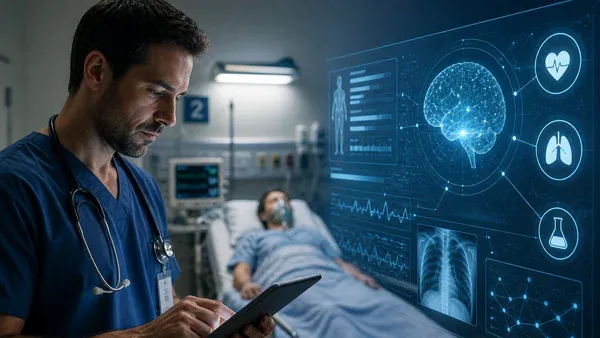
A recent Harvard study published in Science found that OpenAI's advanced o1 language model outperformed human doctors in emergency room diagnoses and clinical management tasks. The AI showed higher accuracy than physicians in triage, evaluation, and hospital admission stages, particularly excelling in handling uncertain or incomplete information. While the AI demonstrated strong diagnostic and treatment planning capabilities, researchers noted that real-world medical practice involves factors beyond text-based reasoning, highlighting the need for cautious integration of AI tools in clinical settings.
Political Bias
0%100%0%
Sentiment
72%
AI Analysis
Political bias across 2 sources
● Left 0%● Center 100%● Right 0%
The article group presents a largely neutral perspective focused on scientific findings without evident political framing. Both sources emphasize the technological advancement of AI in healthcare, highlighting its potential benefits and limitations. The coverage includes viewpoints from researchers and medical professionals, maintaining a balanced presentation without partisan or ideological bias.
Sentiment — Positive (72/100)
The overall tone across the articles is cautiously optimistic, recognizing the AI's superior diagnostic performance while acknowledging the complexities of real-world medical practice. The sentiment balances enthusiasm for technological progress with prudent consideration of AI's current limitations, resulting in a measured and informative narrative.
How 2 sources covered this story
Each source's own headline, political lean, and sentiment — so you can see framing differences at a glance.
| Source | Their headline | Bias | Sentiment |
|---|---|---|---|
| firstpost | Study finds OpenAI o1 model outperforms doctors in emergency diagnosis | Center | Positive |
| mint | AI is now outperforming human doctors in the emergency room diagnoses, new Harvard study reveals Mint | Center | Positive |
Coverage timeline
mint broke this story on 4 May, 02:46 am. Other outlets followed.
- 1mint4 May, 02:46 amAI is now outperforming human doctors in the emergency room diagnoses, new Harvard study reveals Mint
- 2firstpost4 May, 02:52 amStudy finds OpenAI o1 model outperforms doctors in emergency diagnosis
Lens Score breakdown
25/100
Public interest0/100
Coverage gap100%
Well-covered story — coverage matches public importance.
Who's involved
Institutions and figures named across source coverage.
Corporate
OpenAI
Story context
- Category
- Tech
- Location
- Massachusetts, United States
- Sources analysed
- 2
- Last analysed
- 4 May 2026
- Key entities
- OpenAIArtificial intelligenceEmergency departmentPhysicianTriageClinical trialMedicineHarvard UniversityMint (newspaper)AntibioticIntensive care unitMedical diagnosis
Related Coverage
Select a news story to see related coverage from other media outlets.